Japanese road signs, road markings, and traffic signals grouped by category — regulatory, indication, warning, and more. Each entry gives the meaning plus the distinction test-takers confuse (e.g. No Stopping vs No Parking, Slow Down vs Stop) for the written and foreign-license-conversion exams.


Categories
Regulatory signs
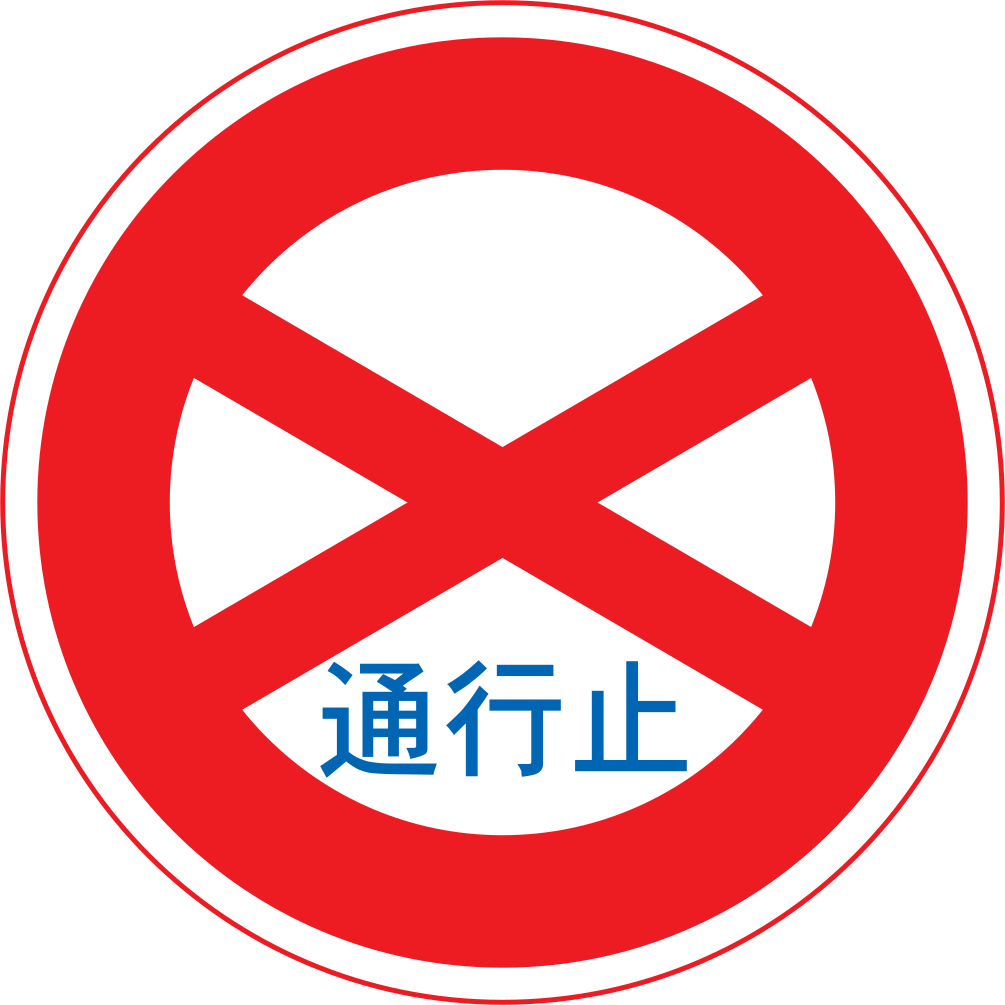
Road Closed
通行止め · 301
No one may pass — pedestrians, vehicles, and trams alike. Broader than 'No Vehicles' (302): even people on foot are barred.
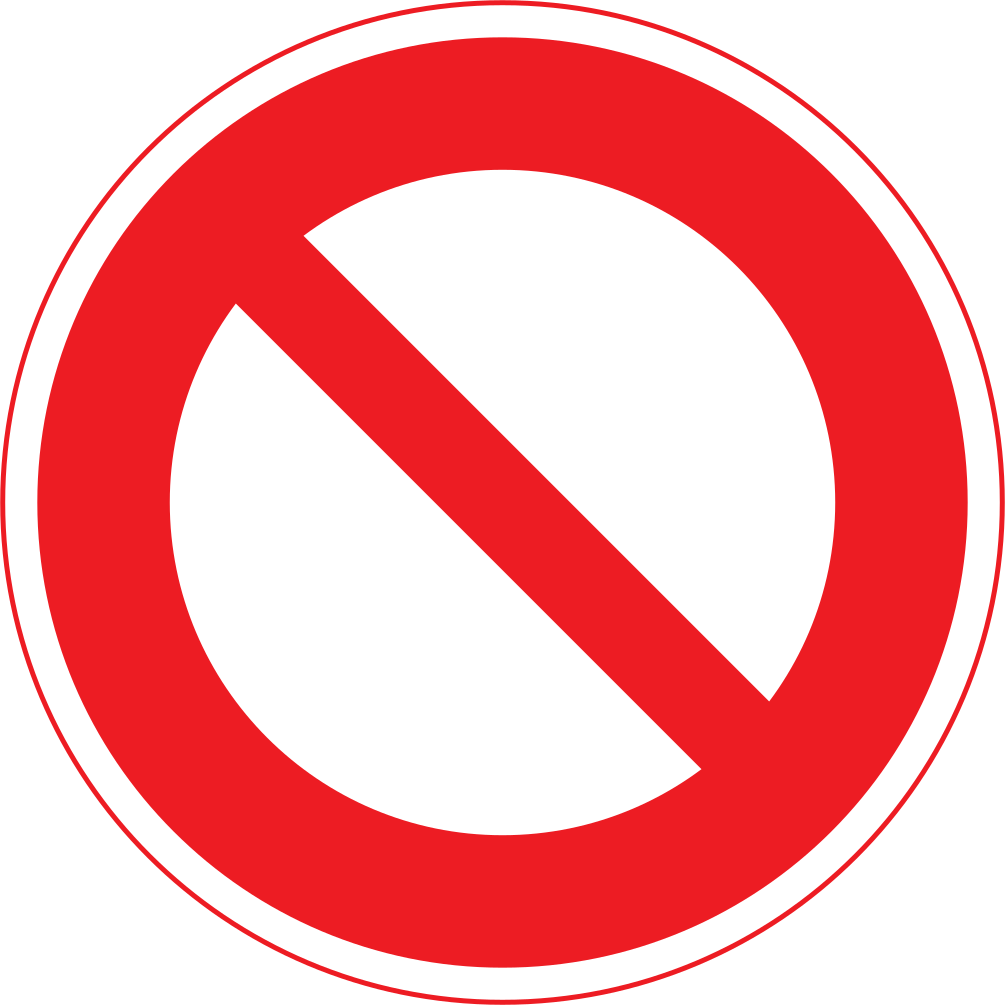
No Vehicles
車両通行止め · 302
No vehicles (cars, mopeds, light vehicles) may pass, but pedestrians may. The exam contrasts it with 'Road Closed' (301), which stops everyone.
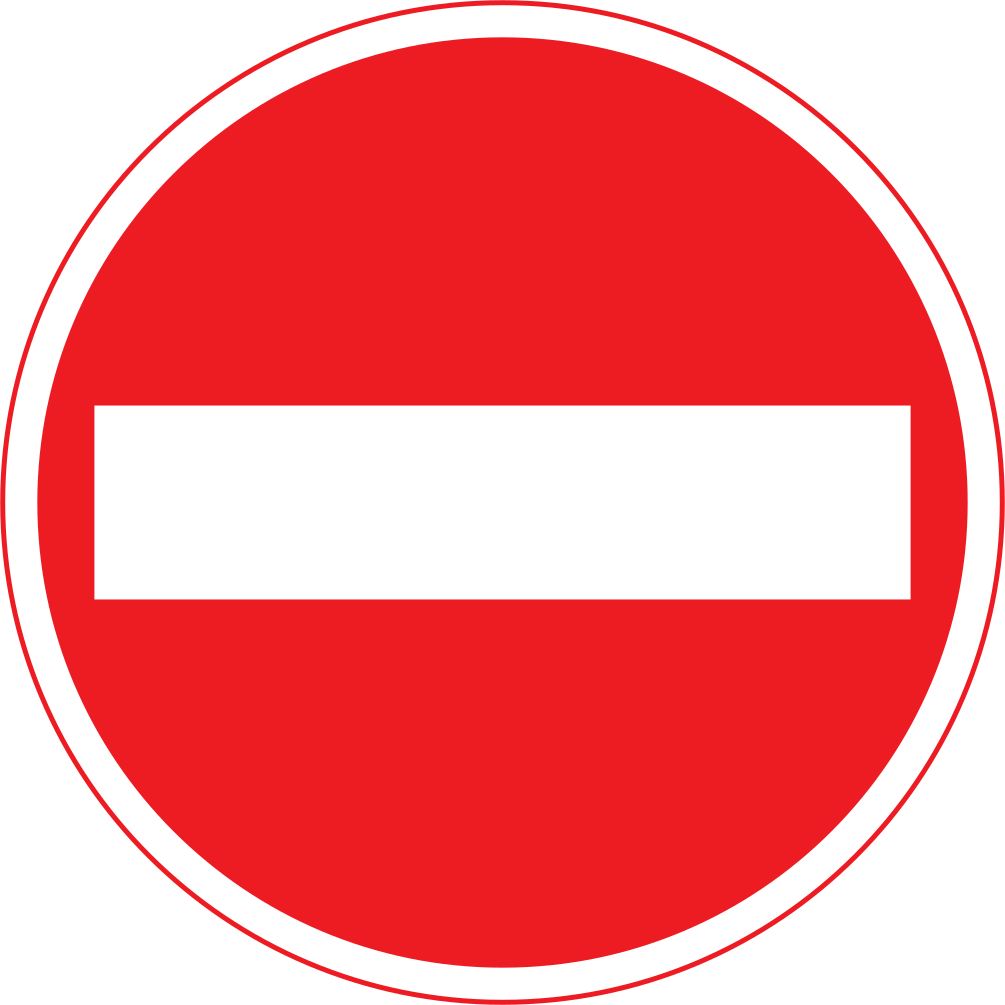
Do Not Enter
車両進入禁止 · 303
Do not enter from this direction. It stands at the exit of a one-way street — the entrance side shows the 'One Way' sign.
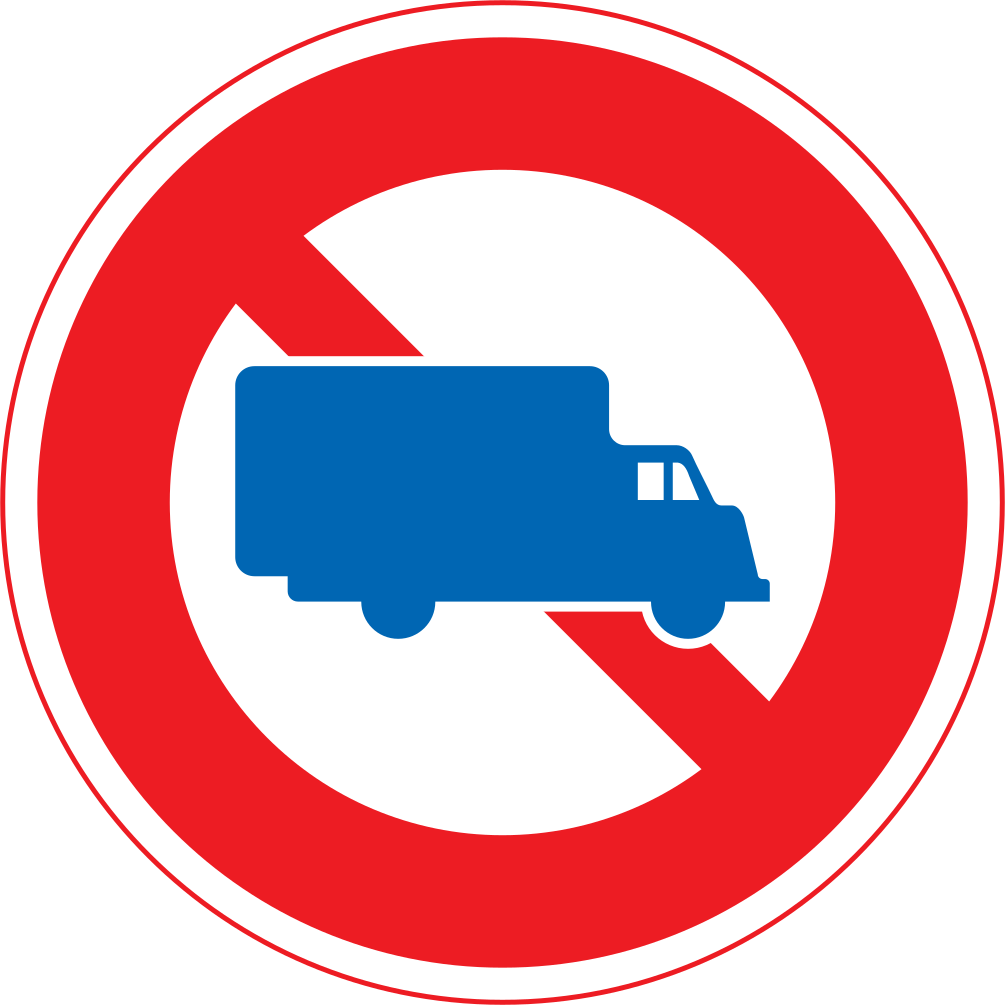
No Large Freight Vehicles
大型貨物自動車等通行止め · 305
Large (and specified medium) trucks may not pass. Different target from 'No Large Passenger Vehicles' (306), which bans big buses.
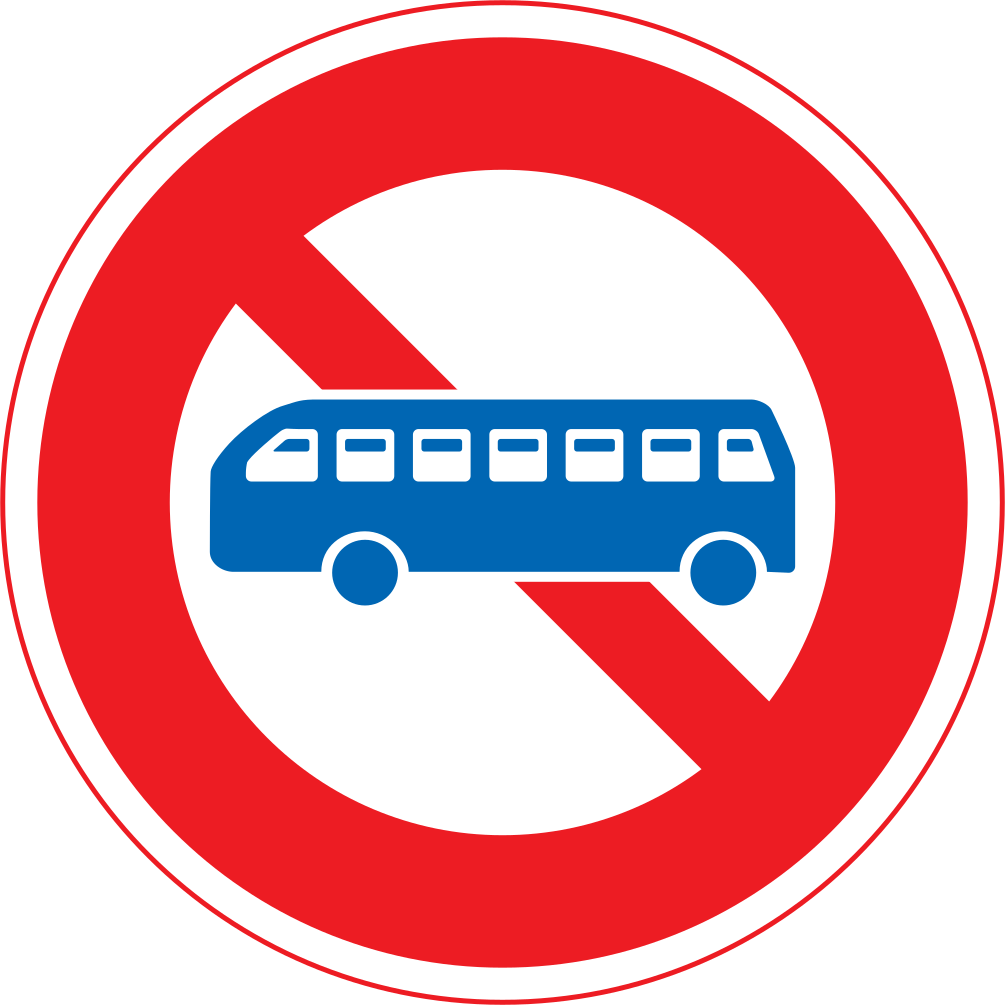
No Large Passenger Vehicles
大型乗用自動車等通行止め · 306
Large passenger vehicles such as big buses may not pass. Pairs with 'No Large Freight Vehicles' (305), which targets trucks.
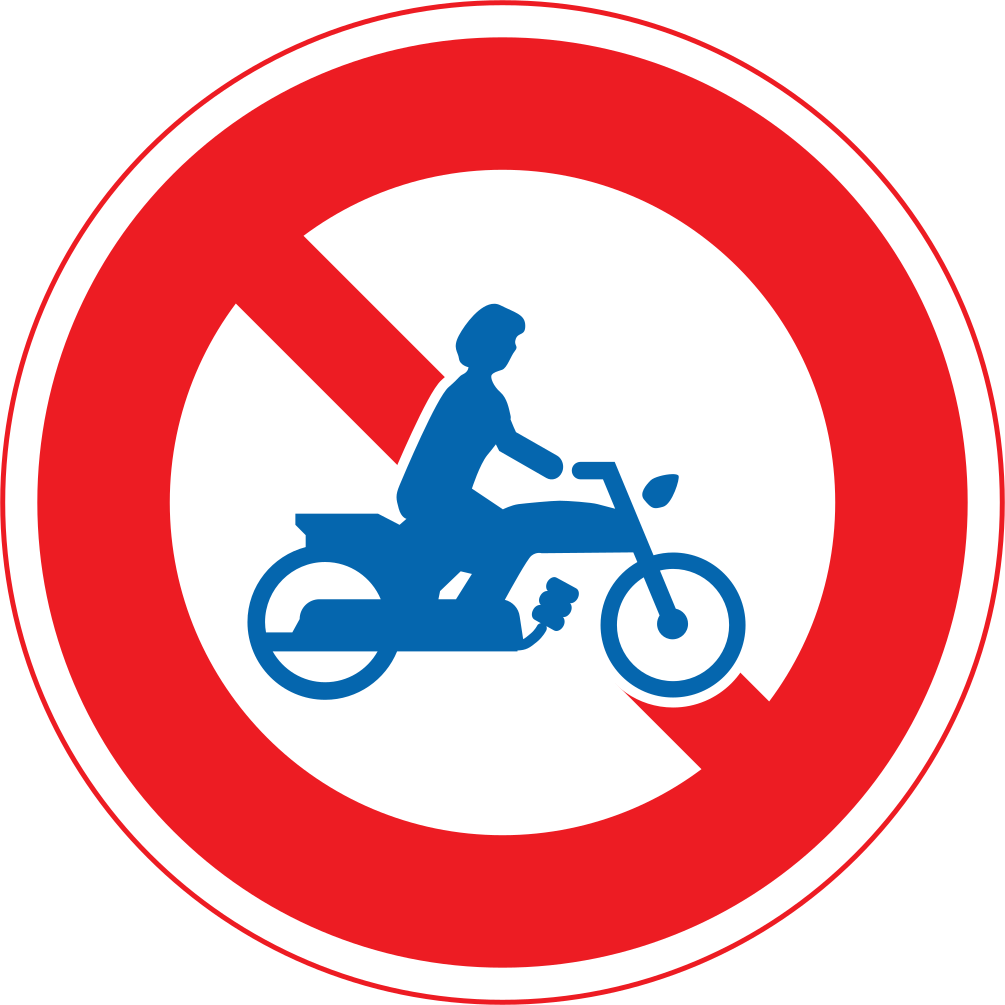
No Motorcycles or Mopeds
二輪の自動車・原動機付自転車通行止め · 307
Motorcycles and mopeds may not pass. Note that bicycles (light vehicles) are not covered and may still go through.
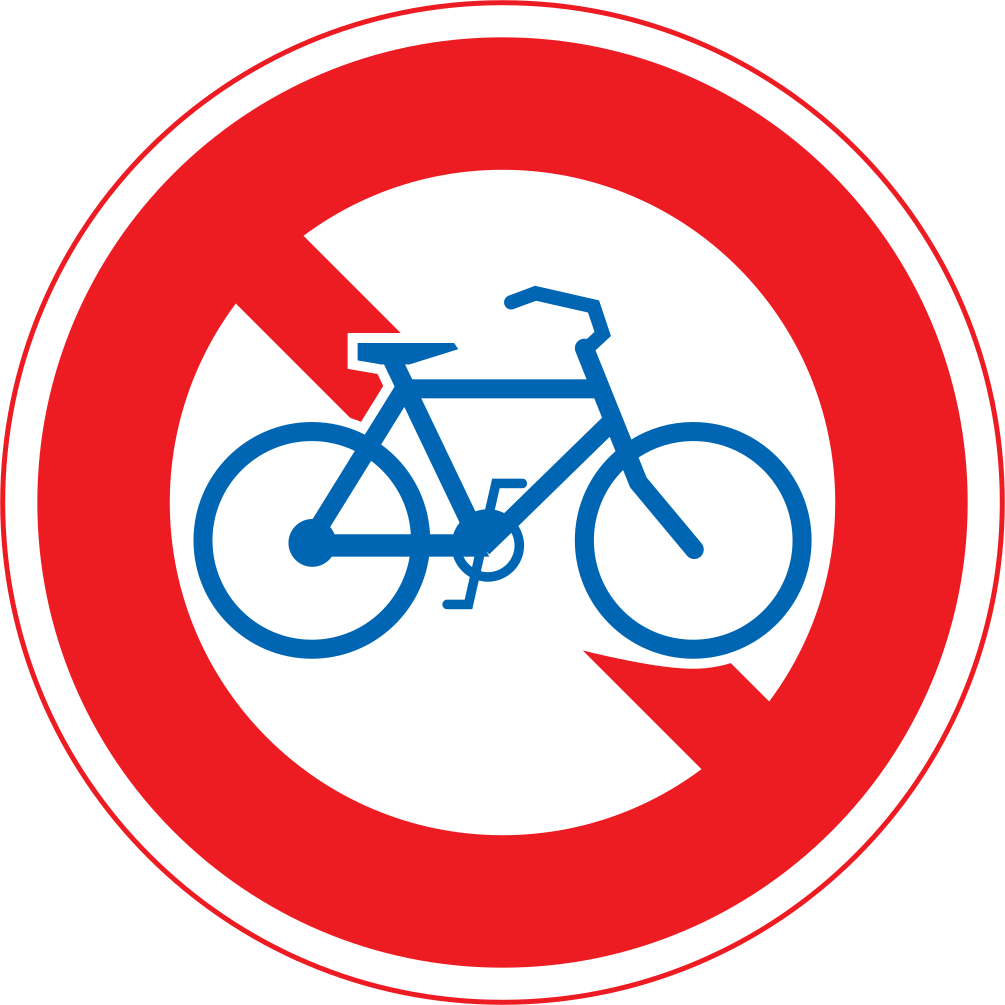
No Bicycles
自転車通行止め · 309
Bicycles may not pass. Distinct from the moped ban — this targets bicycles (light vehicles) only.
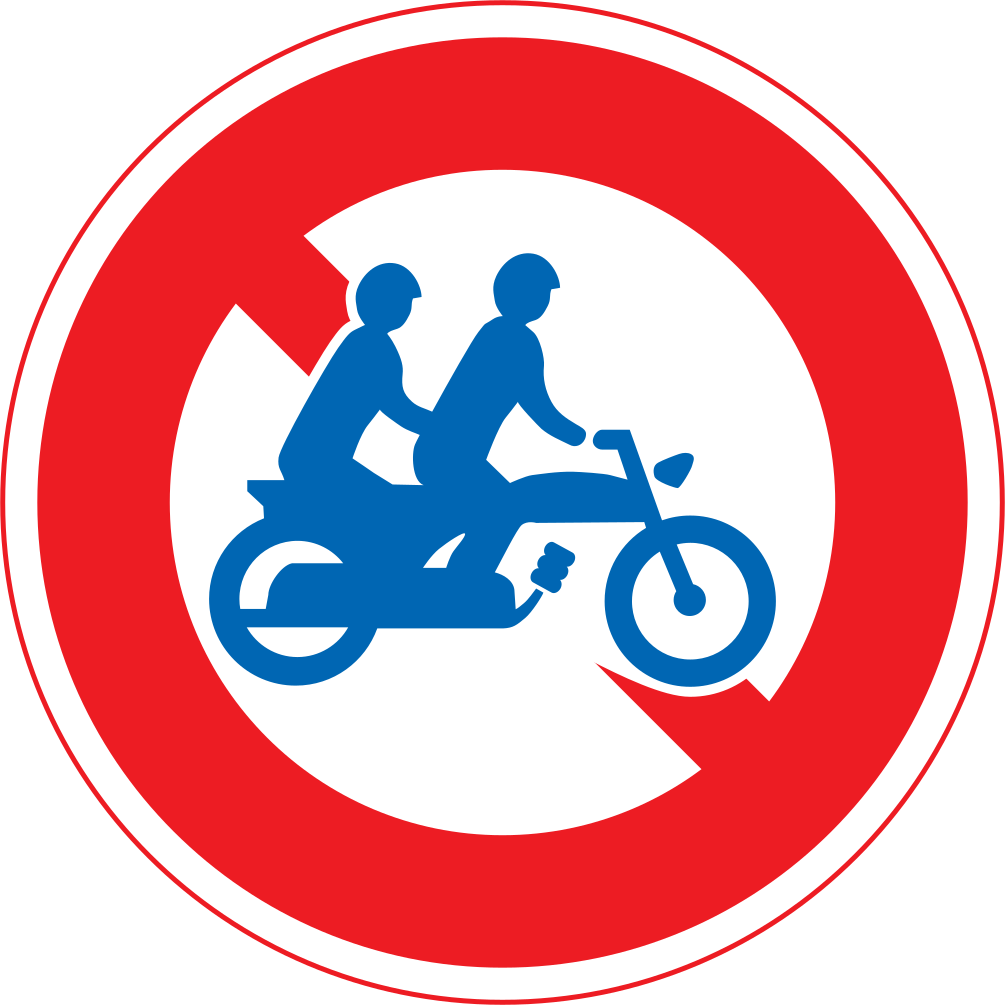
No Two-up Motorcycle Riding
大型・普通自動二輪車二人乗り通行止め · 310-2
Riding a motorcycle two-up (with a passenger) is not allowed here. Riding solo is fine.
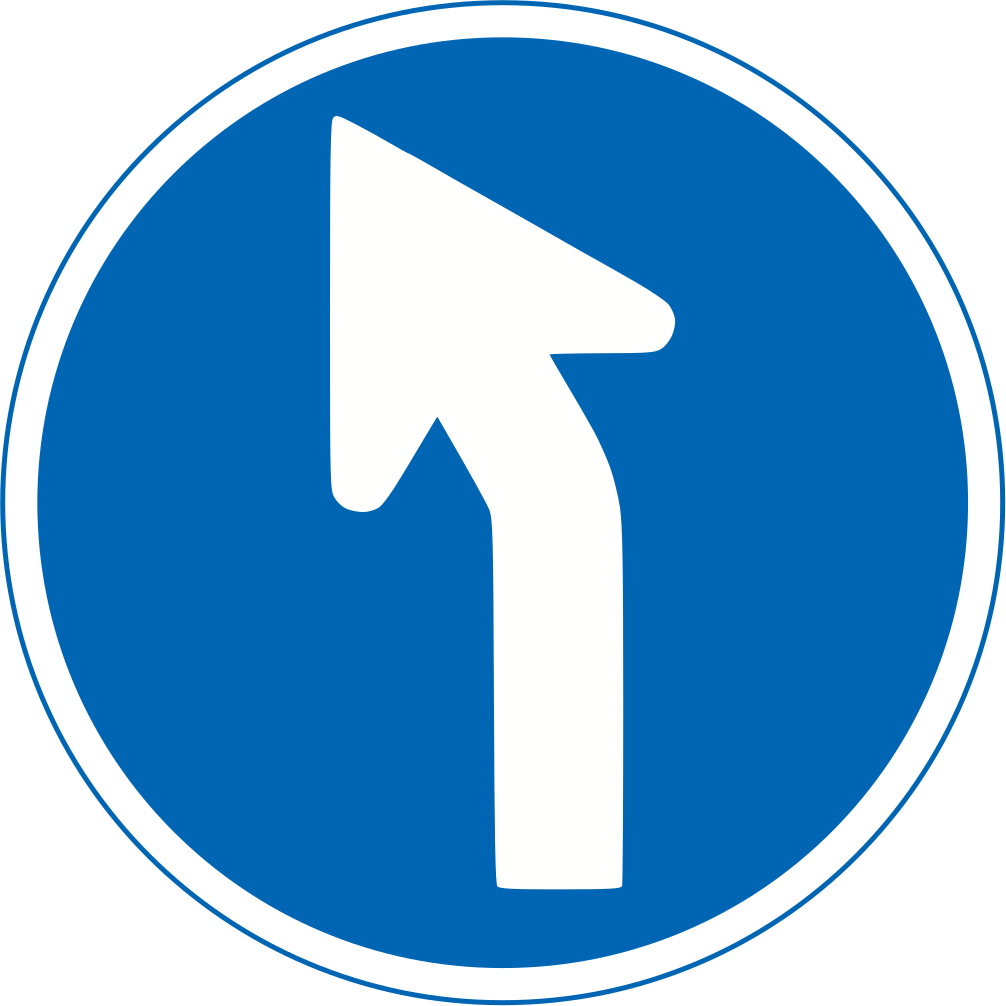
Designated Directions Only
指定方向外進行禁止 · 311
You may proceed only in the directions shown by the arrows. Common at intersections — not the same as a one-way street.
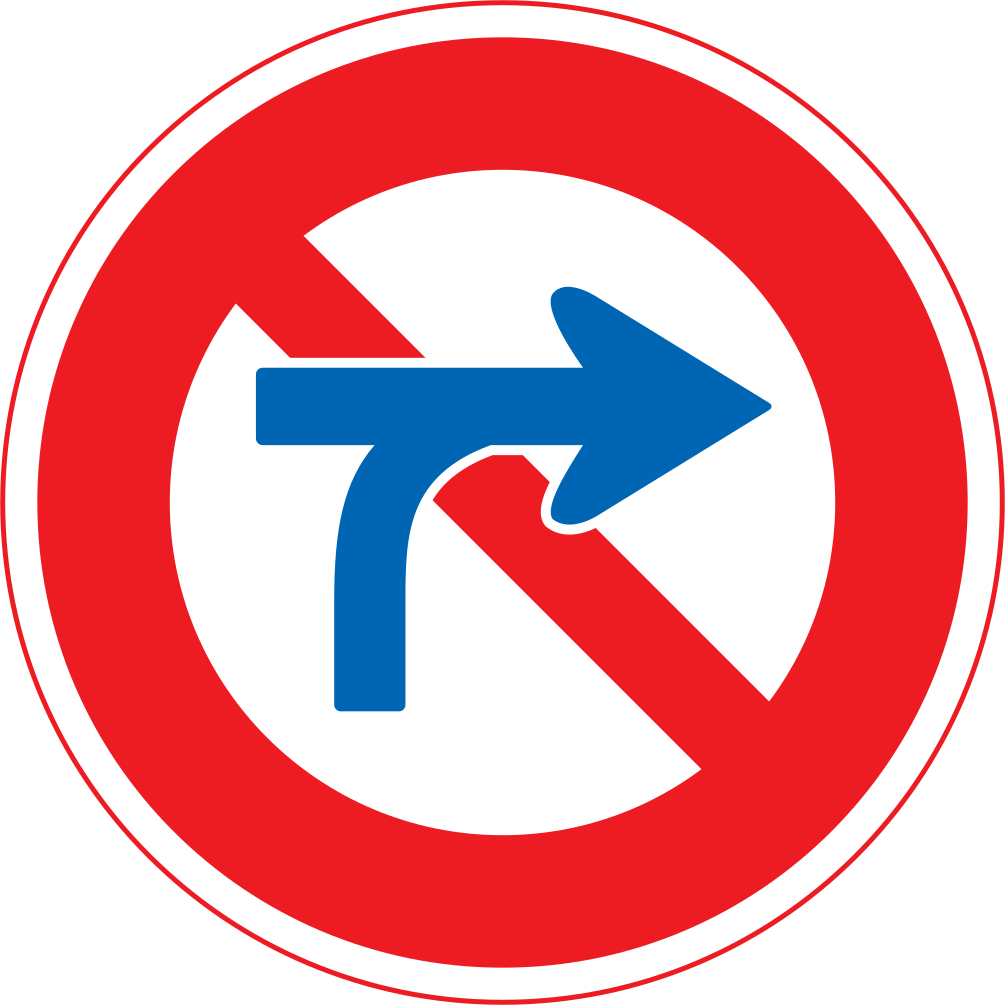
No Vehicle Crossing
車両横断禁止 · 312
You may not turn across the road to the right (e.g. into premises on the far side). Different from 'No U-turn' (313).
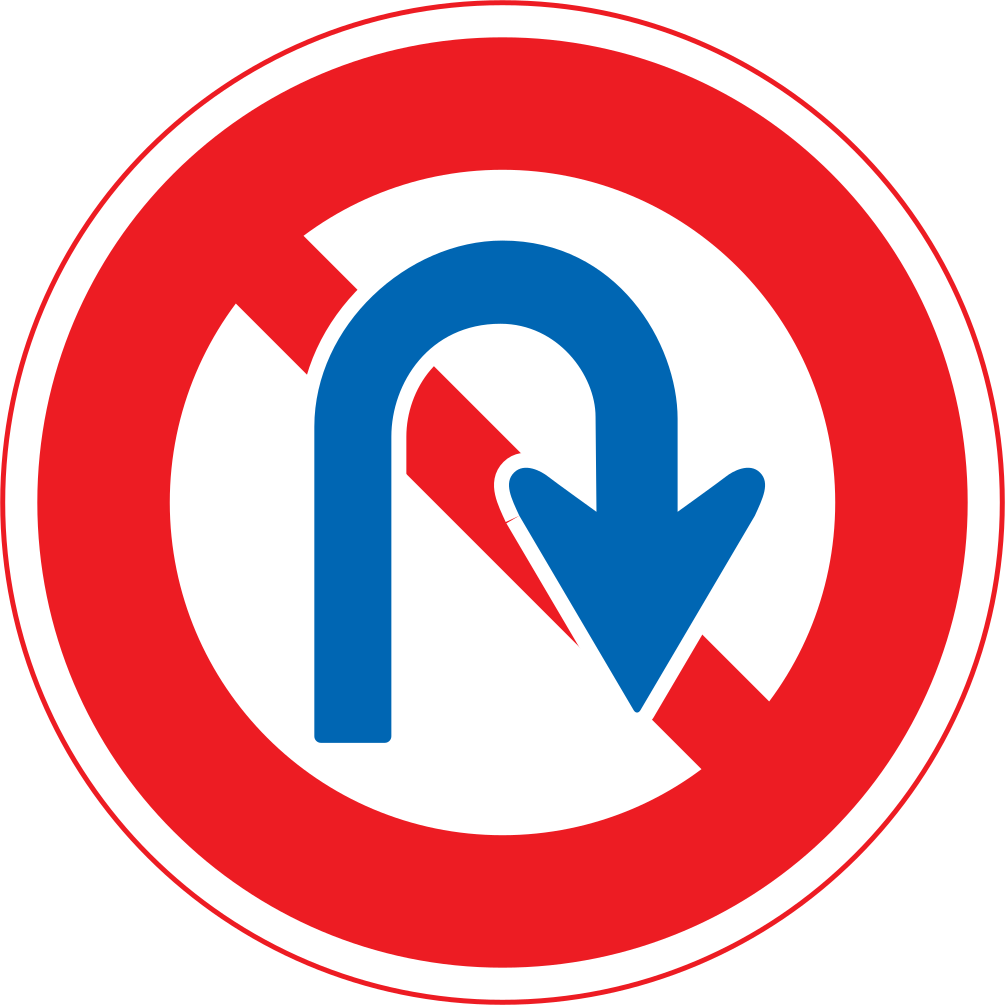
No U-turn
転回禁止 · 313
No U-turns (reversing your direction). Don't confuse it with 'No Vehicle Crossing' (312).
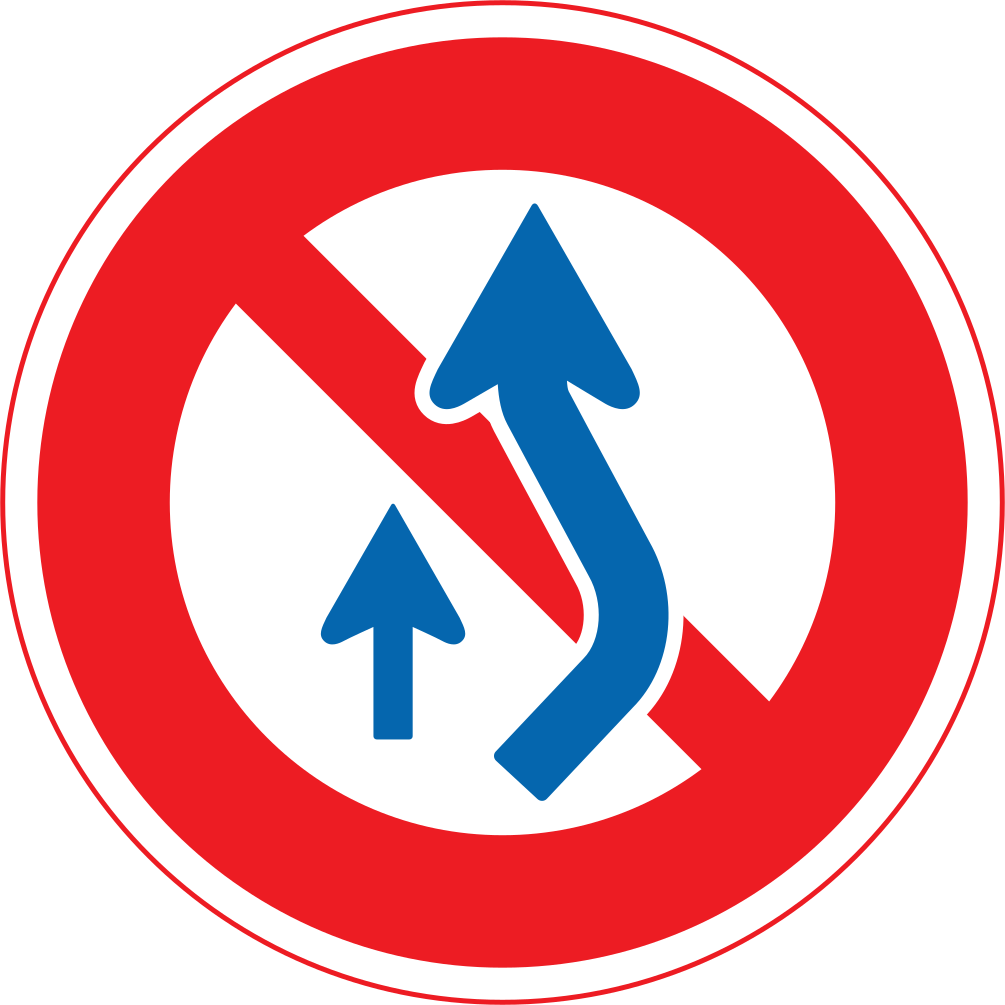
No Passing (do not cross center line)
追越しのため右側部分はみ出し通行禁止 · 314
You may not cross into the right side of the road to overtake. Unlike a full 'No Overtaking', overtaking without crossing over is still allowed.
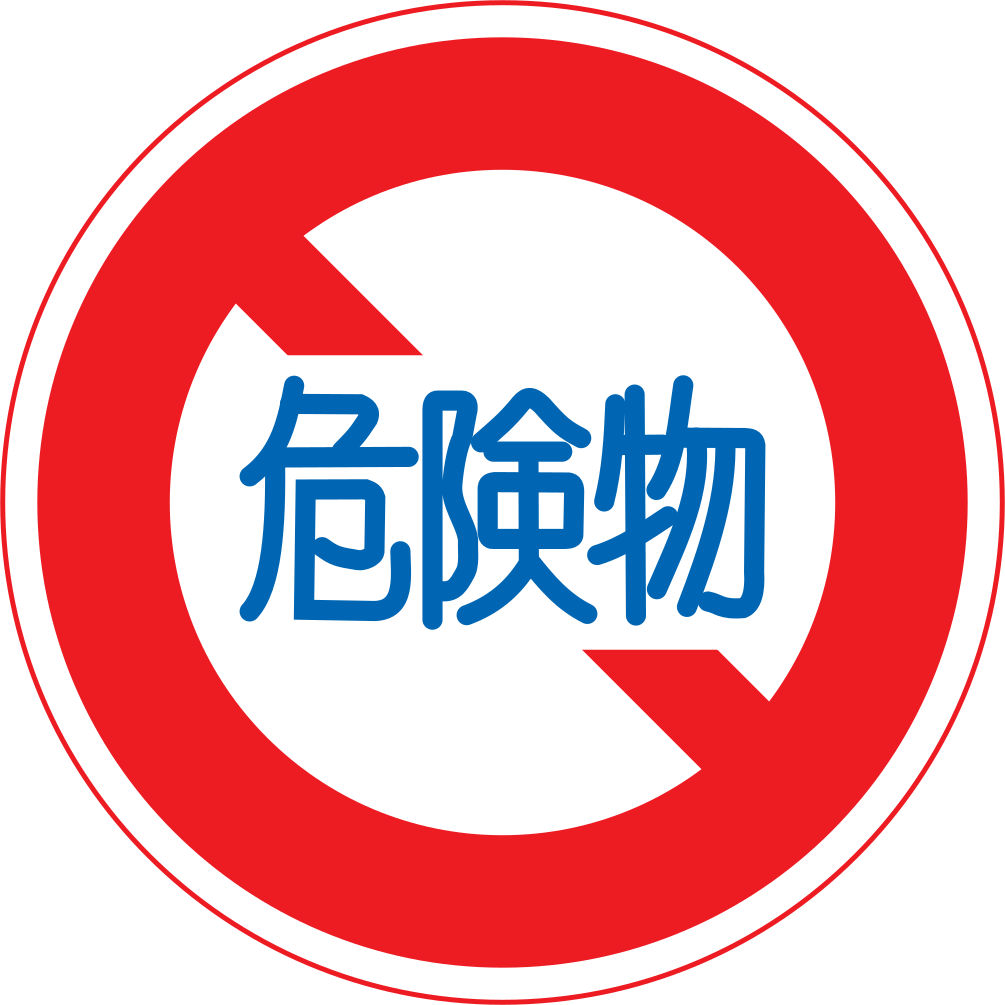
No Dangerous-Goods Vehicles
危険物積載車両通行止め · 319
Vehicles carrying dangerous goods may not pass. Often seen at tunnels.
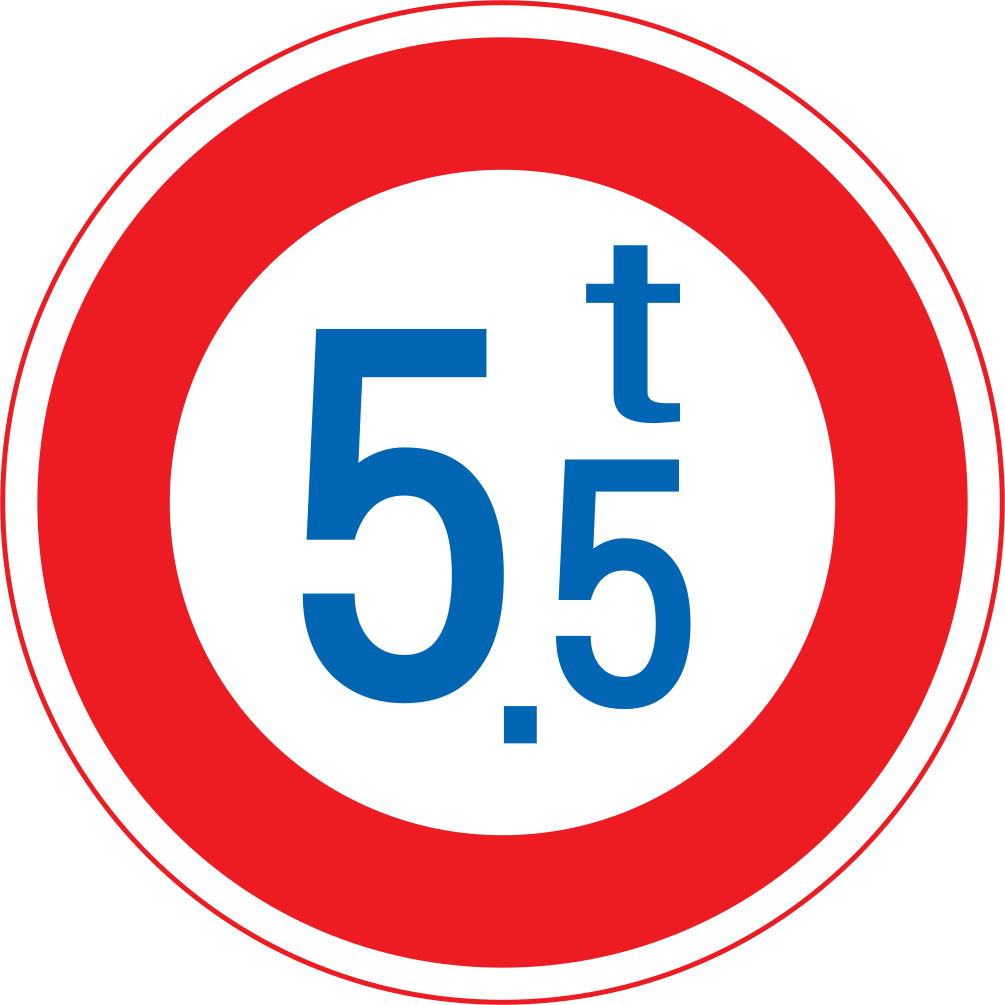
Weight Limit
重量制限 · 320
Vehicles heavier than the posted gross weight (e.g. 5.5 t) may not pass. Judged by the vehicle's weight.
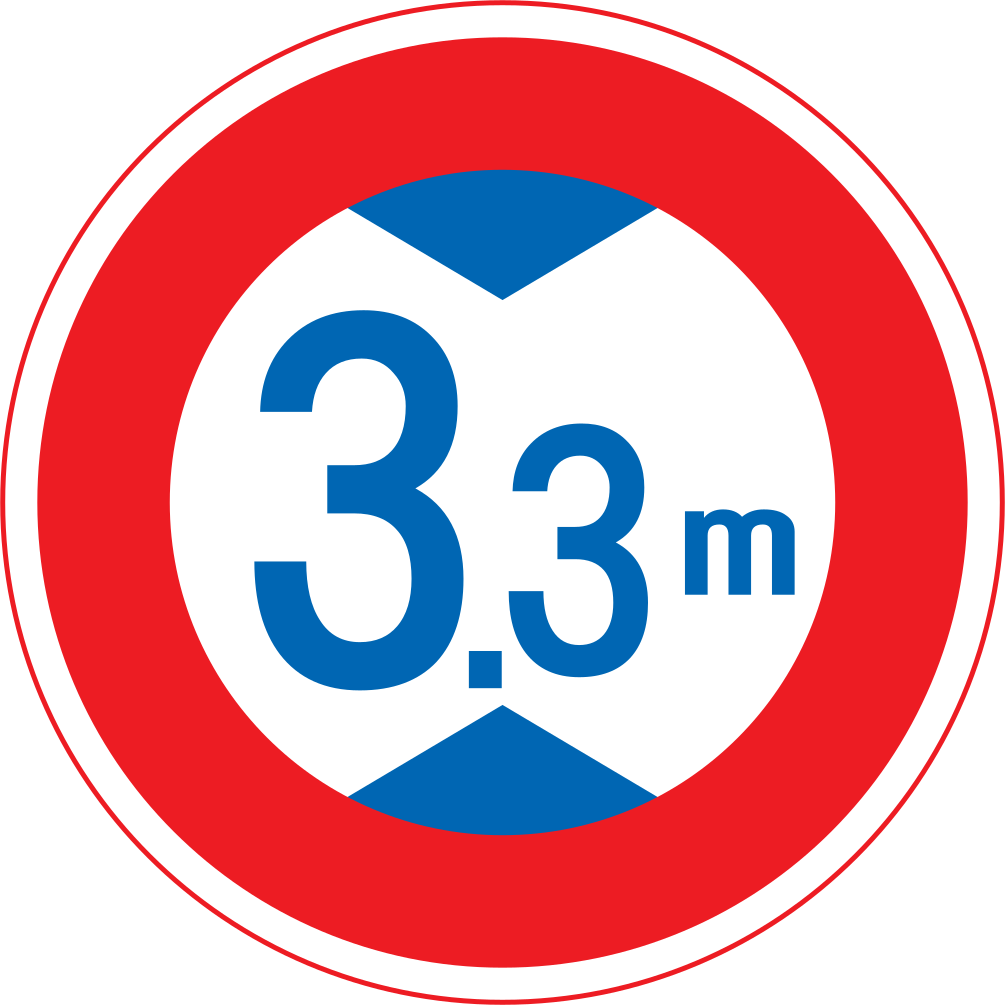
Height Limit
高さ制限 · 321
Vehicles taller than the posted height (e.g. 3.3 m), load included, may not pass.
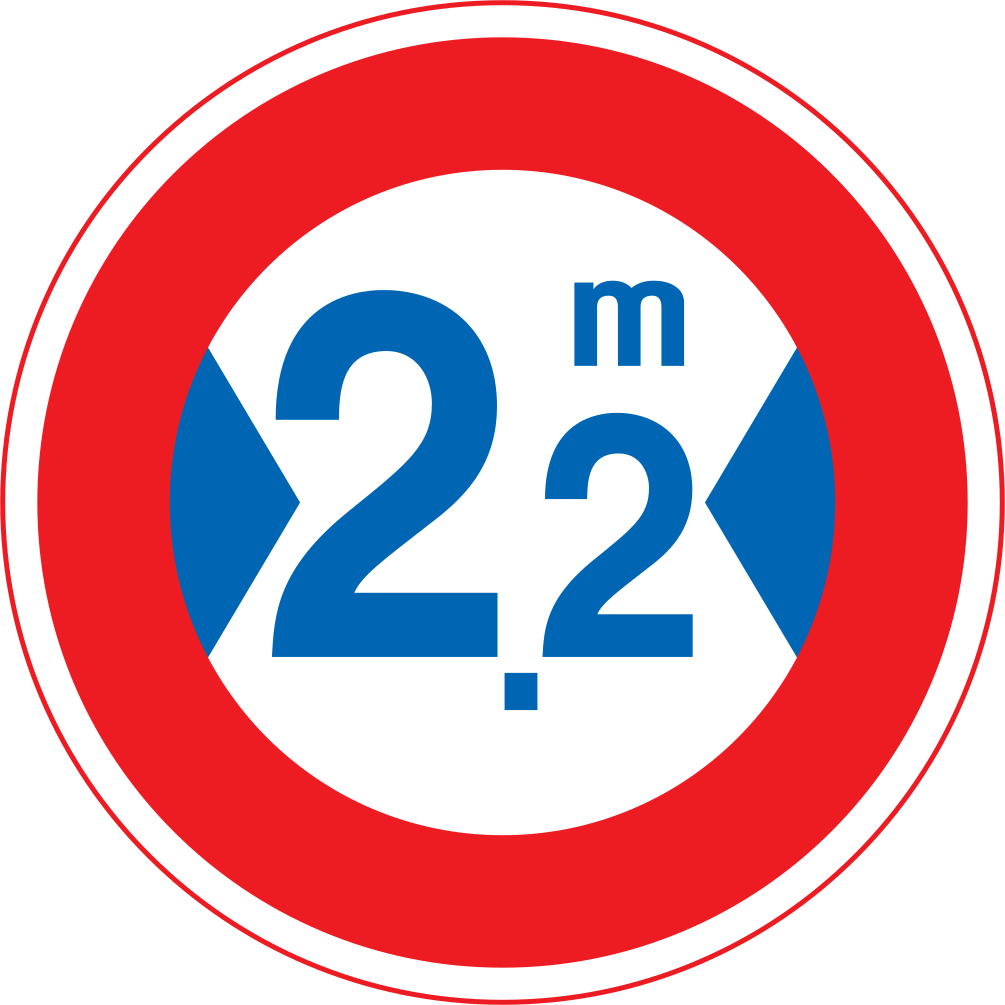
Maximum Width
最大幅 · 322
Vehicles wider than the posted width (e.g. 2.2 m) may not pass.
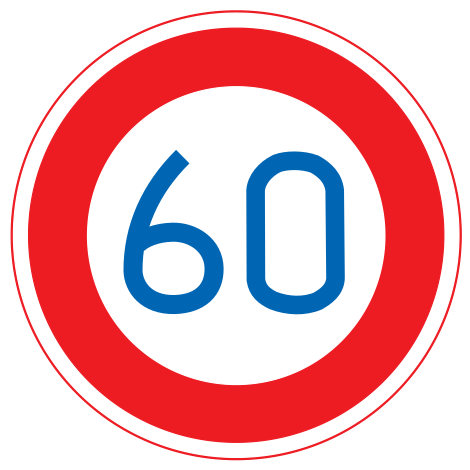
Maximum Speed
最高速度 · 323
Do not exceed the posted speed (e.g. 60 km/h). Where no sign is posted, the statutory limit applies.
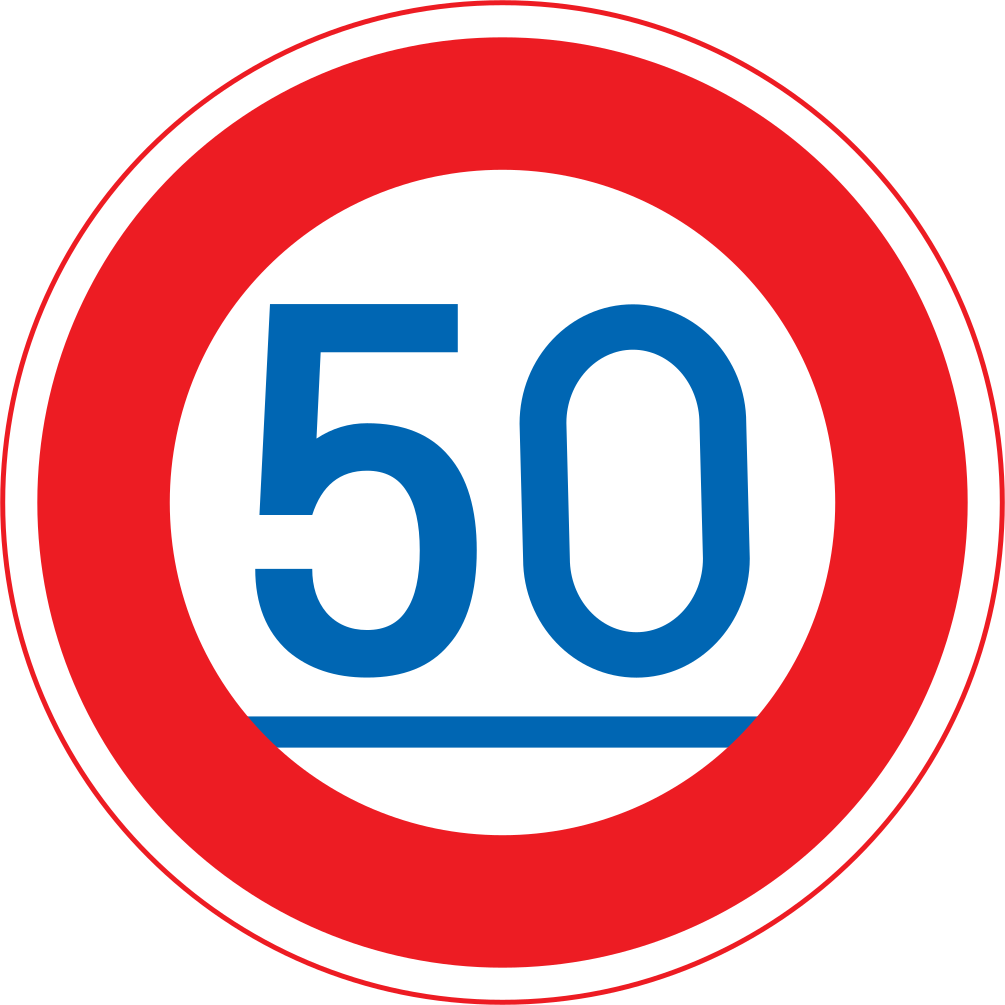
Minimum Speed
最低速度 · 324
Do not drive below the posted speed (e.g. 50 km/h). Seen on expressways and similar roads.
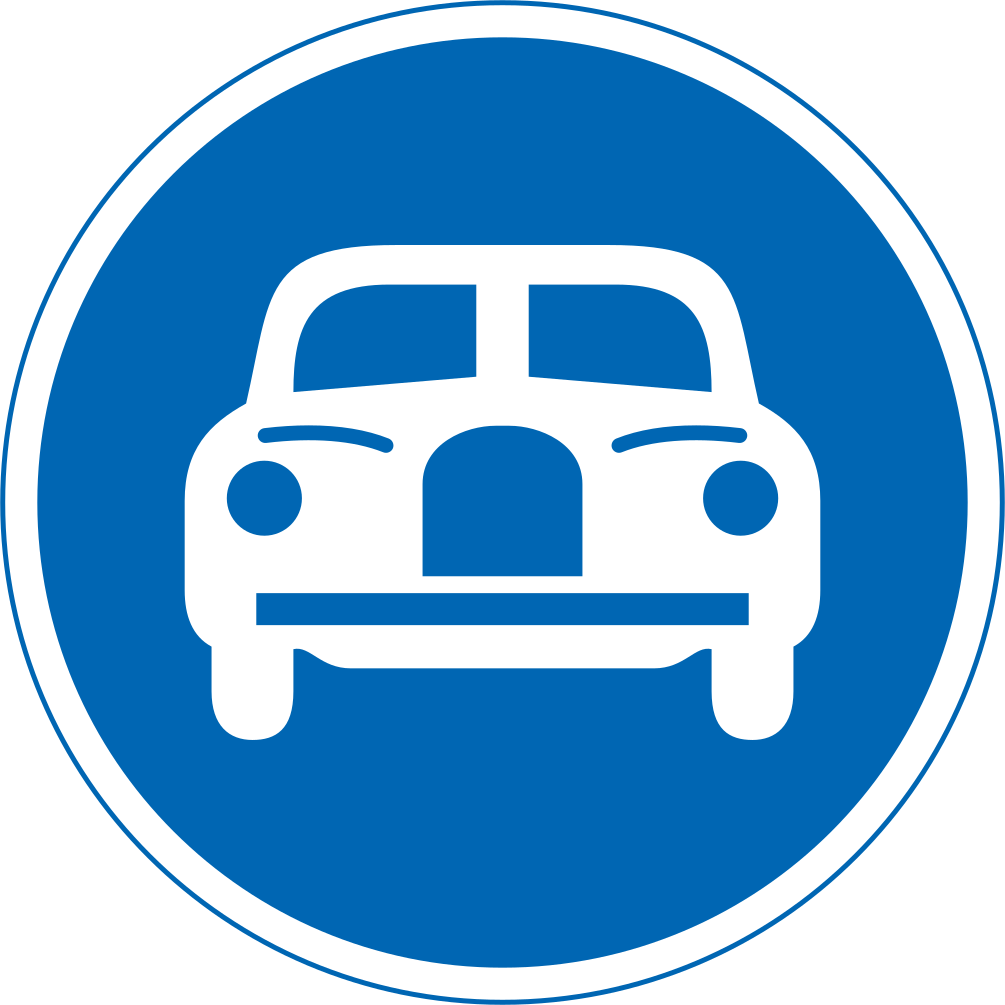
Motor Vehicles Only
自動車専用 · 325
Marks a motor-vehicle-only road. Mopeds, light vehicles, and pedestrians may not enter. Common on expressways.
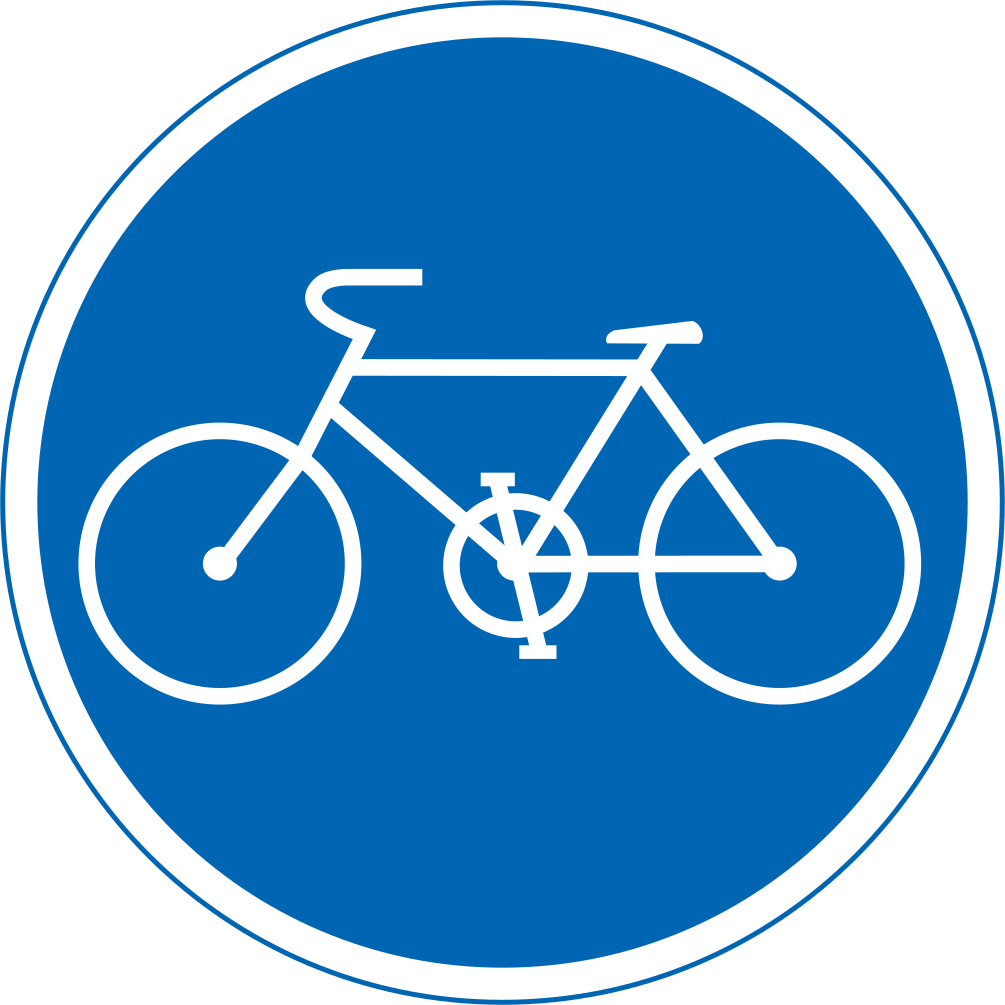
Bicycles Only
自転車専用 · 325-2
Only bicycles may use this way. Pedestrians and other vehicles may not enter.
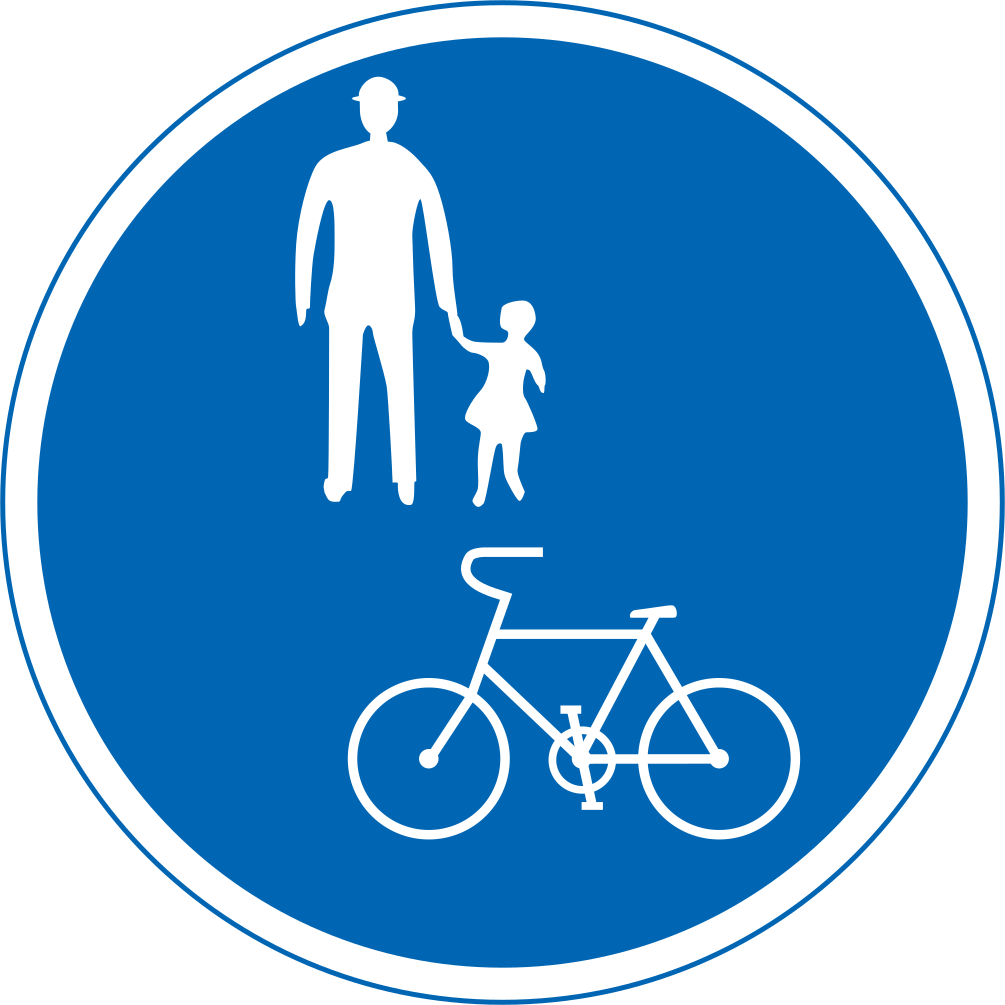
Bicycles and Pedestrians Only
自転車及び歩行者専用 · 325-3
Only bicycles and pedestrians may use this way. Cars and mopeds may not.
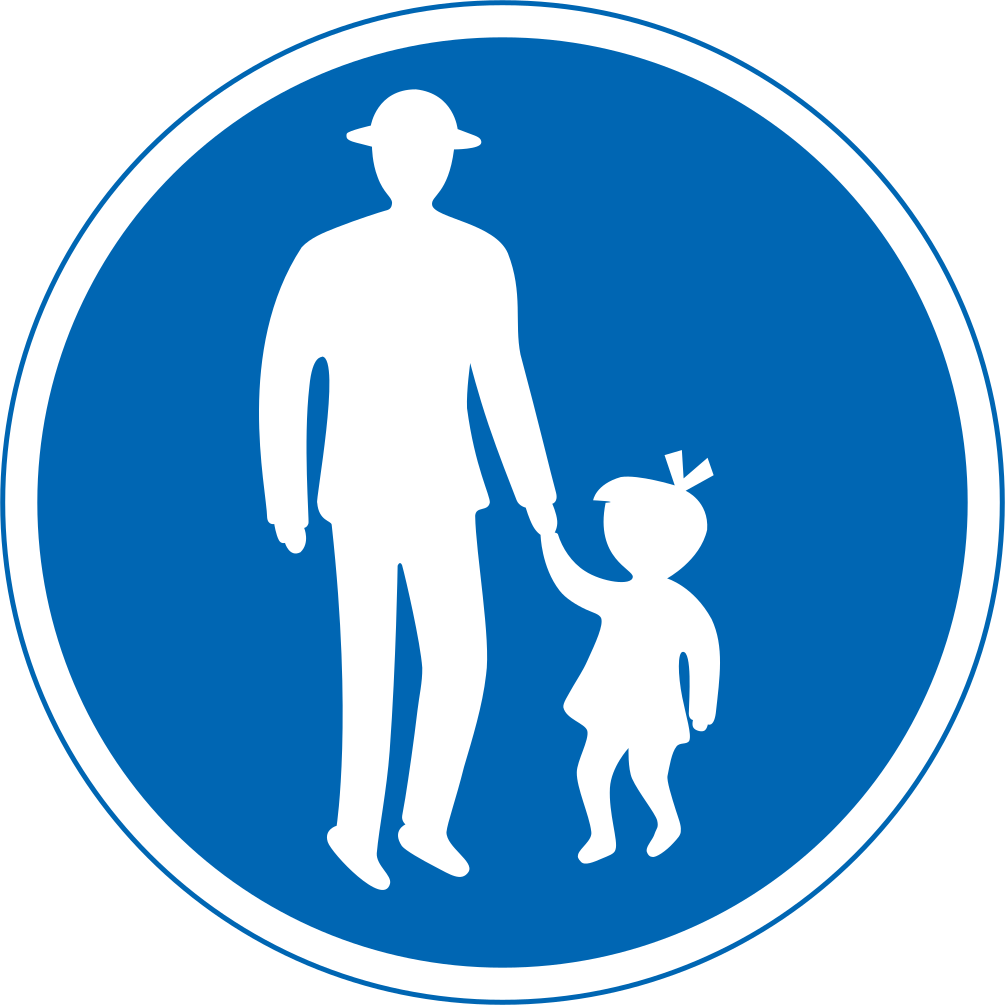
Pedestrians Only
歩行者専用 · 325-4
Only pedestrians may use this way. Vehicles are barred in principle (except permitted ones, e.g. reaching a garage).
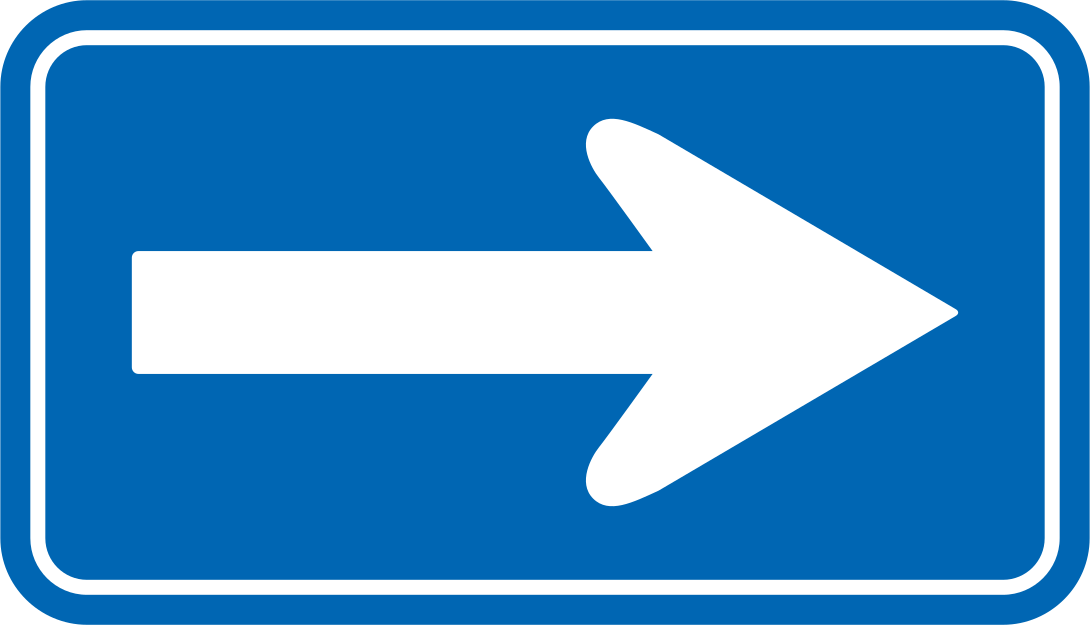
One Way
一方通行 · 326
Traffic may move only in the arrow's direction. The opposite end shows 'Do Not Enter'. Different from 'Designated Directions Only' (311).
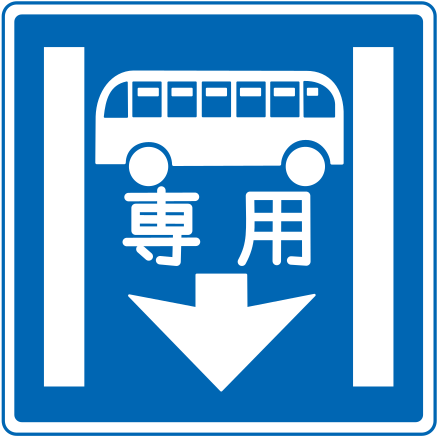
Designated Lane
専用通行帯 · 327-4
A lane reserved for a designated vehicle type (e.g. route buses). Other vehicles may not normally use it.
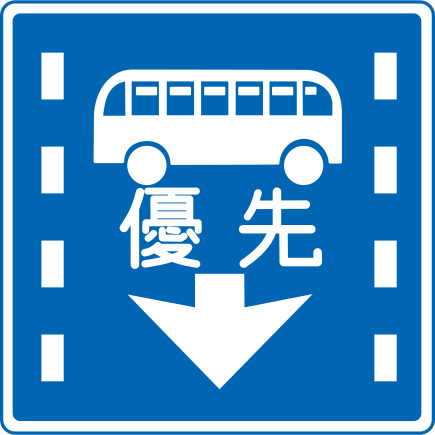
Route-Bus Priority Lane
路線バス等優先通行帯 · 327-5
A lane where route buses have priority. Other cars may use it but must move out and yield when a bus approaches — a common contrast with the 'Designated Lane'.
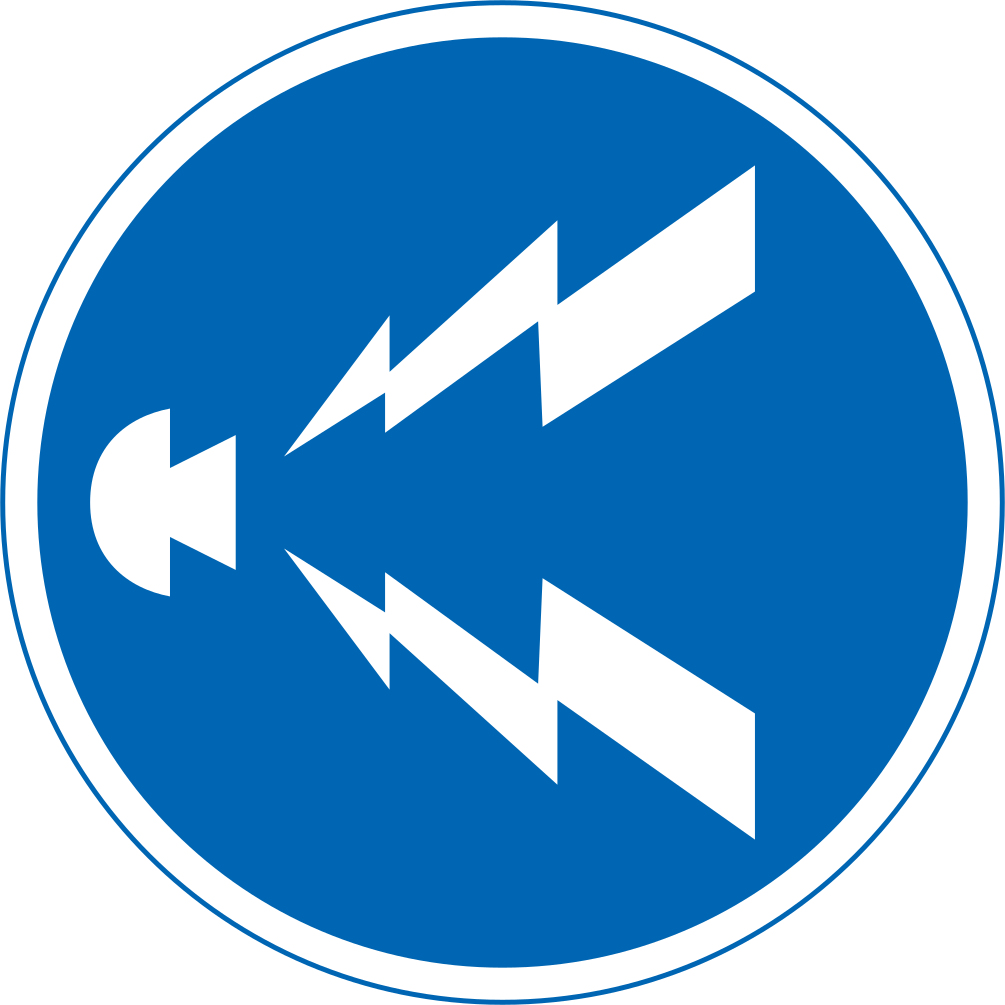
Sound Horn
警笛鳴らせ · 328
Sound your horn at this spot. Different from a 'horn zone' covering a stretch of road — placed where visibility is poor.
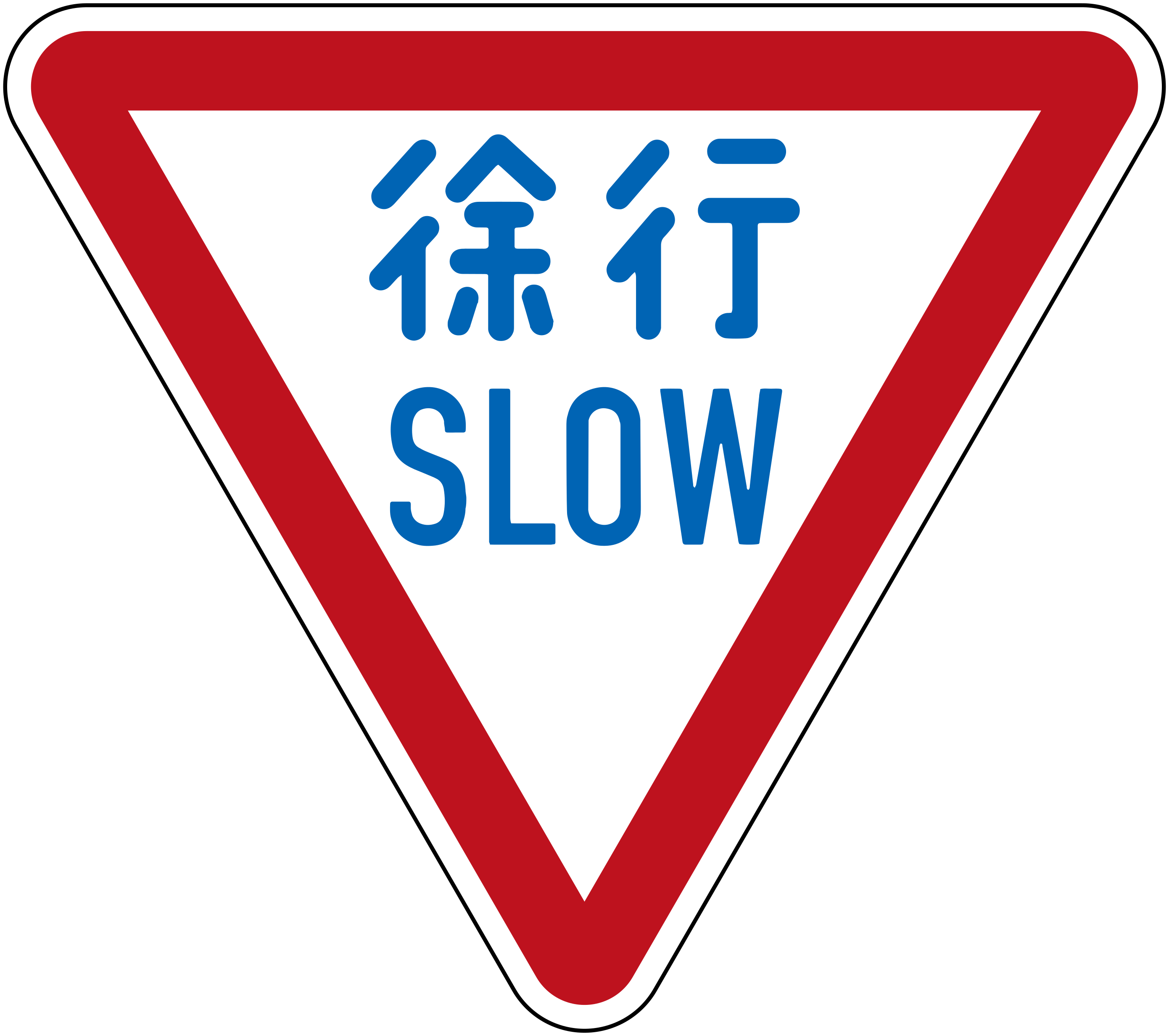
Slow Down
徐行 · 329
Slow to a speed from which you can stop immediately (roughly 10 km/h or less). Not a full stop — unlike the Stop sign (330), you needn't halt.
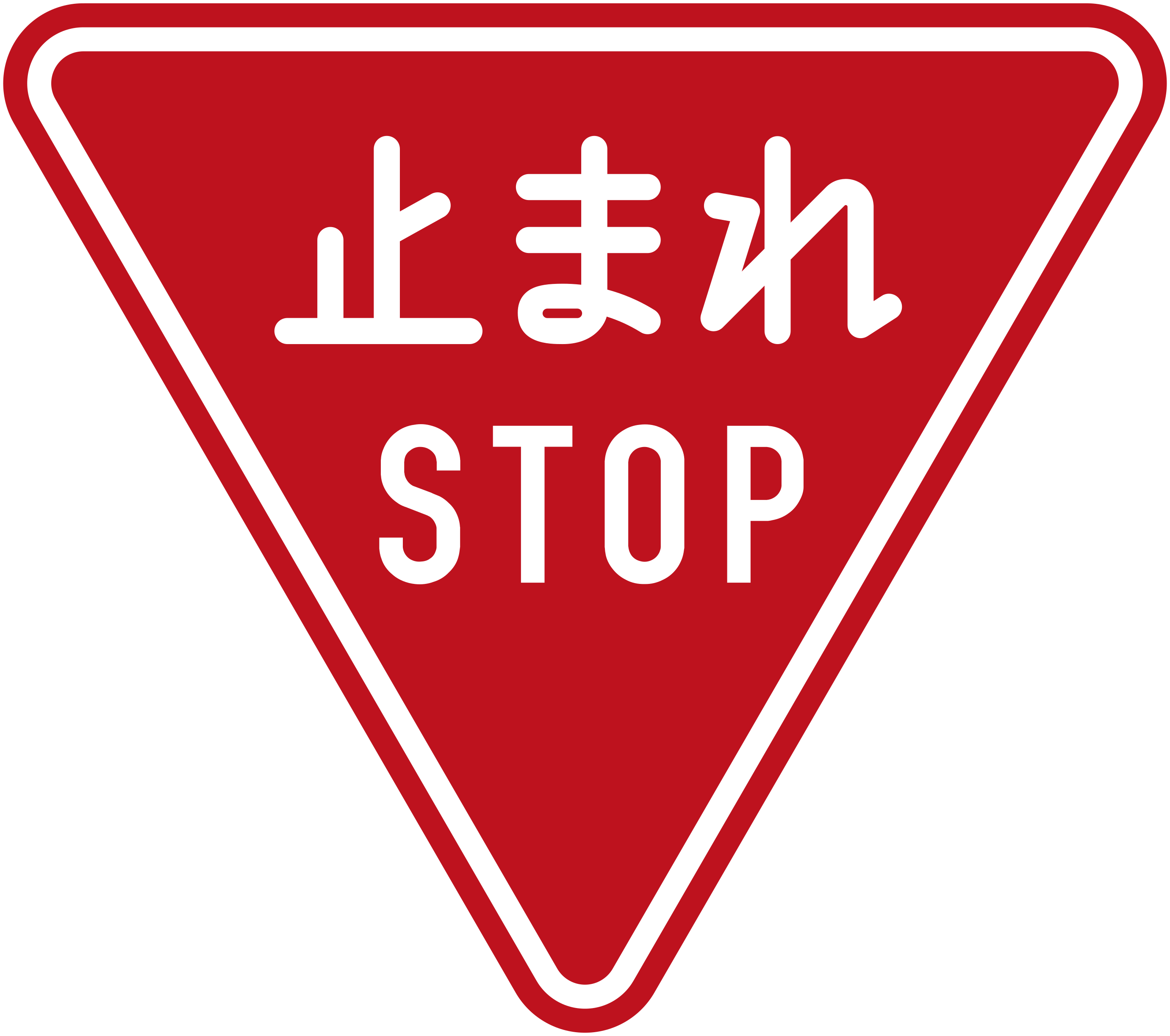
Stop
一時停止 · 330
Stop completely just before the stop line, check it is safe, then go. Unlike 'Slow Down' (329), the wheels must actually come to rest.
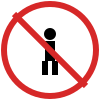
No Pedestrians
歩行者通行止め · 331
Pedestrians may not walk along here. Broader than 'No Pedestrian Crossing' (332), which only bans crossing the road.
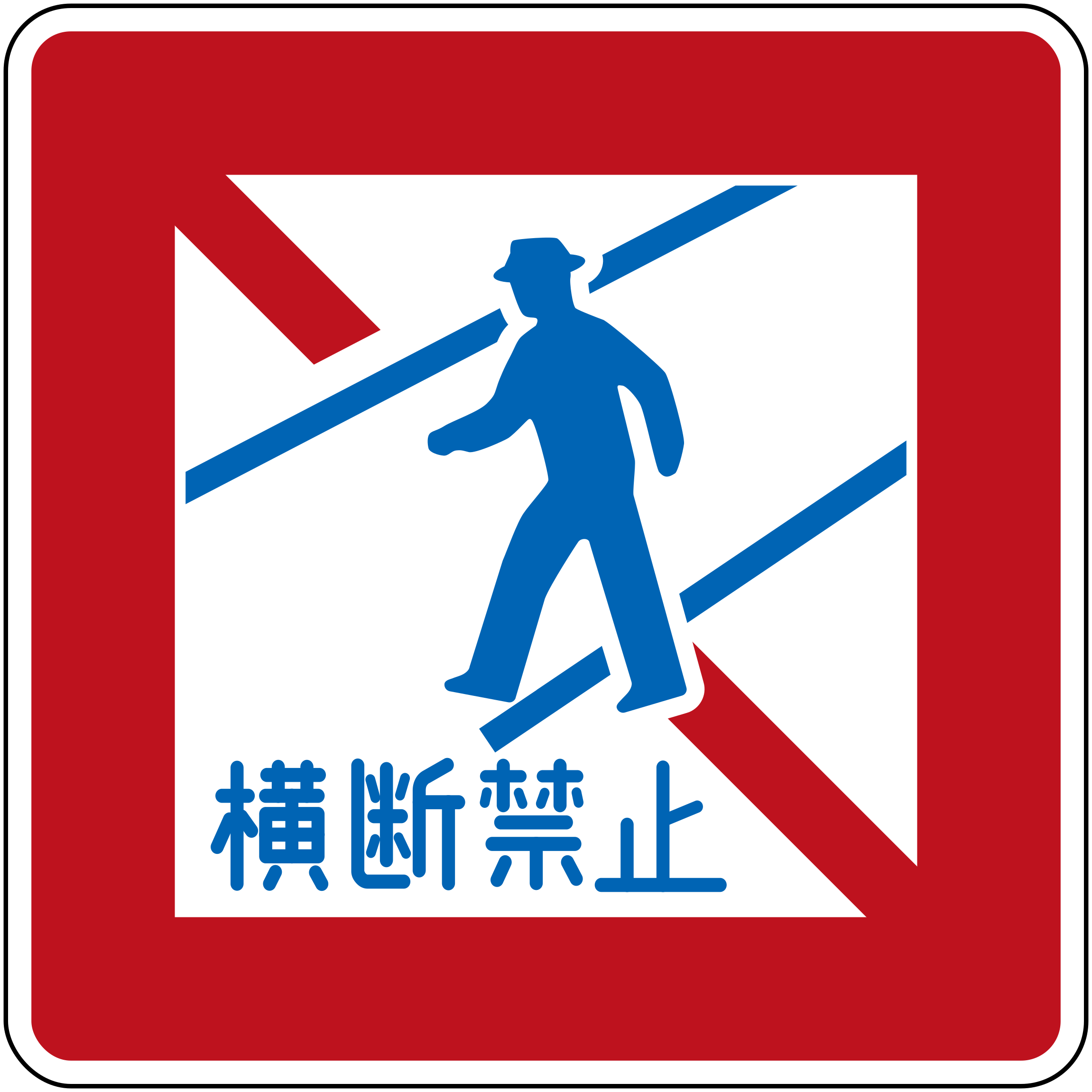
No Pedestrian Crossing
歩行者横断禁止 · 332
Pedestrians may not cross the road here. Different from 'No Pedestrians' (331), which bans walking along it at all.
Indication signs
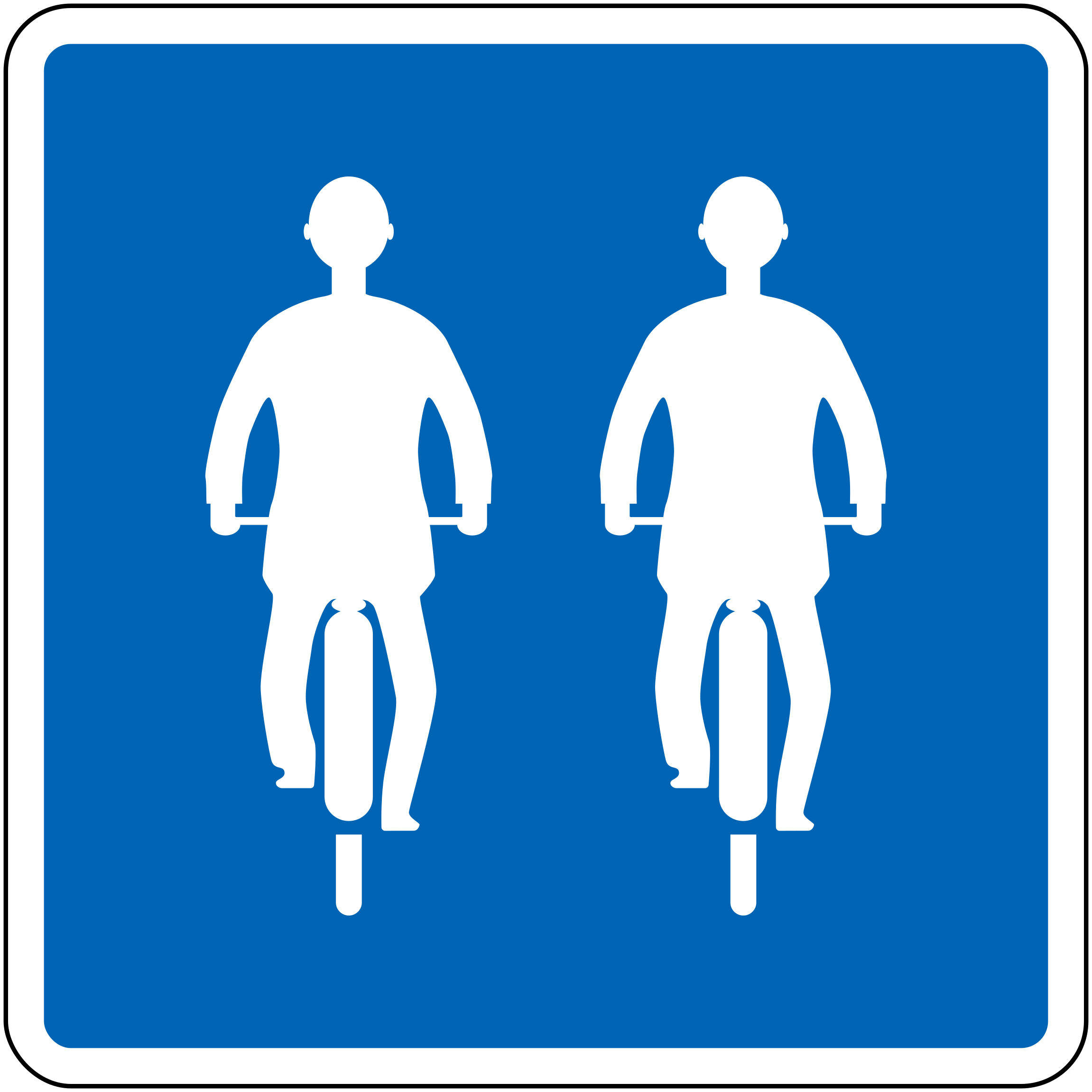
Riding Abreast Permitted
並進可 · 401
Shows that bicycles may ride two abreast. Without this sign, riding side-by-side is generally prohibited.
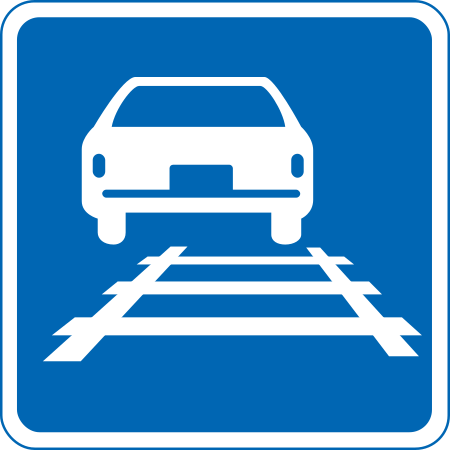
Driving on Tram Tracks Permitted
軌道敷内通行可 · 402
Cars may drive on the tramway tracks. Without this sign, driving on the tracks is generally not allowed.
Parking Permitted
駐車可 · 403
Marks where parking is allowed. A supplementary plate may add time limits or conditions.
Stopping Permitted
停車可 · 404
Marks where stopping is allowed. Unlike 'Parking Permitted' (403), it does not allow parking.
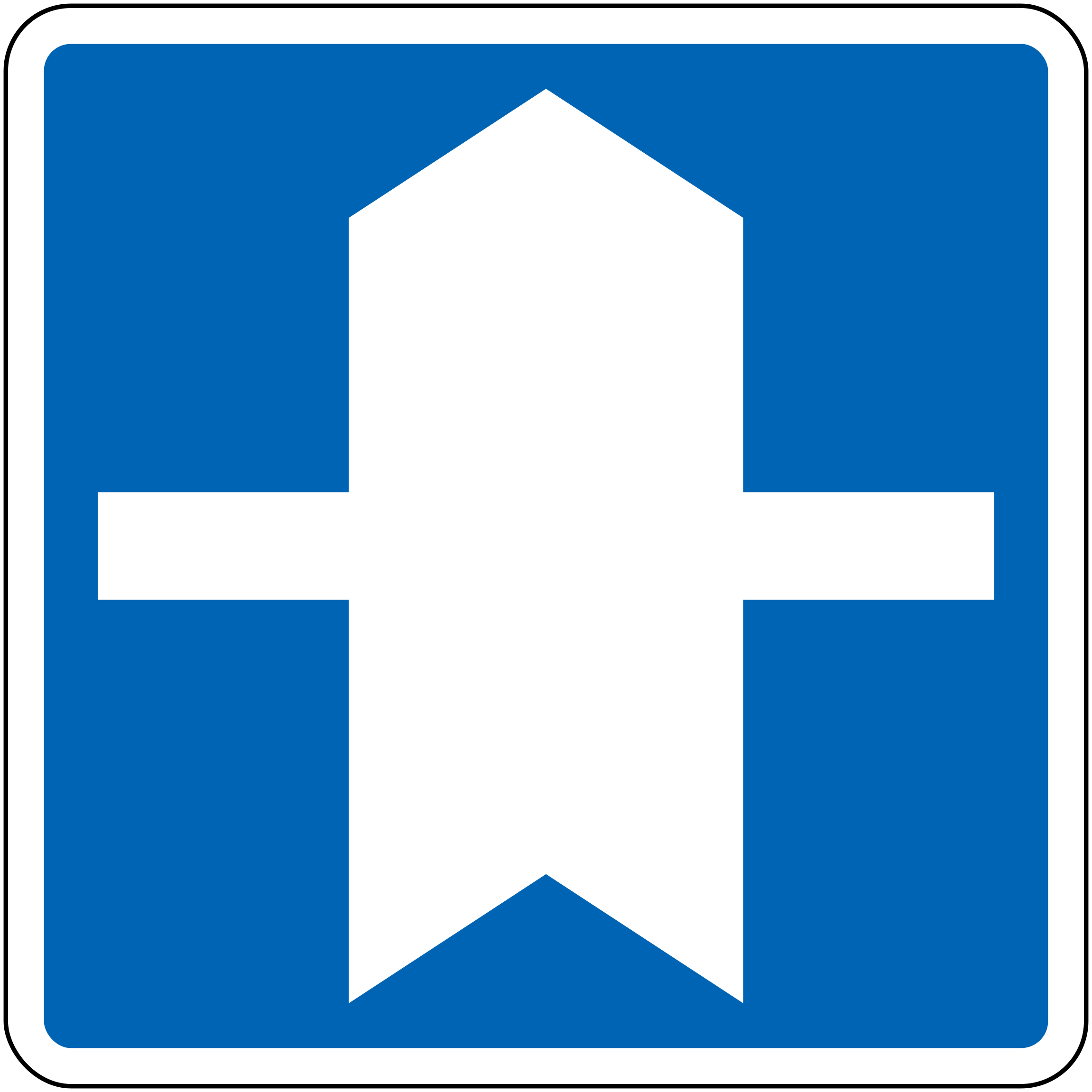
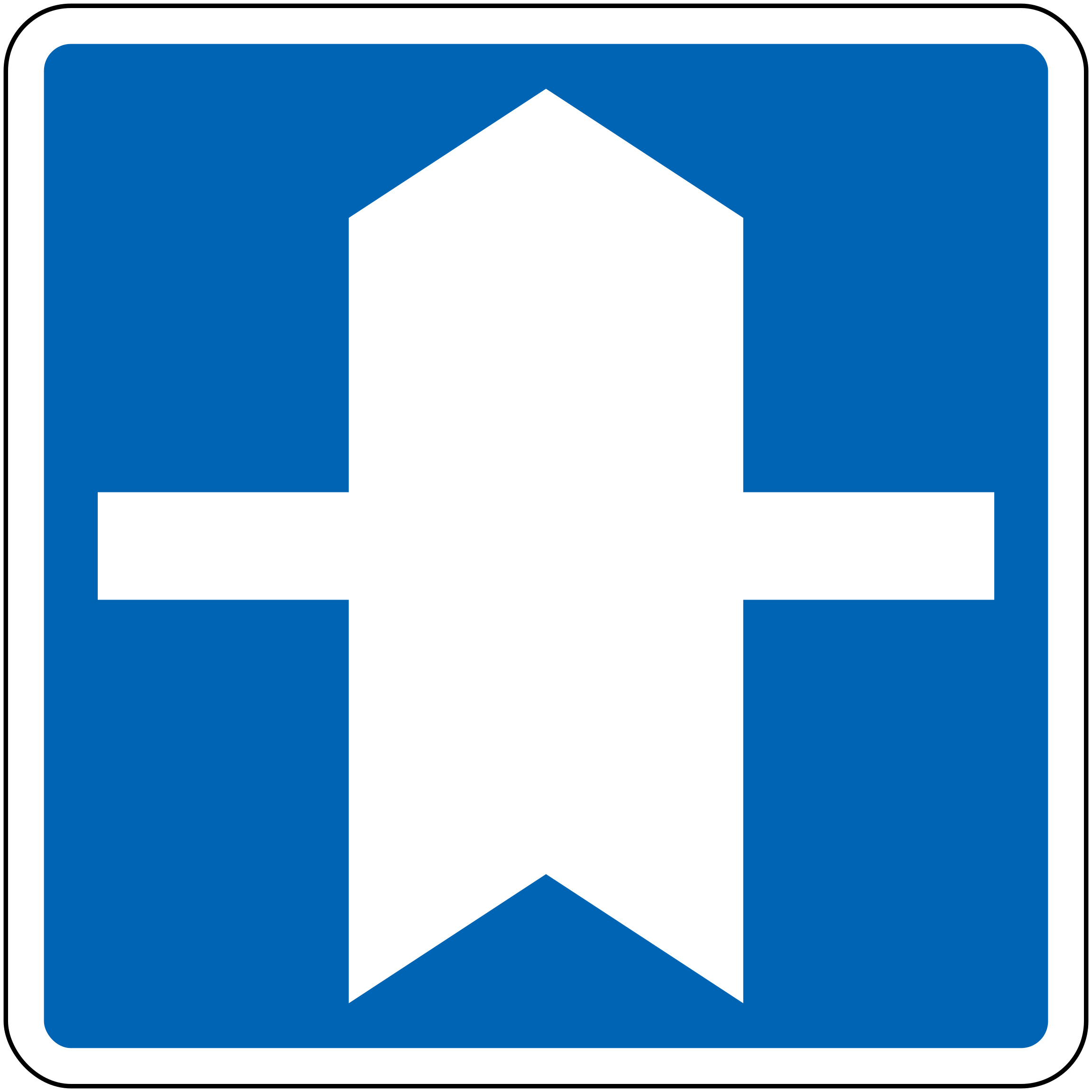
Priority Road
優先道路 · 405
Shows that this is the priority road. It has right of way over crossing roads, and you are not required to slow at the intersection while on it.
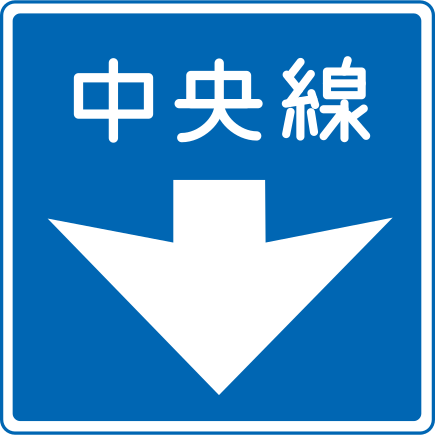
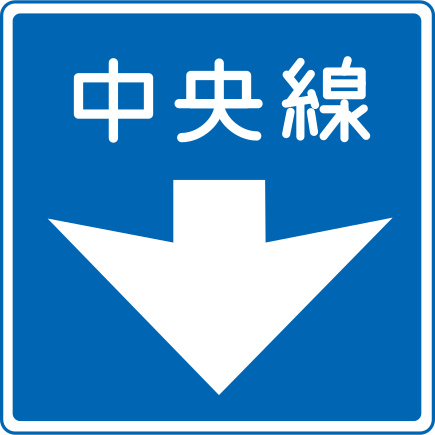
Center Line
中央線 · 406
An indication sign marking where the road's center line lies. Same meaning as the painted center-line marking.
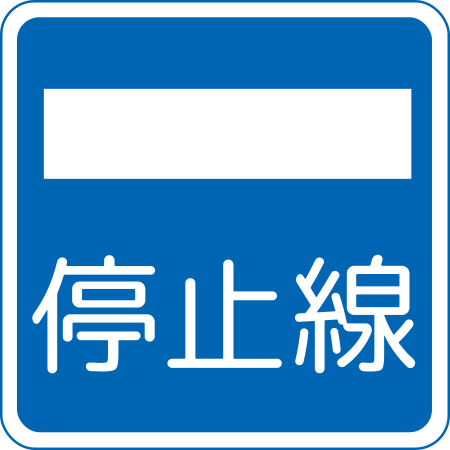
Stop Line (sign)
停止線 · 406-2
An indication sign showing where vehicles should stop. When halting at a stop sign or signal, do not cross this line.
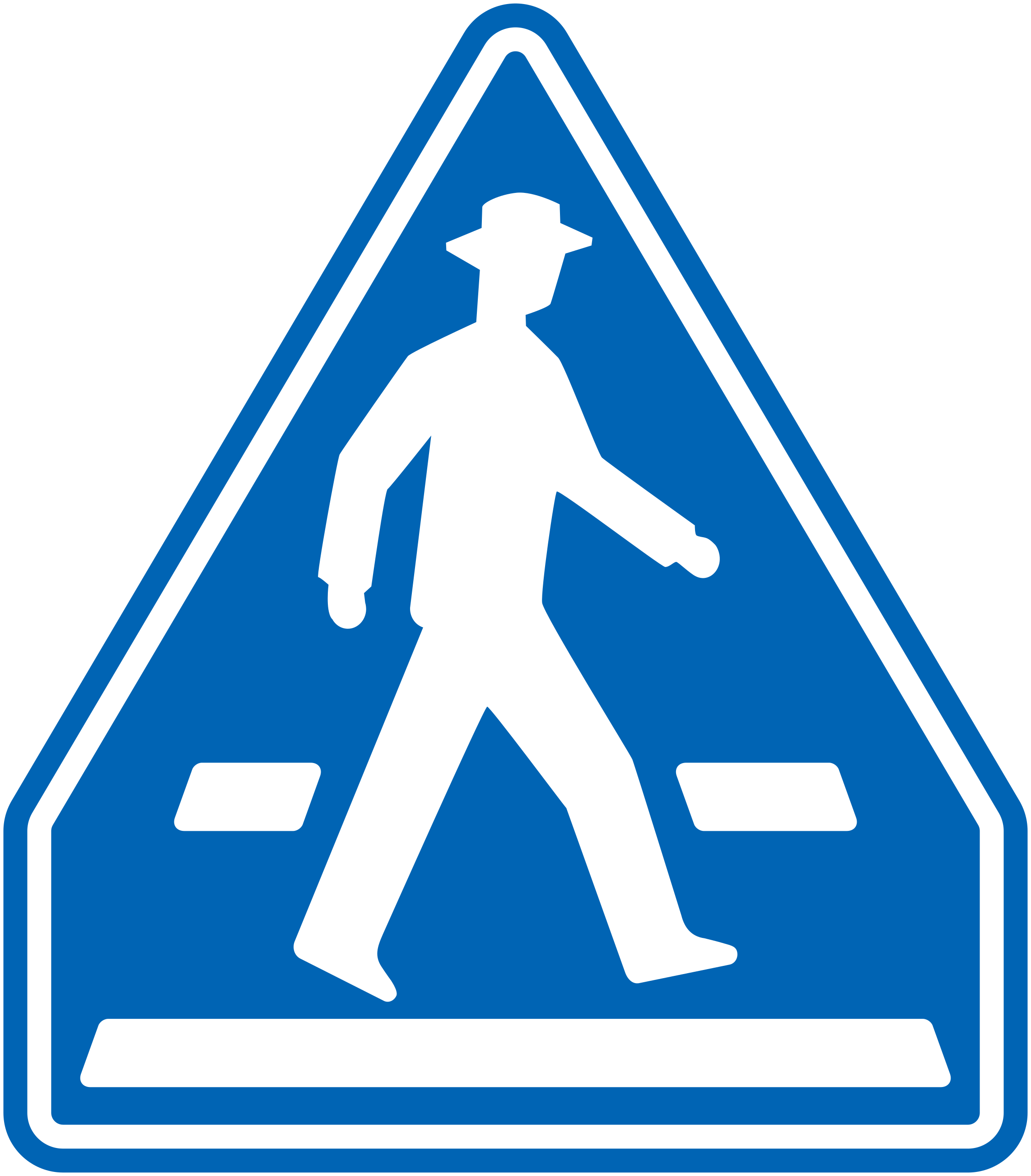
Pedestrian Crossing
横断歩道 · 407
Marks a pedestrian crossing. You must stop and yield when someone is crossing or about to cross.
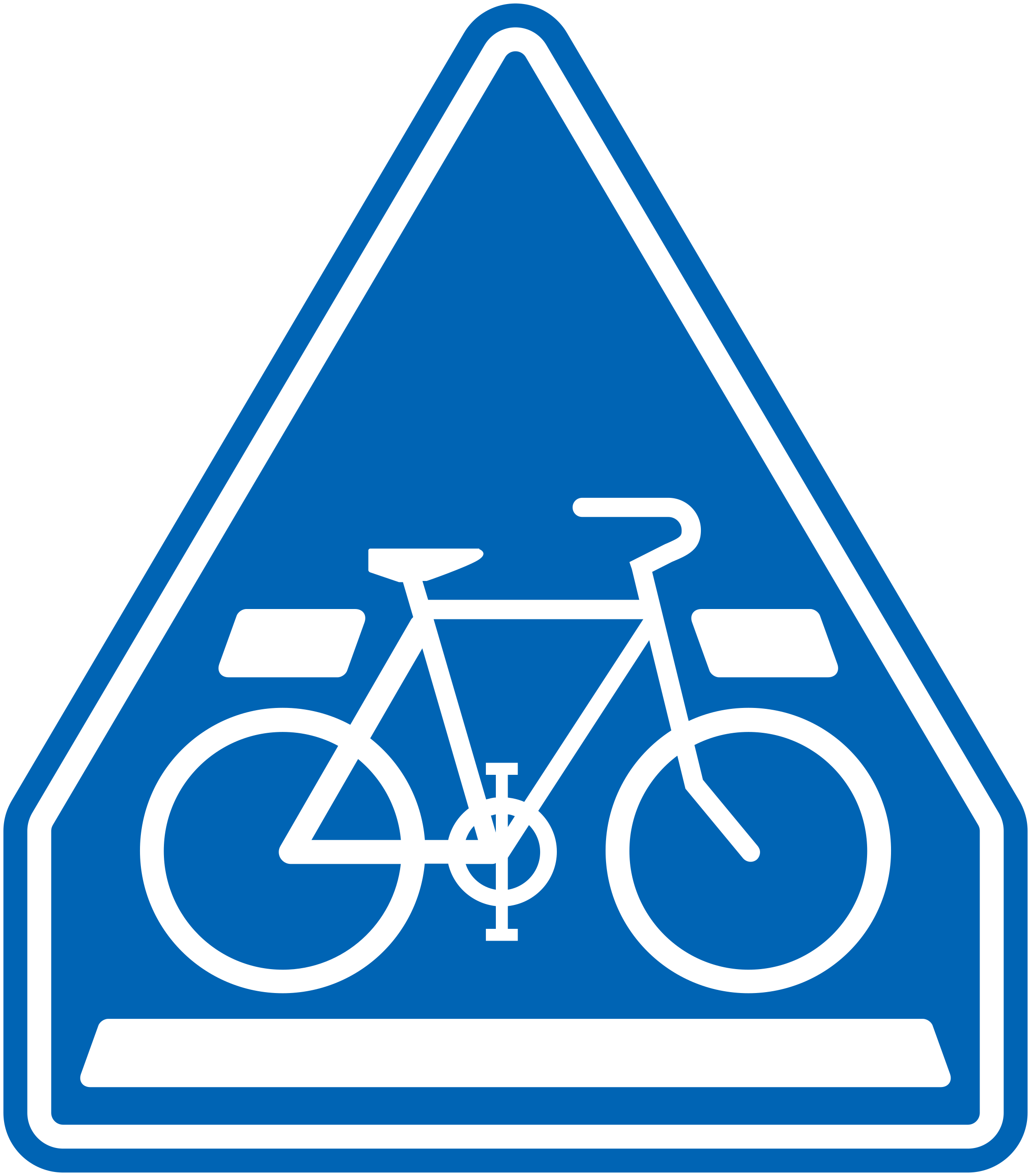
Bicycle Crossing
自転車横断帯 · 407-2
A marked place for bicycles to cross. You must not obstruct cyclists who are crossing.
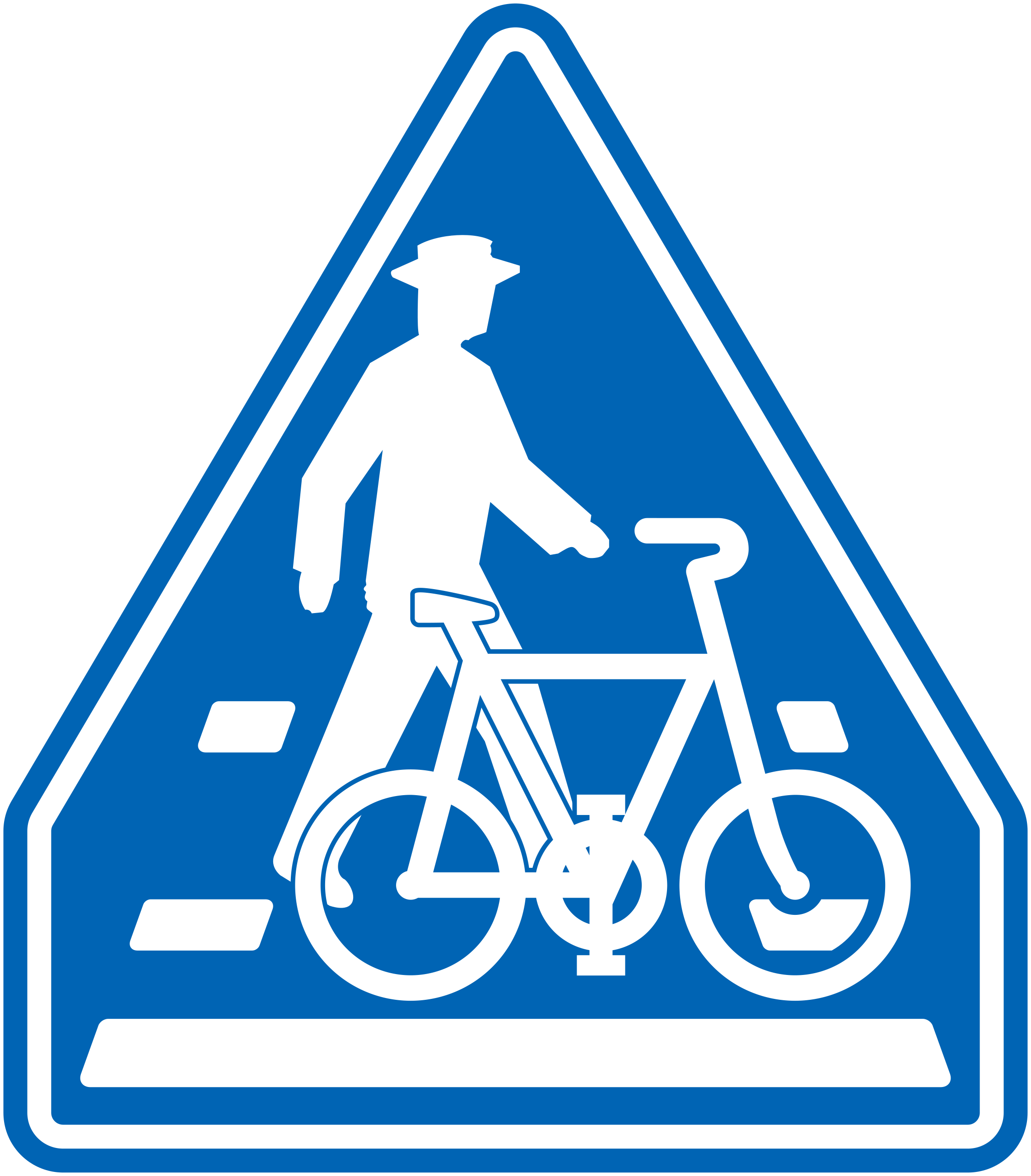
Pedestrian and Bicycle Crossing
横断歩道・自転車横断帯 · 407-3
Marks where a pedestrian crossing and a bicycle crossing are combined. Yield to both pedestrians and cyclists.
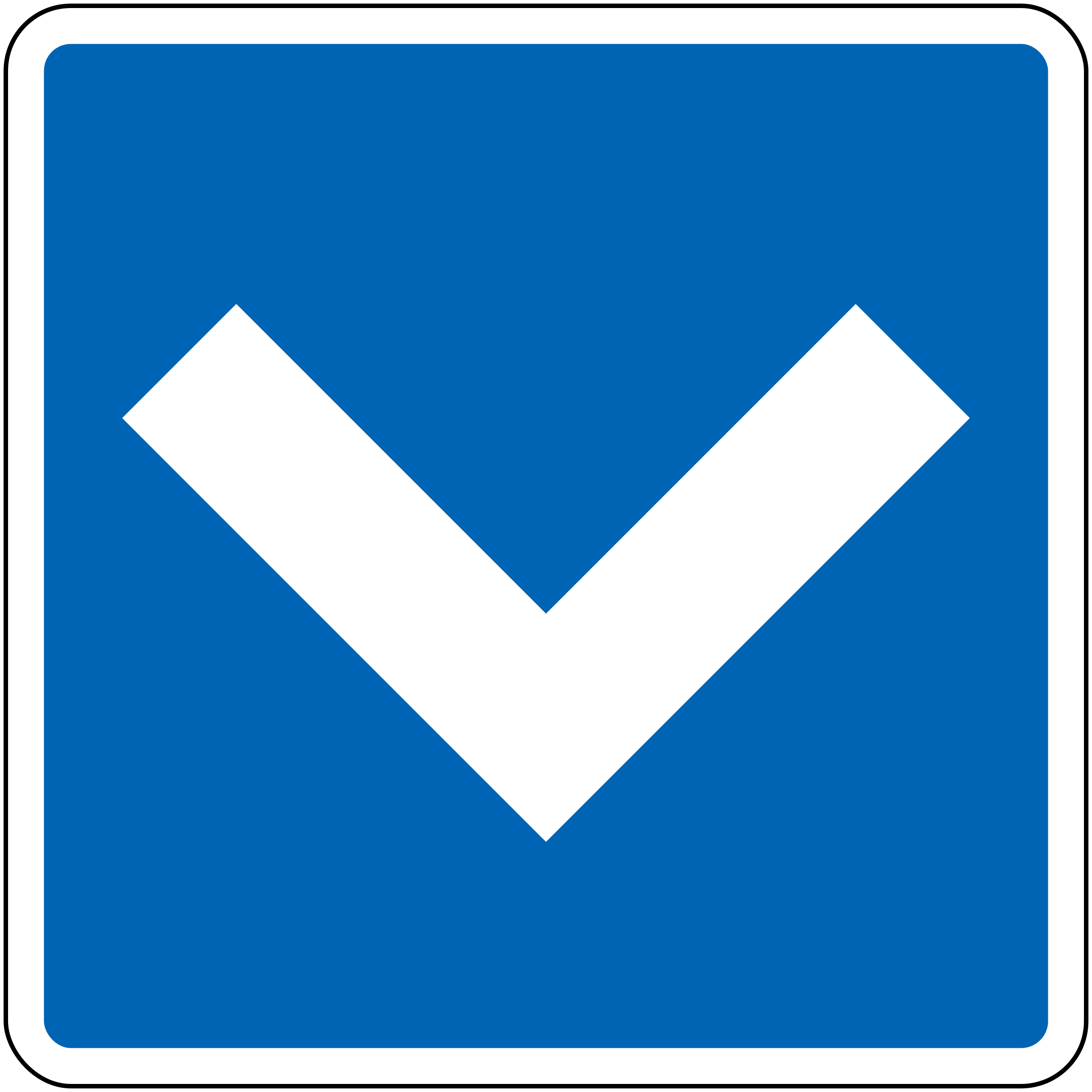
Safety Zone
安全地帯 · 408
A marked island on the road that protects tram passengers and others. You must slow down when passing a safety zone that has people in it — but not when it is empty.
Warning signs
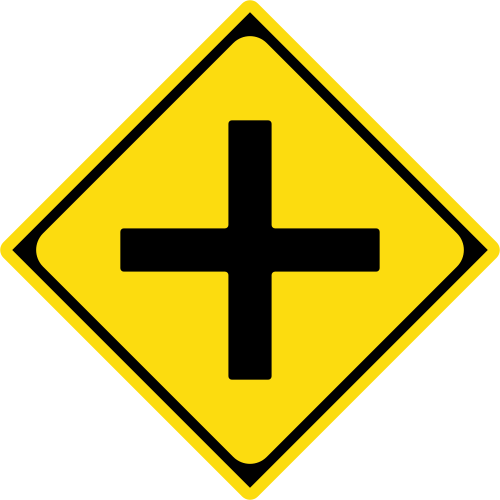
Intersection Ahead
交差点あり · 201
Warns of an intersection ahead. Slow down and watch for cross traffic.
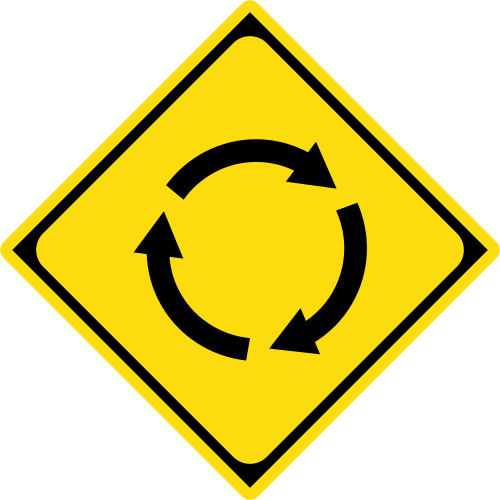
Rotary Ahead
ロータリーあり · 201-2
Warns of a rotary (circular intersection) ahead. Distinct from a legally-defined 'roundabout' (kanjō kōsaten).
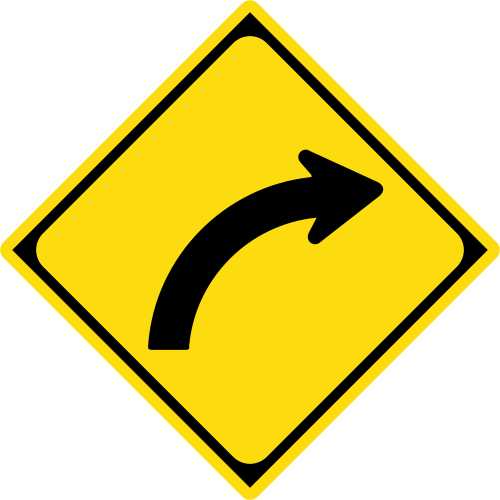
Bend Ahead
右(又は左)方屈曲あり · 202
Warns that the road bends sharply once ahead.
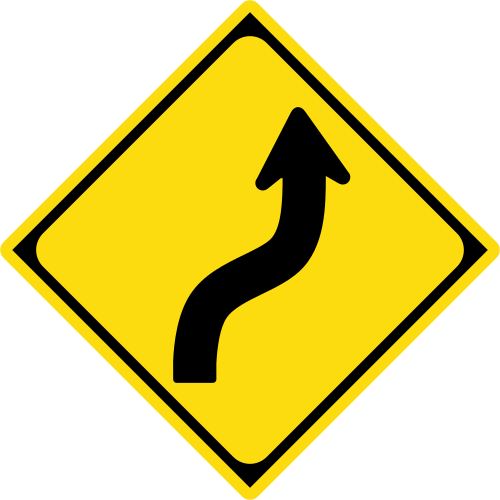
Reverse Bend Ahead
右(又は左)背向屈曲あり · 204
Warns of a reverse (S-shaped) double bend ahead. Reduce speed well before the curves. Different from a 'winding road' sign (three or more successive bends).
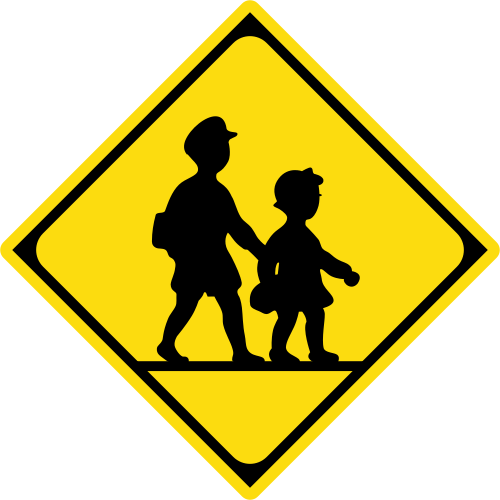
Railroad Crossing Ahead
踏切あり · 207
Warns of a railroad crossing ahead. Stop just before the crossing and check it is safe.
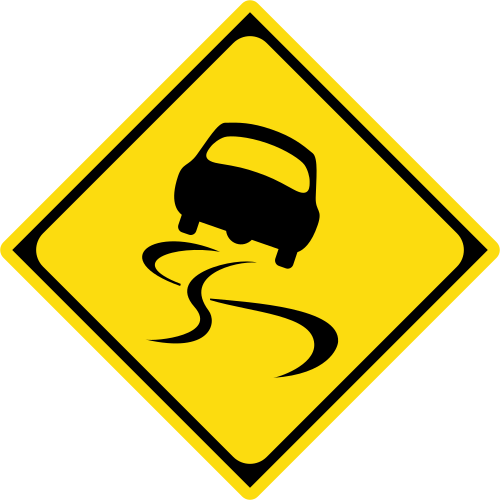
School Zone Ahead
学校・幼稚園・保育所等あり · 208
Warns that a school, kindergarten, or nursery is nearby. Watch for children stepping out.
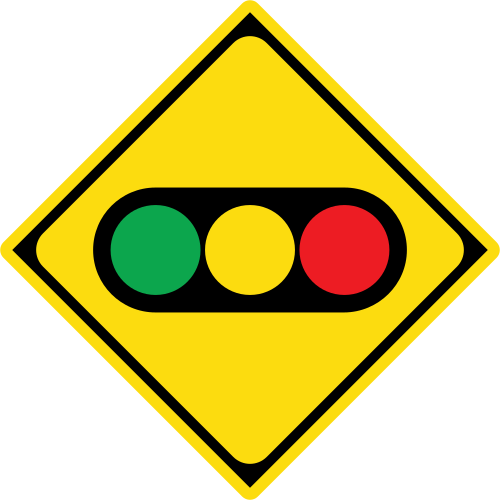
Traffic Signal Ahead
信号機あり · 208-2
Warns of a traffic signal ahead, often where it is hard to see in time.
Slippery Road
すべりやすい · 209
Warns the road surface is slippery. Slow down, especially in rain or ice.
Falling Rocks
落石のおそれあり · 209-2
Warns of possible falling rocks or landslides, e.g. in mountainous areas.
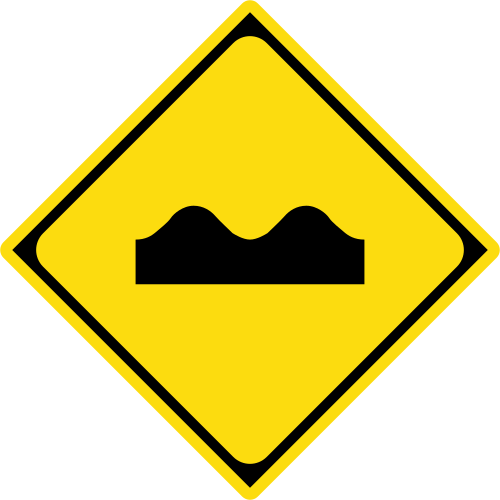
Bumpy Road
路面凹凸あり · 209-3
Warns of an uneven (bumpy) road surface. Slow down to pass.
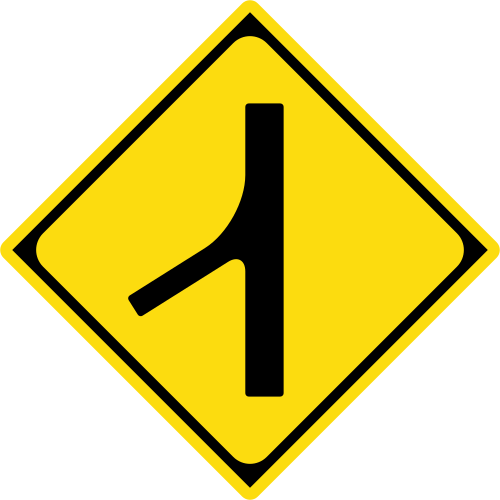
Merging Traffic
合流交通あり · 210
Warns that traffic merges from another road ahead. Watch for merging vehicles.
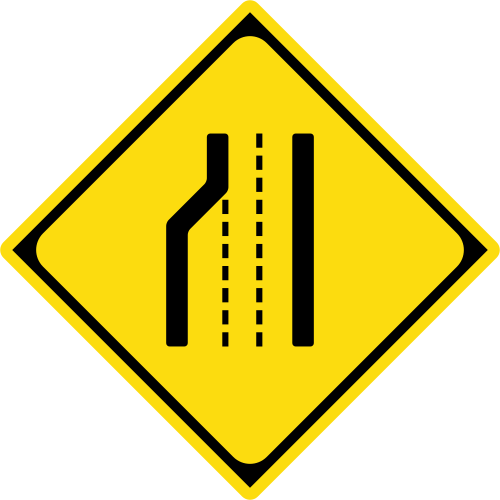
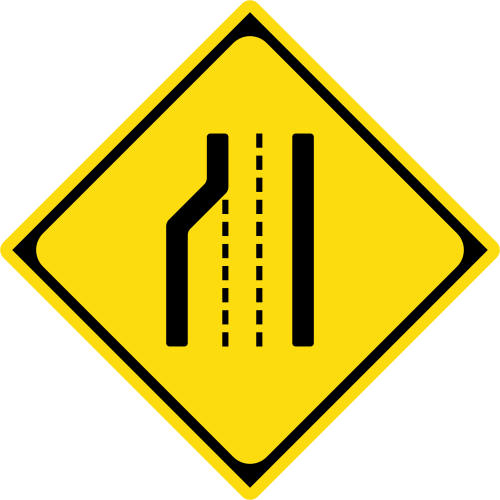
Lane Decrease
車線数減少 · 211
Warns that the number of lanes decreases ahead. Different from 'Road Narrows' (212) — here the lane count itself drops.
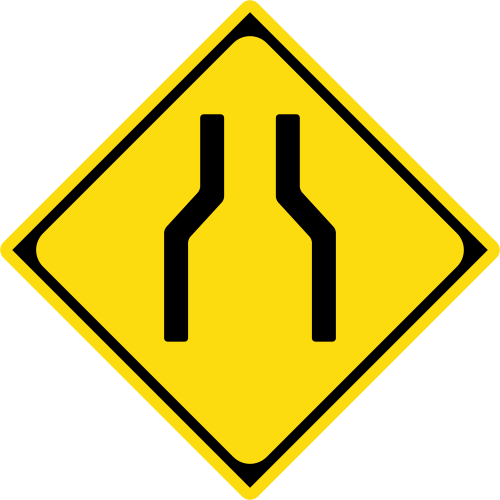
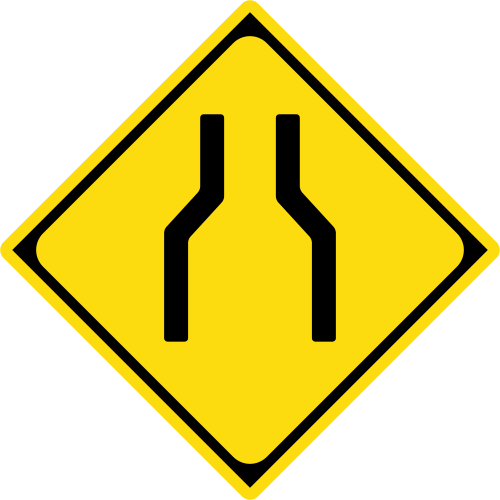
Road Narrows
幅員減少 · 212
Warns the road narrows ahead. Different from 'Lane Decrease' (211).
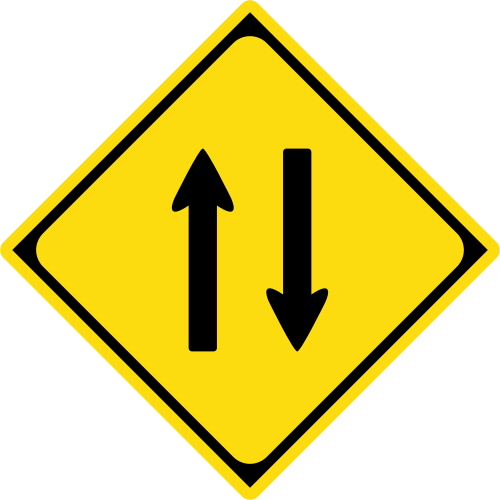
Two-Way Traffic
二方向交通 · 212-2
Warns of two-way traffic ahead (opposing traffic shares the road). Watch for oncoming vehicles.
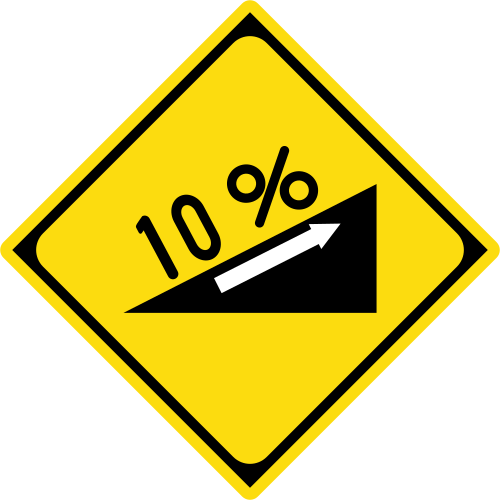
Steep Ascent
上り急勾配あり · 212-3
Warns of a steep uphill grade ahead.
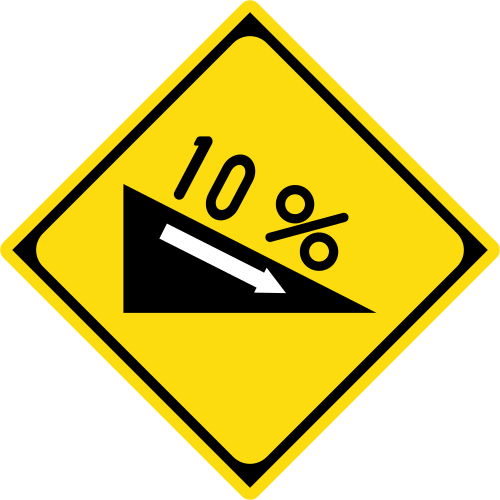
Steep Descent
下り急勾配あり · 212-4
Warns of a steep downhill grade ahead. Use engine braking to keep speed in check.
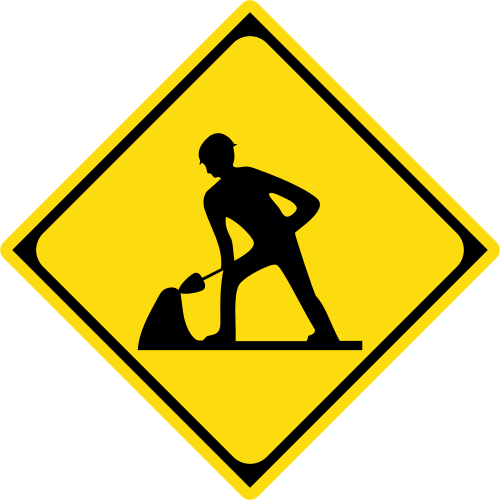
Road Works
道路工事中 · 213
Warns of road works ahead.
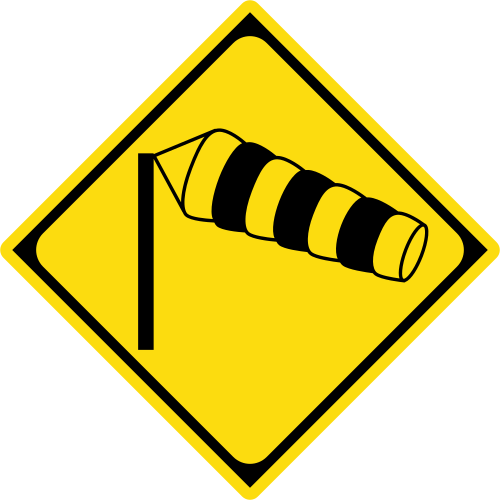
Crosswind
横風注意 · 214
Warns of possible strong crosswinds. Keep a firm hold on the wheel.
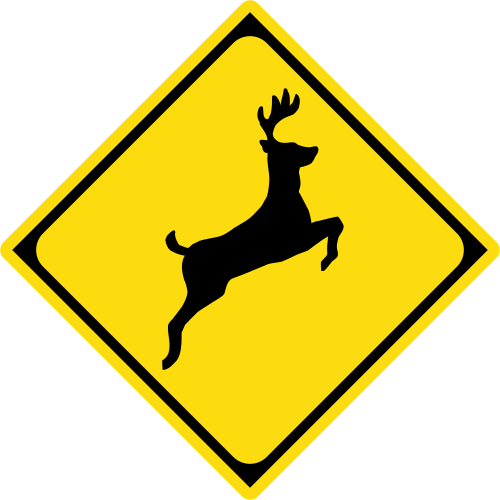
Animals Crossing
動物が飛び出すおそれあり · 214-2
Warns that animals may dash out onto the road.
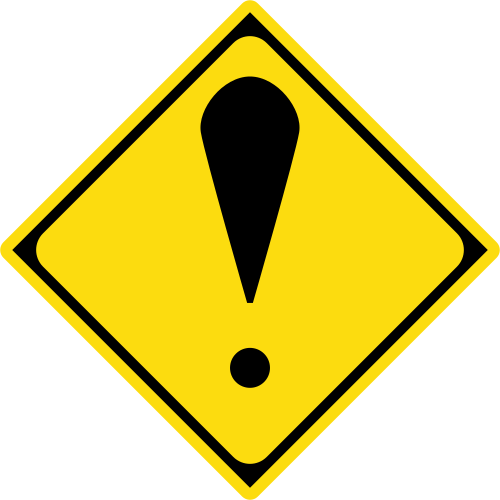
Other Danger
その他の危険 · 215
Warns of a hazard not covered by other signs; the specifics are usually given on a supplementary plate.
Road markings
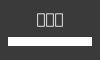
Stop Line
停止線
Shows the line vehicles must not cross when stopping.
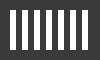
Pedestrian Crossing Marking
横断歩道(標示)
A road marking showing where pedestrians cross.

Yellow Center Line
黄色の中央線
A yellow center line prohibits crossing it to overtake. With white lines too, a solid line forbids crossing; only a broken white line lets you cross to overtake.
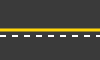
No Passing Marking
追越しのための右側部分はみ出し通行禁止(標示)
A yellow center line bans crossing into the right side to overtake — the same meaning as the matching sign.
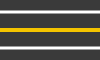
Do Not Change Lanes
進路変更禁止(標示)
A yellow lane line prohibits changing lanes across it.
Traffic signals

Red Signal
赤色の灯火
Vehicles and pedestrians must stop. Do not proceed beyond the stop line.

Yellow Signal
黄色の灯火
Stop, as a rule. You may proceed only if you cannot stop safely before the stop line.

Green Signal
青色の灯火
You may go straight, turn left, or turn right (with exceptions, e.g. mopeds making a two-stage right turn). Green means you 'may' go, not that you 'must'.

Right Arrow Signal
右向き矢印信号
Lets you proceed in the arrow's direction even on red or yellow. A right arrow also allows a U-turn — but light vehicles, mopeds making a two-stage right turn, and specified small mopeds may not go.
Next steps
Practice sign questions by picking a chapter on the home page. Look up terms in the glossary. Foreign license holders: foreign license conversion (gaimen kirikae) guide.
Last updated: 2026-07-01