Confusing Japanese Road Signs: 8 Look-Alike Pairs the Test Loves
Regulatory signs — the red-bordered circles — are where most sign questions on the Japanese test come from, and the questions are rarely “what is this sign?” They are usually “what does this sign NOT mean?”. The test pairs signs that look almost identical and asks you to pick the one with the right scope. Below are eight pairs, with the single idea that separates each.
Read the scope first: who is banned?
Most “prohibited” signs differ only in who they ban. Before memorizing pictures, memorize the scope ladder: everyone (including pedestrians) → all vehicles → one vehicle type. The first two pairs show the ladder.
Pair 1: Road Closed vs No Vehicles
The classic. Road Closed stops everyone on the road; No Vehicles stops vehicles only, so pedestrians may still walk through. If a question says a pedestrian may not enter and shows the No Vehicles sign, the statement is false.
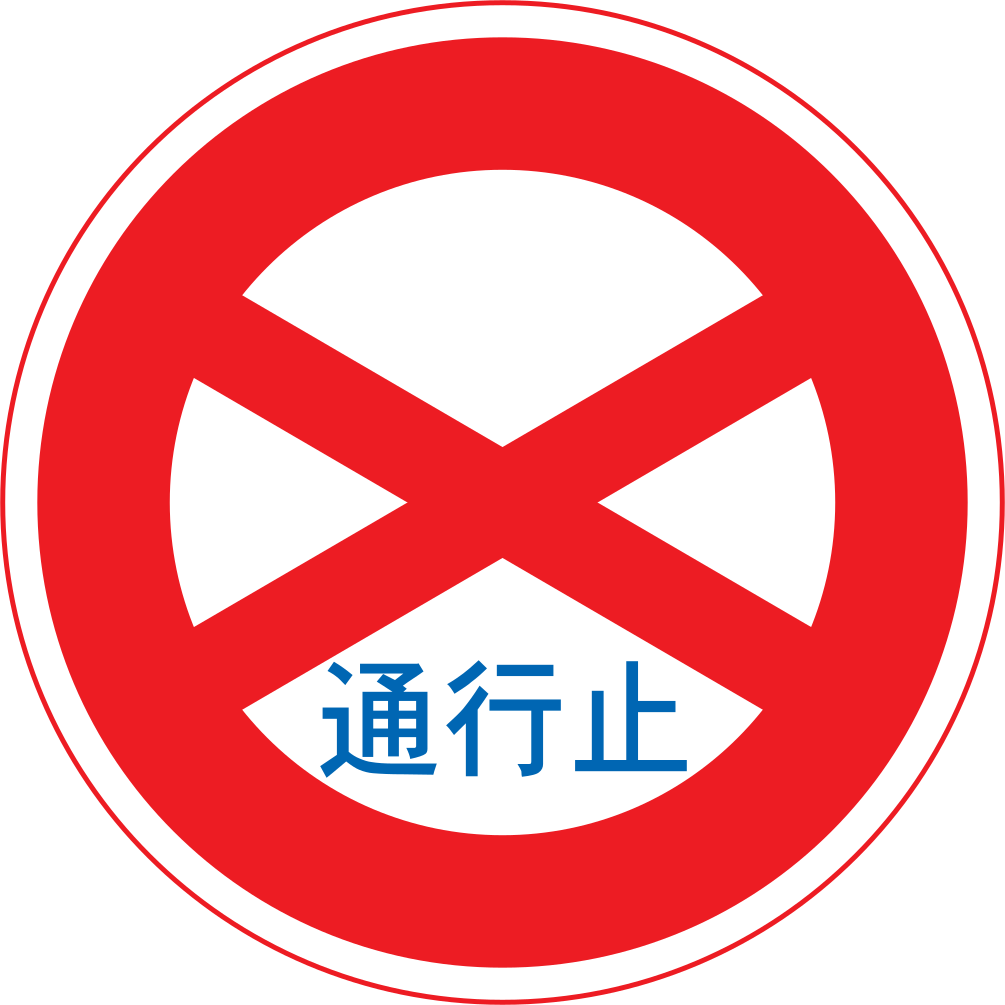
No one may pass — pedestrians, vehicles, and trams alike. Broader than 'No Vehicles' (302): even people on foot are barred.
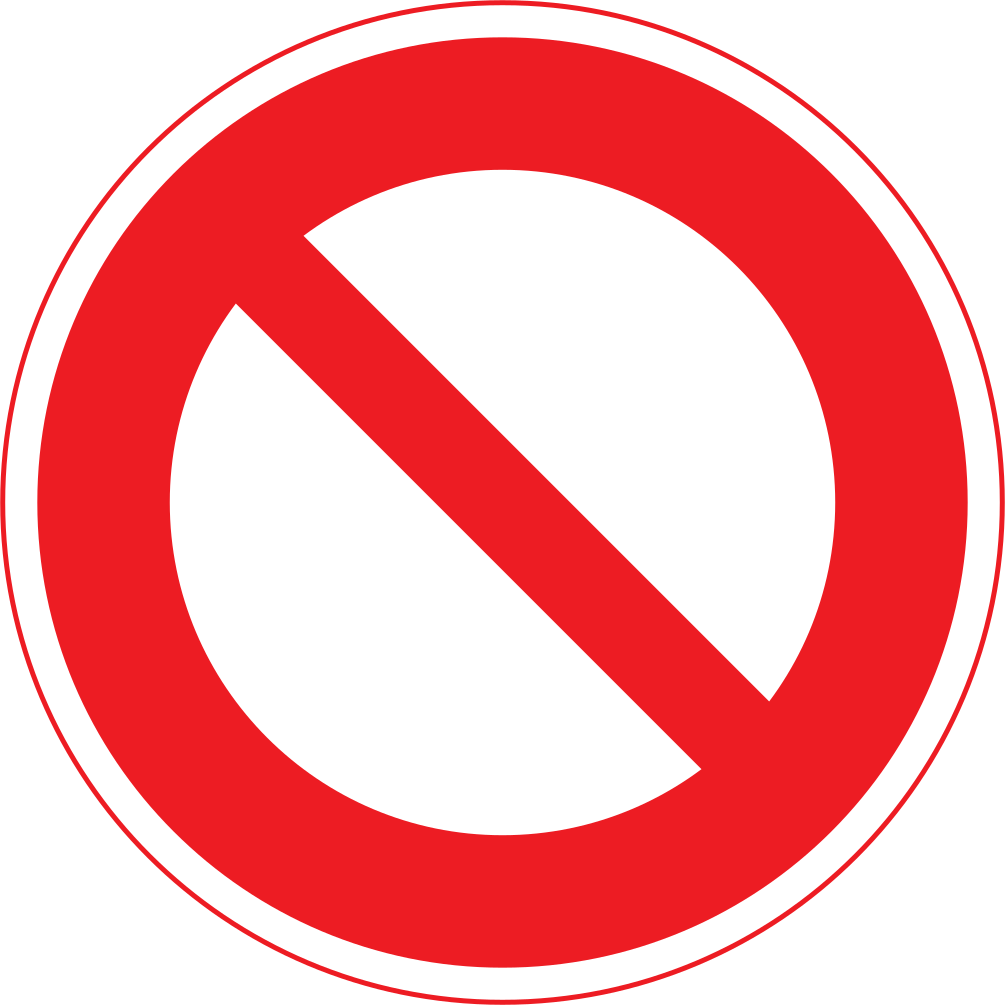
No vehicles (cars, mopeds, light vehicles) may pass, but pedestrians may. The exam contrasts it with 'Road Closed' (301), which stops everyone.
Pair 2: No Large Freight Vehicles vs No Large Passenger Vehicles
Same silhouette idea, different target. One bans big trucks, the other bans big buses. Read the pictogram, not the red circle.
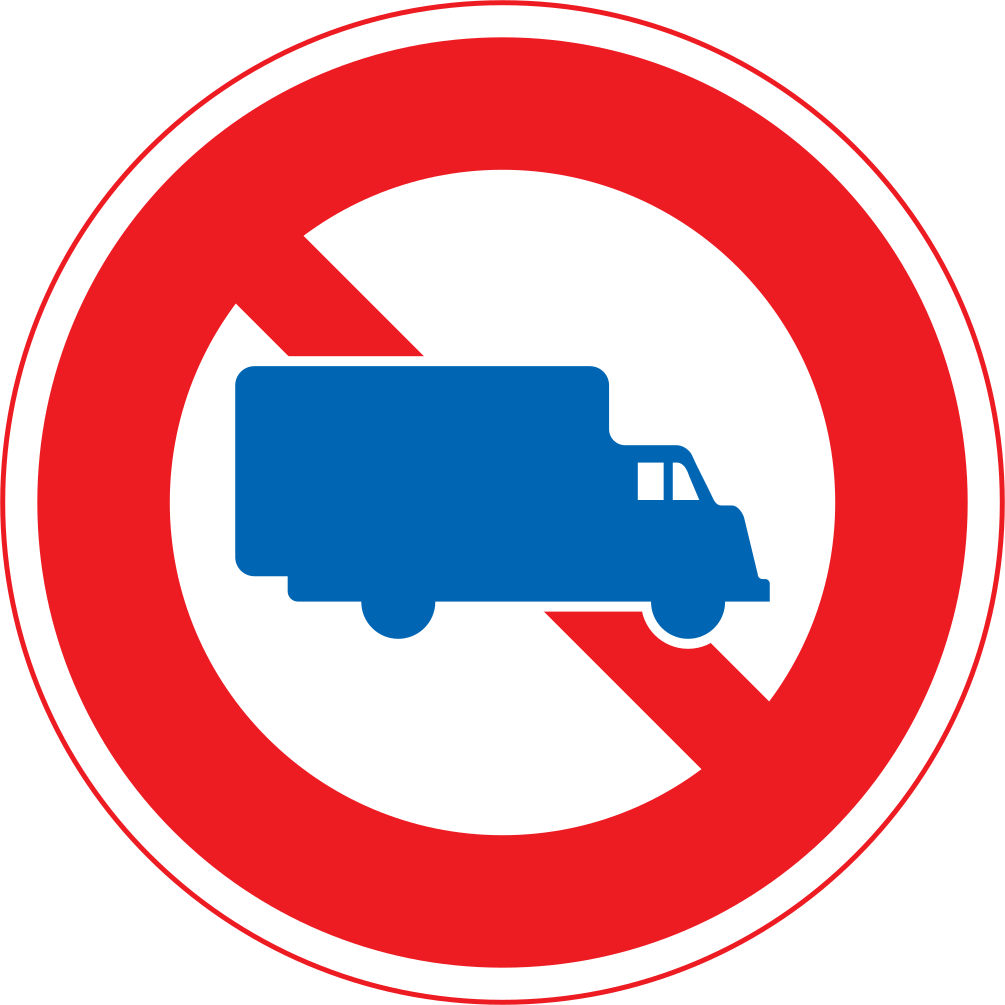
Large (and specified medium) trucks may not pass. Different target from 'No Large Passenger Vehicles' (306), which bans big buses.
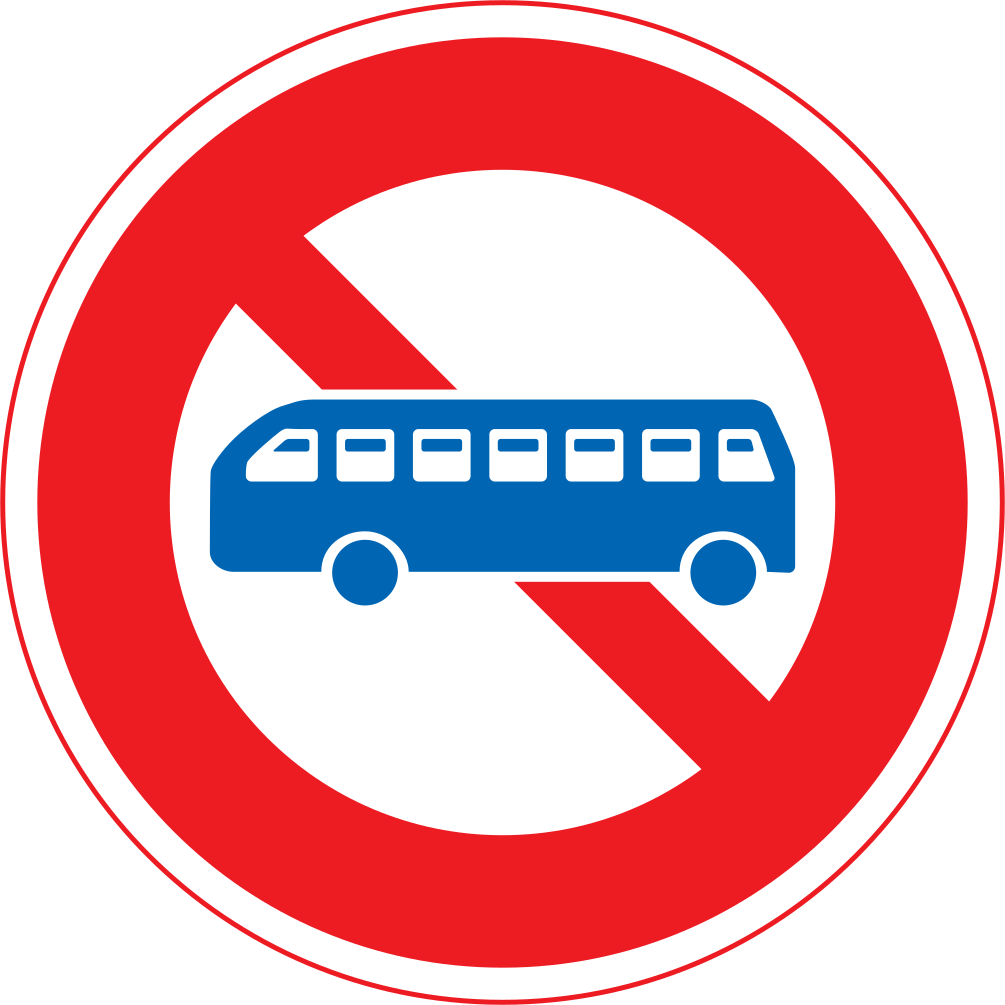
Large passenger vehicles such as big buses may not pass. Pairs with 'No Large Freight Vehicles' (305), which targets trucks.
Pair 3: No Motorcycles or Mopeds vs No Bicycles
A very common trick: the motorcycle-and-moped ban does not cover bicycles, which are legally light vehicles. And the bicycle ban does not cover general mopeds, though it does cover specified small mopeds such as electric kick scooters.
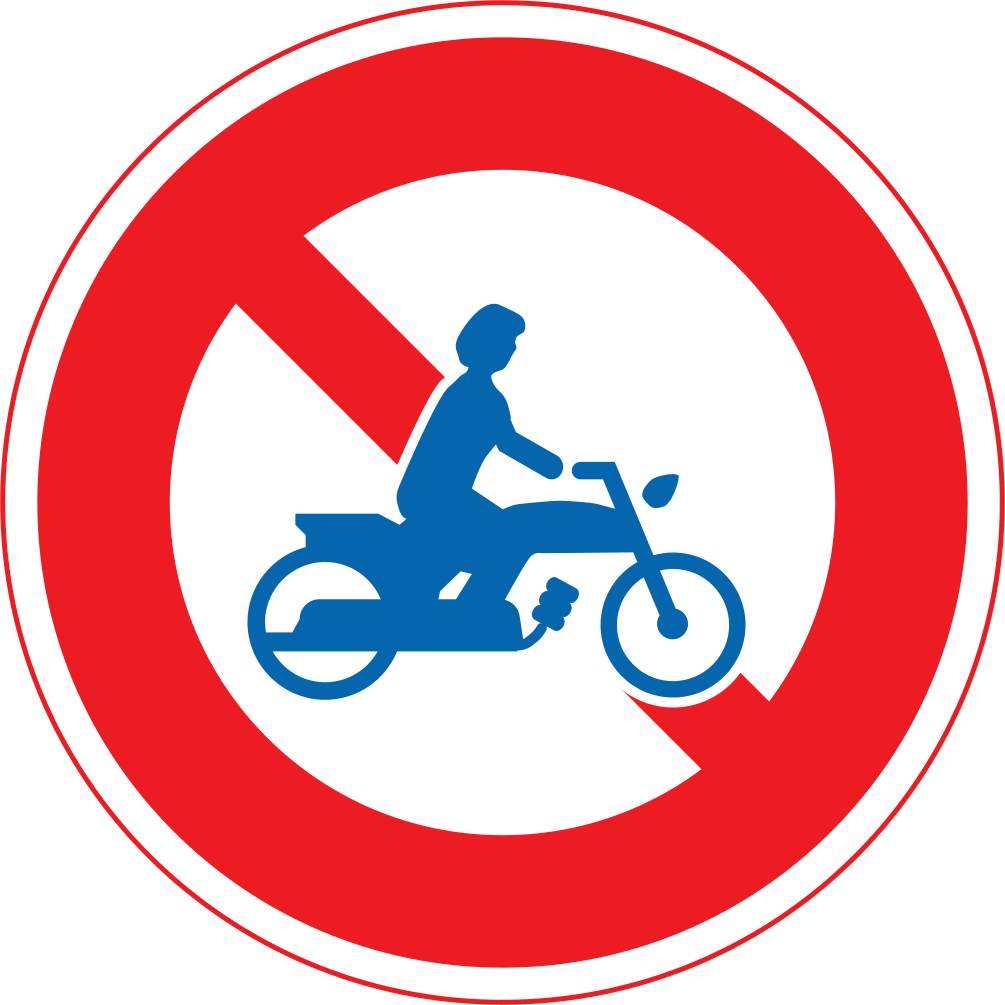
Motorcycles and mopeds may not pass. Note that bicycles (light vehicles) are not covered and may still go through.
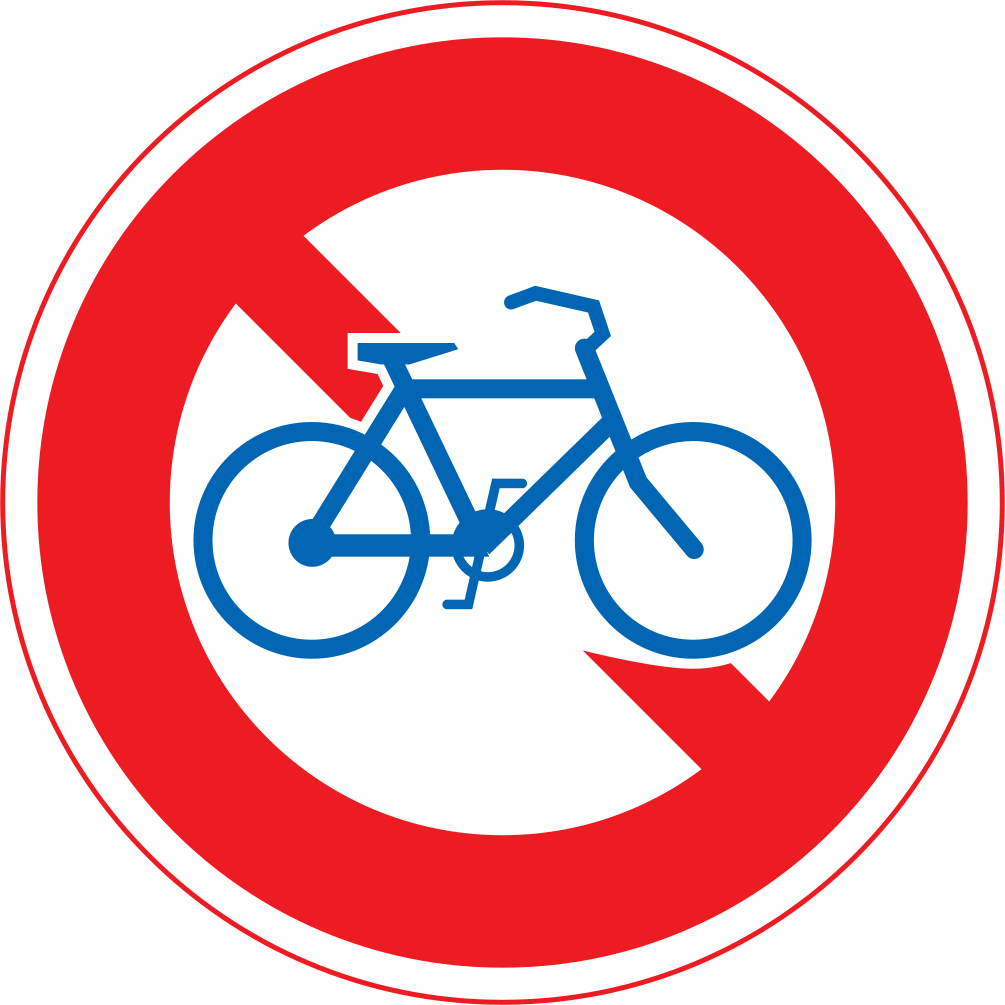
Specified small mopeds and bicycles may not pass. Distinct from the sign that bans motorcycles and general mopeds.
Pair 4: No U-turn vs No Vehicle Crossing
Both involve turning, which is why they are paired. No U-turn is about reversing your direction. No Vehicle Crossing is about crossing the opposite lane to the right — for example, turning into a shop on the far side. A U-turn is not what it bans, and a right-hand crossing is not what the U-turn sign bans.
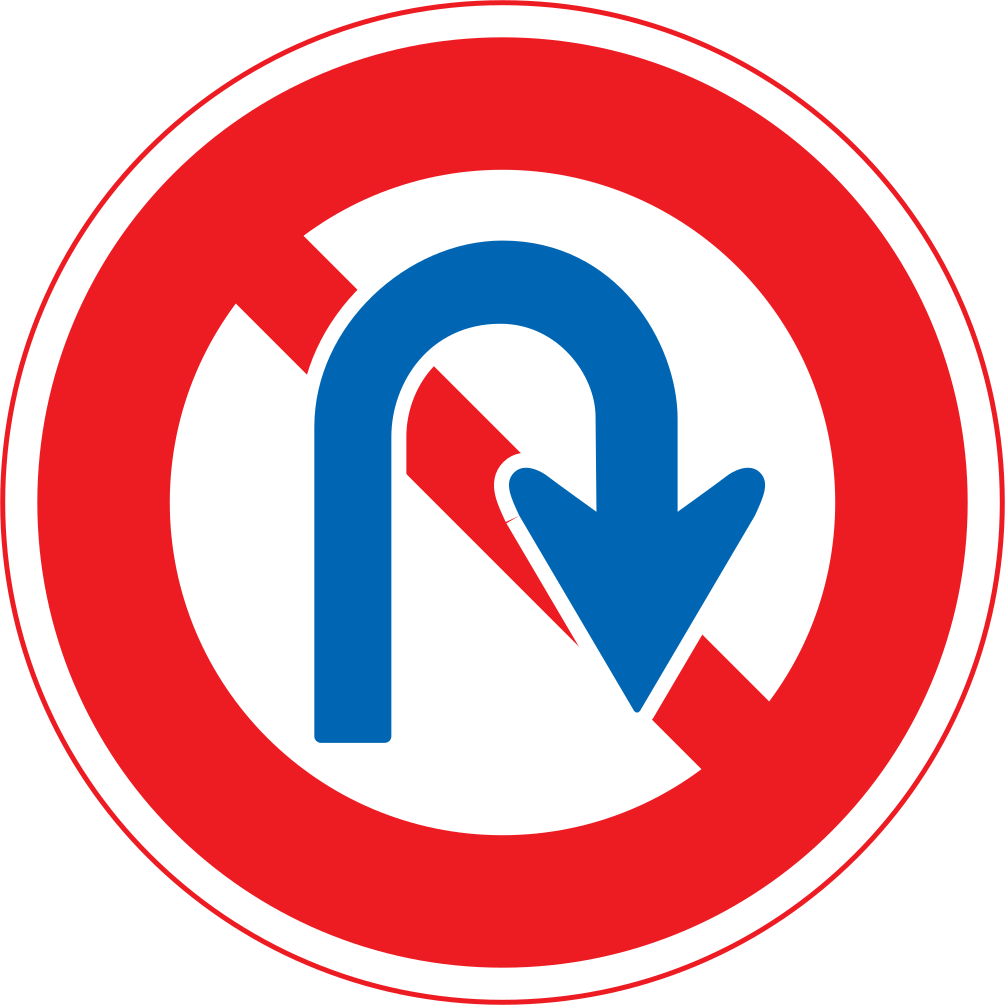
No U-turns (reversing your direction). Don't confuse it with 'No Vehicle Crossing' (312).
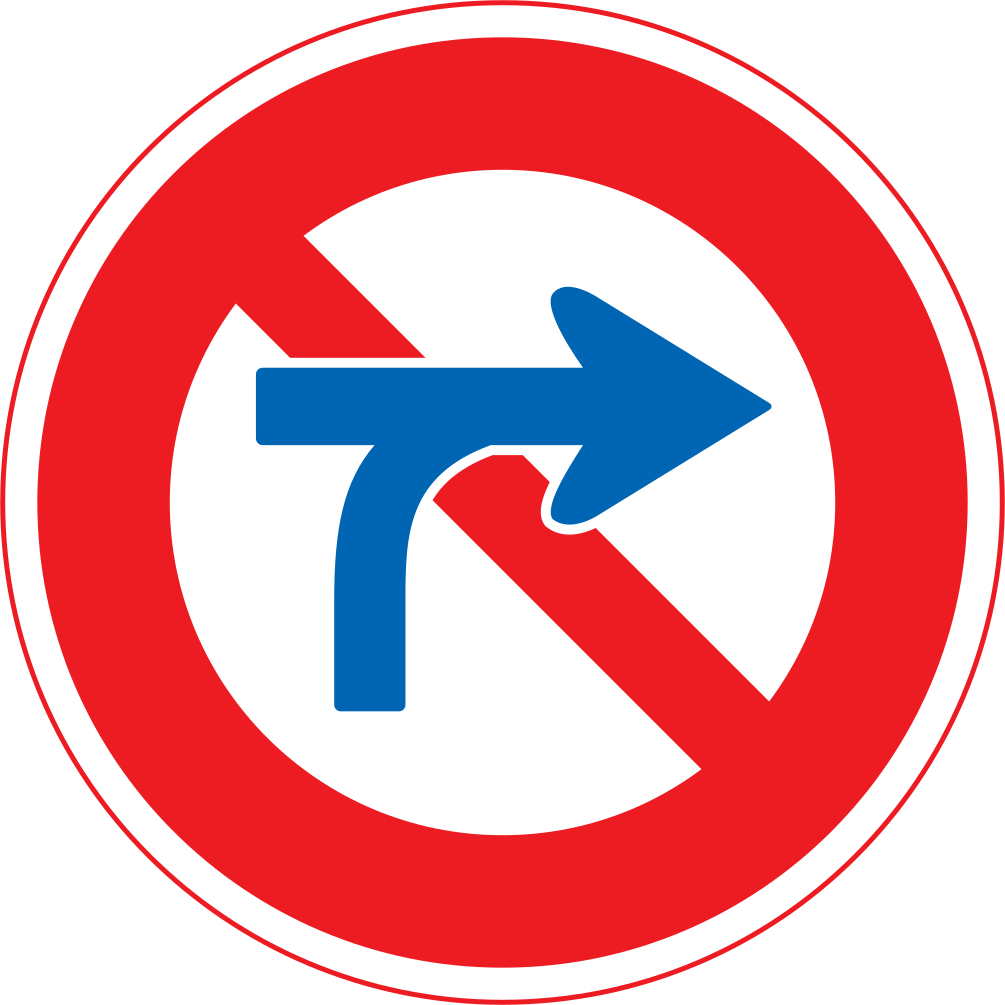
You may not turn across the road to the right (e.g. into premises on the far side). Different from 'No U-turn' (313).
Pair 5: No Passing (do not cross center line) vs a full overtaking ban
The sign that bans crossing into the right side of the road to overtake is narrower than a general overtaking ban. If you can overtake without crossing over, this sign alone does not forbid it. Questions test whether you apply the narrower meaning.
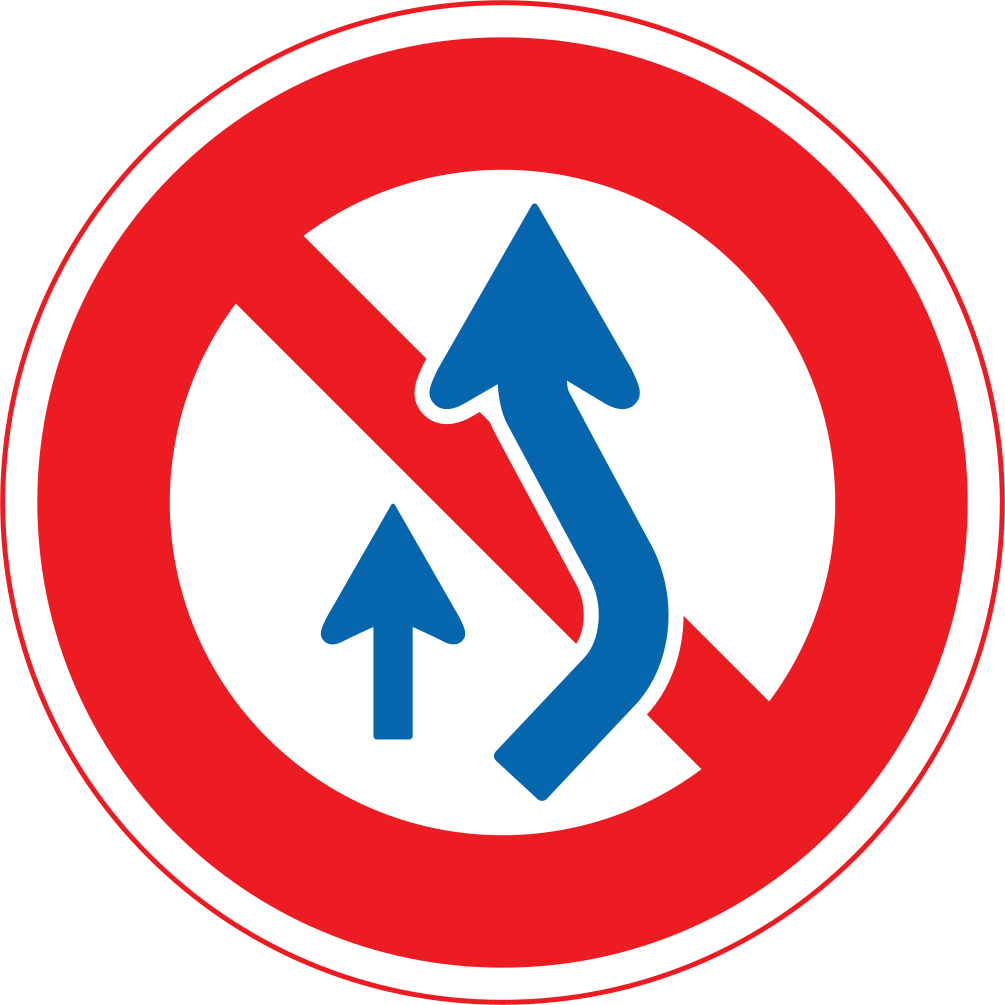
You may not cross into the right side of the road to overtake. Unlike a full 'No Overtaking', overtaking without crossing over is still allowed.
Pair 6: Weight Limit vs Height Limit vs Maximum Width
Three number signs, three different measurements: gross weight, height from the ground including the load, and vehicle width. The trap is applying the wrong measurement — a question may give a truck's height and show the weight-limit sign.
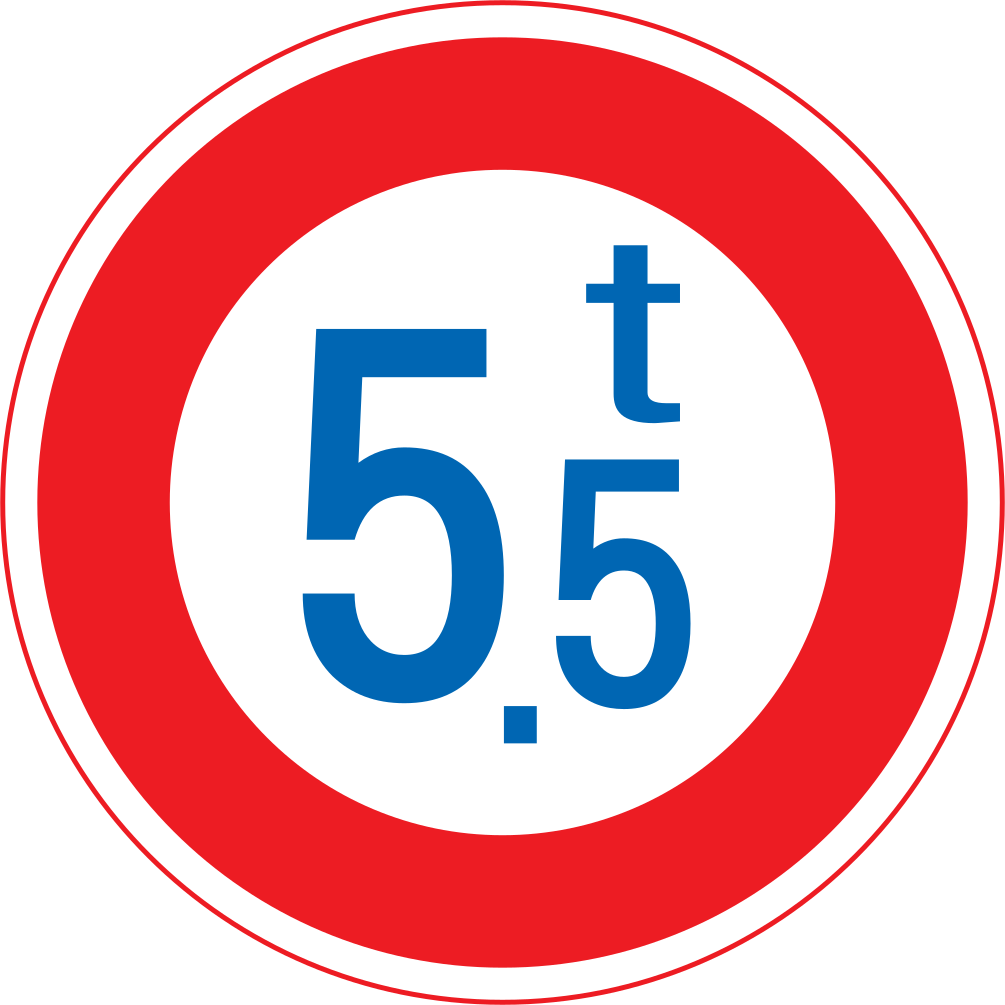
Vehicles heavier than the posted gross weight (e.g. 5.5 t) may not pass. Judged by the vehicle's weight.
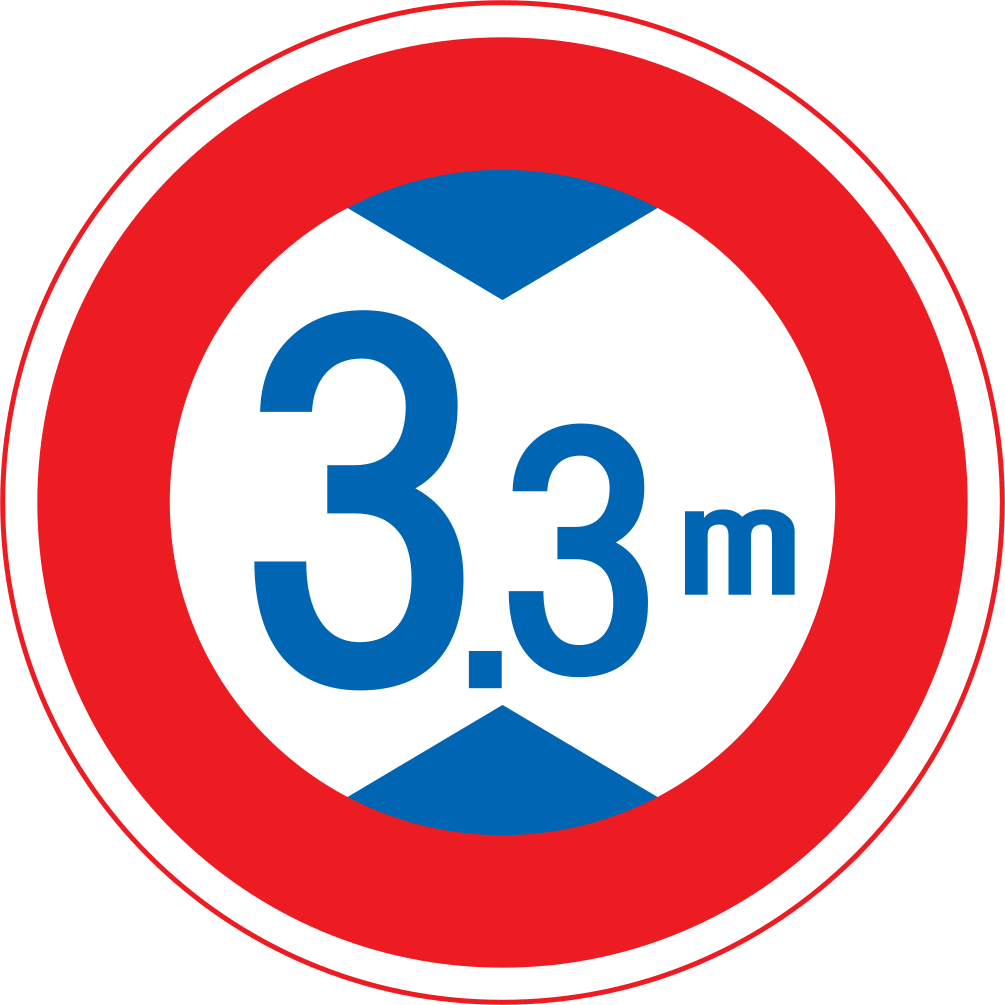
Vehicles taller than the posted height (e.g. 3.3 m), load included, may not pass.
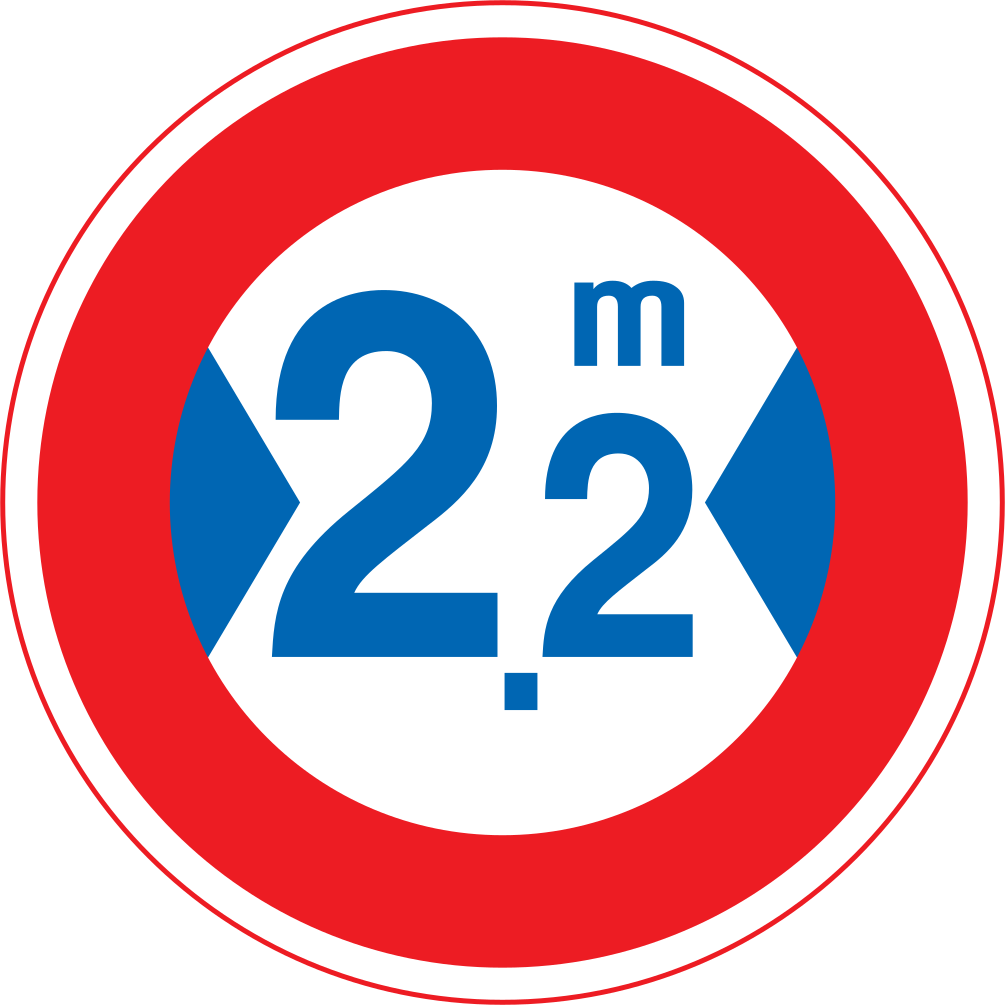
Vehicles wider than the posted width (e.g. 2.2 m) may not pass.
Pair 7: Maximum Speed vs Minimum Speed
Both show a number, so they are easy to swap. The maximum-speed sign (a red-bordered white circle) is a ceiling; the minimum-speed sign (a blue circle) is a floor that you may not drive below. Where no maximum-speed sign is posted, the statutory limit still applies: on ordinary roads, 60 km/h where there is a center line or marked lanes and, since September 2026, 30 km/h where there is not.
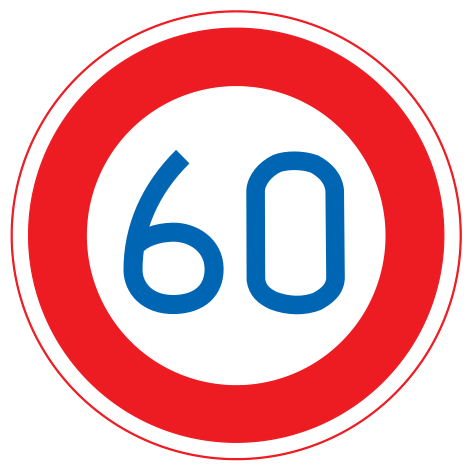
Do not exceed the posted speed (e.g. 60 km/h). Where no sign is posted, the statutory limit applies.
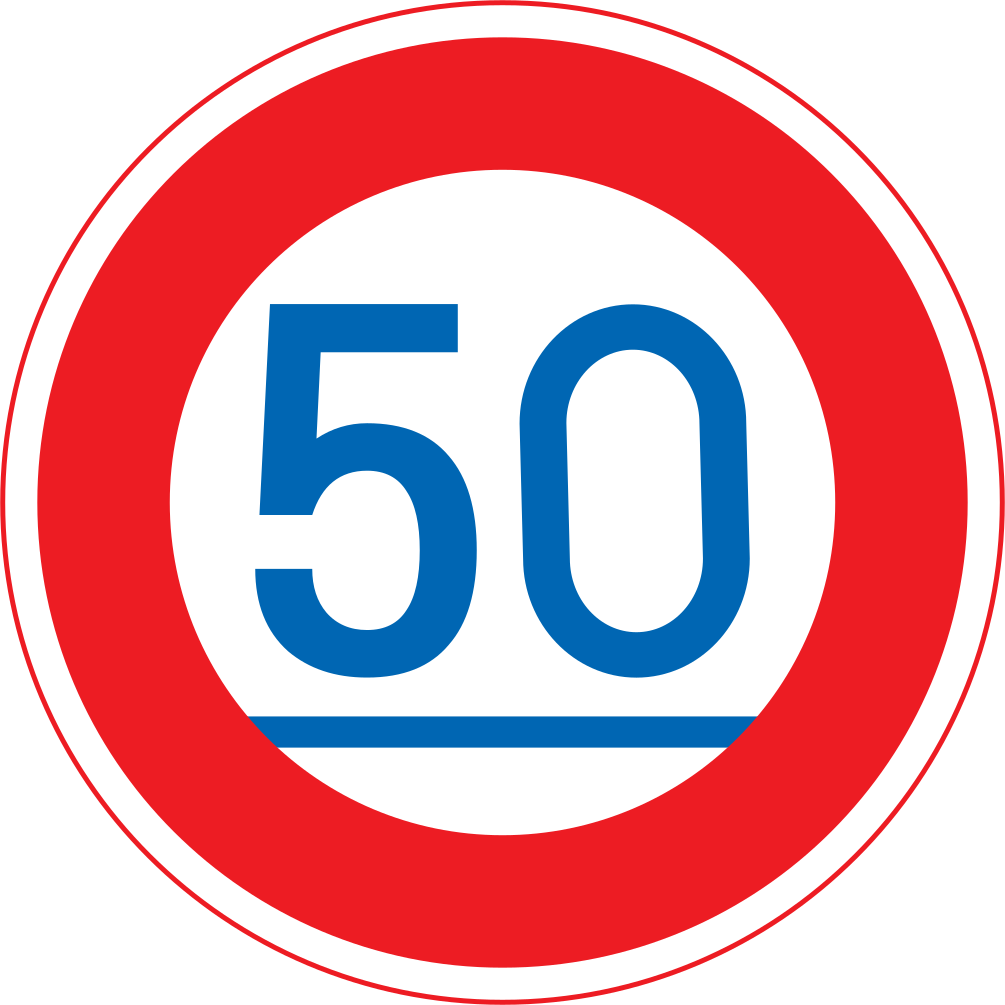
Do not drive below the posted speed (e.g. 50 km/h). Seen on expressways and similar roads.
Pair 8: the “only” signs — who is allowed in?
Motor Vehicles Only, Bicycles Only, Bicycles and Pedestrians Only, and Pedestrians Only are positive signs: they list who may use the road. Everyone not listed is barred. Learn them as a ladder of who is allowed — it is the mirror image of the scope ladder above.
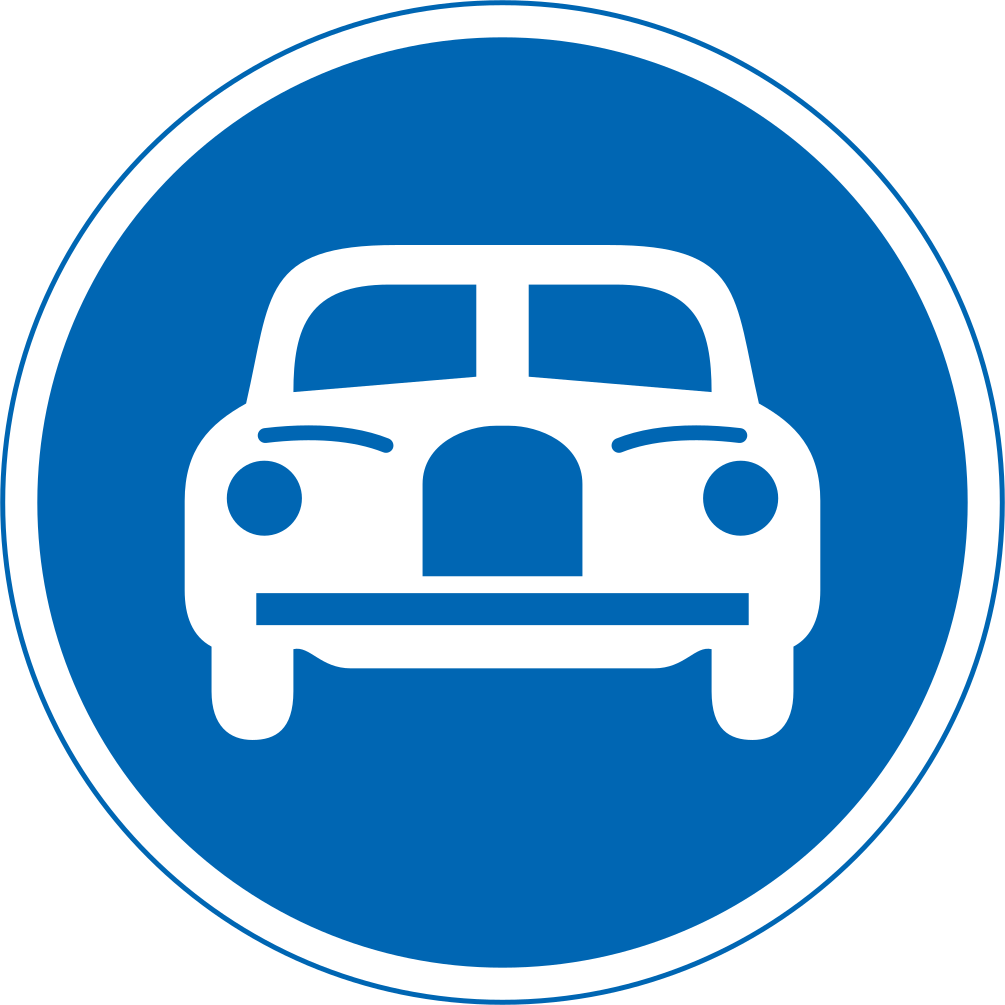
Marks a motor-vehicle-only road. Mopeds, light vehicles, and pedestrians may not enter. Common on expressways.
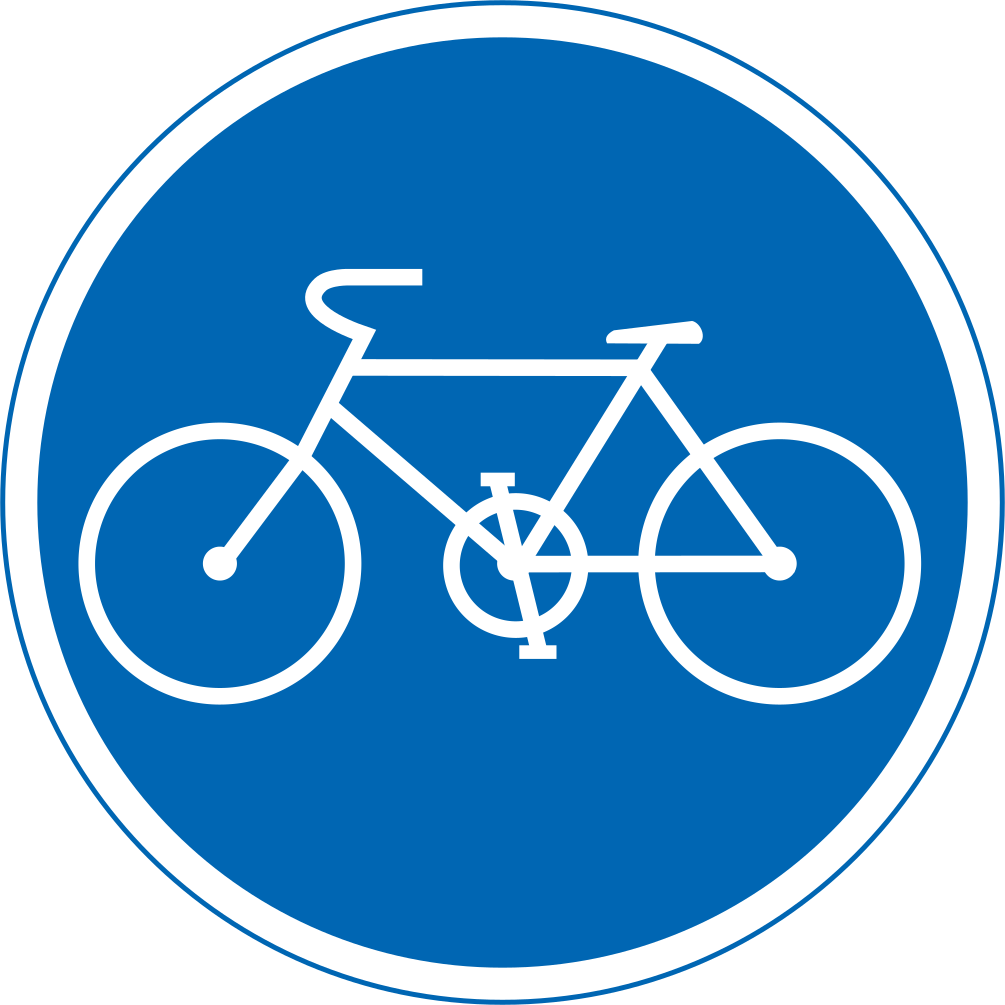
Only specified small mopeds and bicycles may use this way. Pedestrians and other vehicles may not enter.
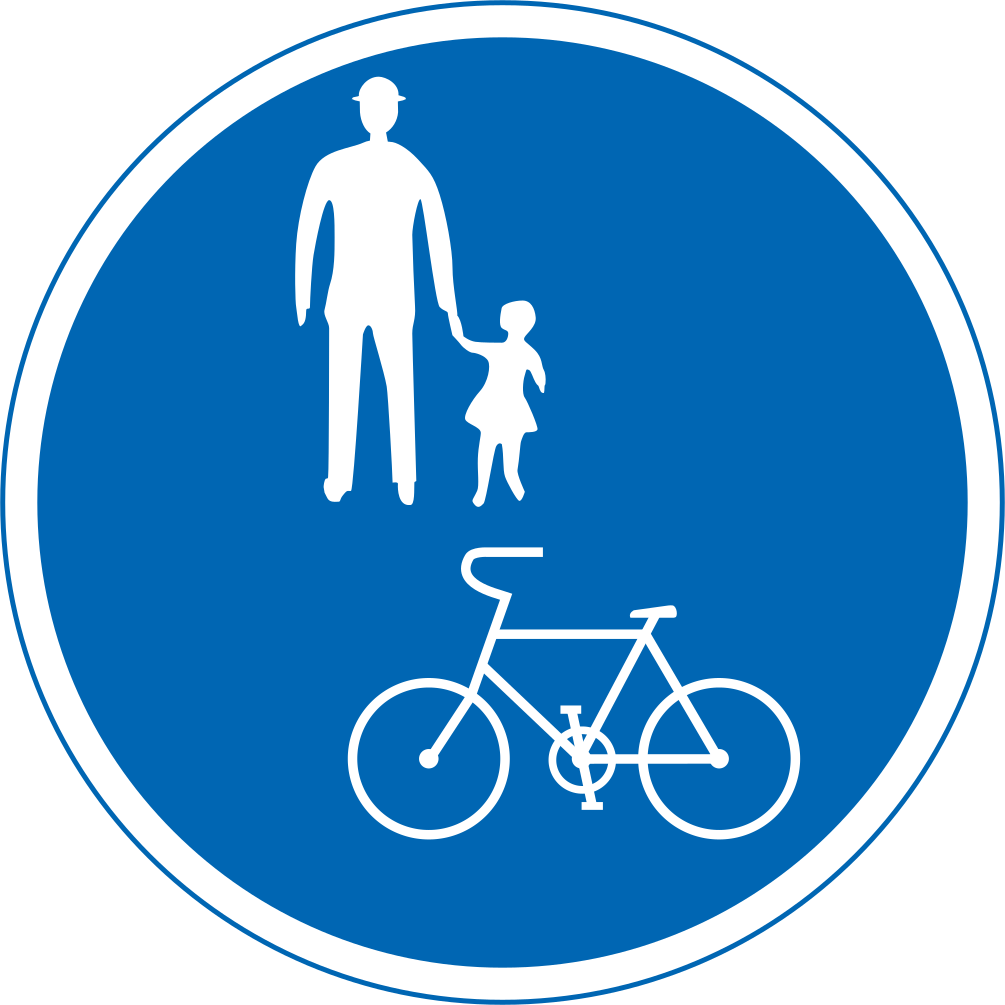
Only specified small mopeds, bicycles, and pedestrians may use this way. Cars and general mopeds may not.
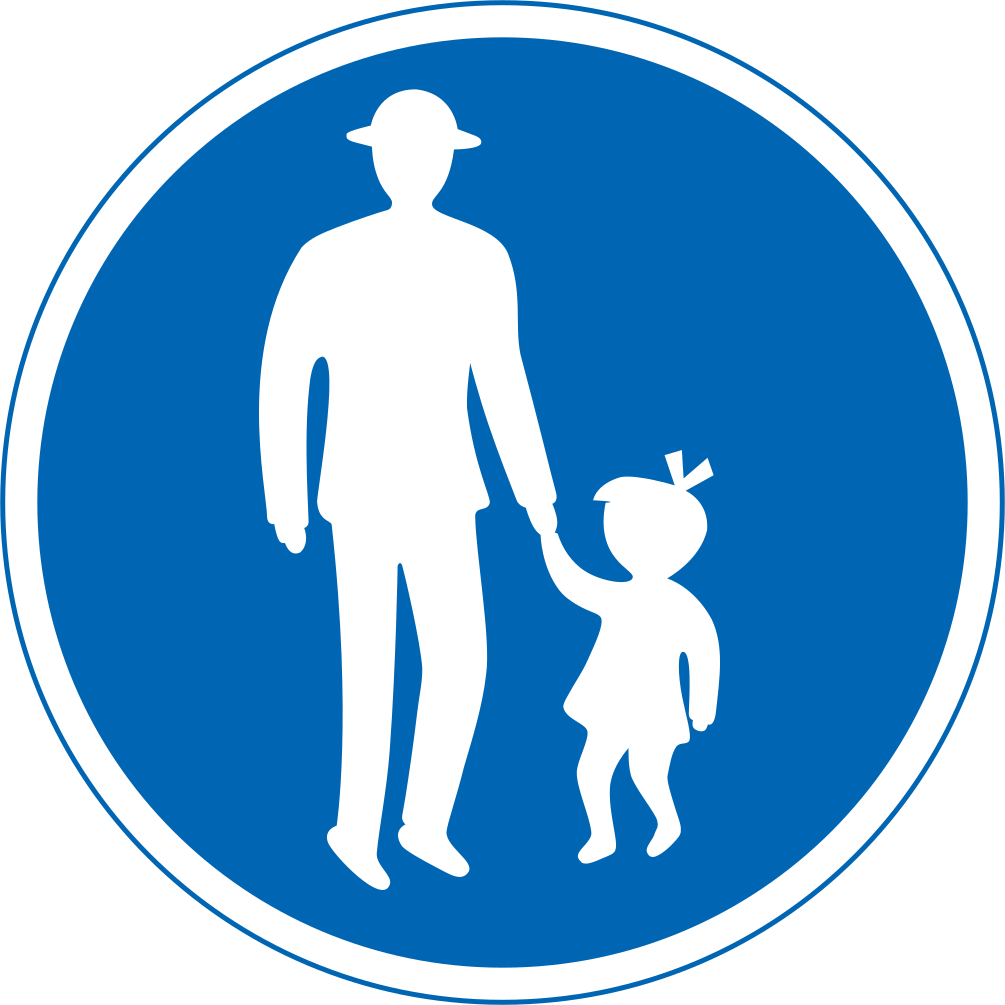
Only pedestrians may use this way. Vehicles are barred in principle (except permitted ones, e.g. reaching a garage).
How to practice
- Cover the sign name and say aloud who is banned and who is still allowed. Check against the explanation.
- Study pairs together, never one sign at a time — the test presents them as contrasts.
- Browse the full road sign reference (192 signs, road markings and signals with exam-point explanations), test yourself with the road sign quiz, then run the sign-focused questions in Chapter 1.
See also 10 trick questions on the test for the non-sign traps, and the license conversion guide for the full process.