MenkyoQuest
COMPLETE GUIDE

How to Get a
Japanese Driving License

Getting a Japanese driving license, starting from zero knowledge. A beginner-friendly guide that fits the whole journey — from picking a driving school to passing the full-license written test — into a single page (8 steps total). Practice questions for the written test are covered by MenkyoQuest's chapter-by-chapter quests (510 AI-explained questions in total). Steps marked ⭐ are where MenkyoQuest helps the most.

ALREADY HAVE A FOREIGN LICENSE?

If you already hold a driver's license issued outside of Japan, you don't need to start from zero — you can convert it (called gaimen kirikae, 外免切替) through a much shorter process. See the Foreign License Conversion guide for documents, the 50-question test (90% to pass since October 2025), and test centers in all 47 prefectures.

ROADMAP
EACH STEP
STEP 1

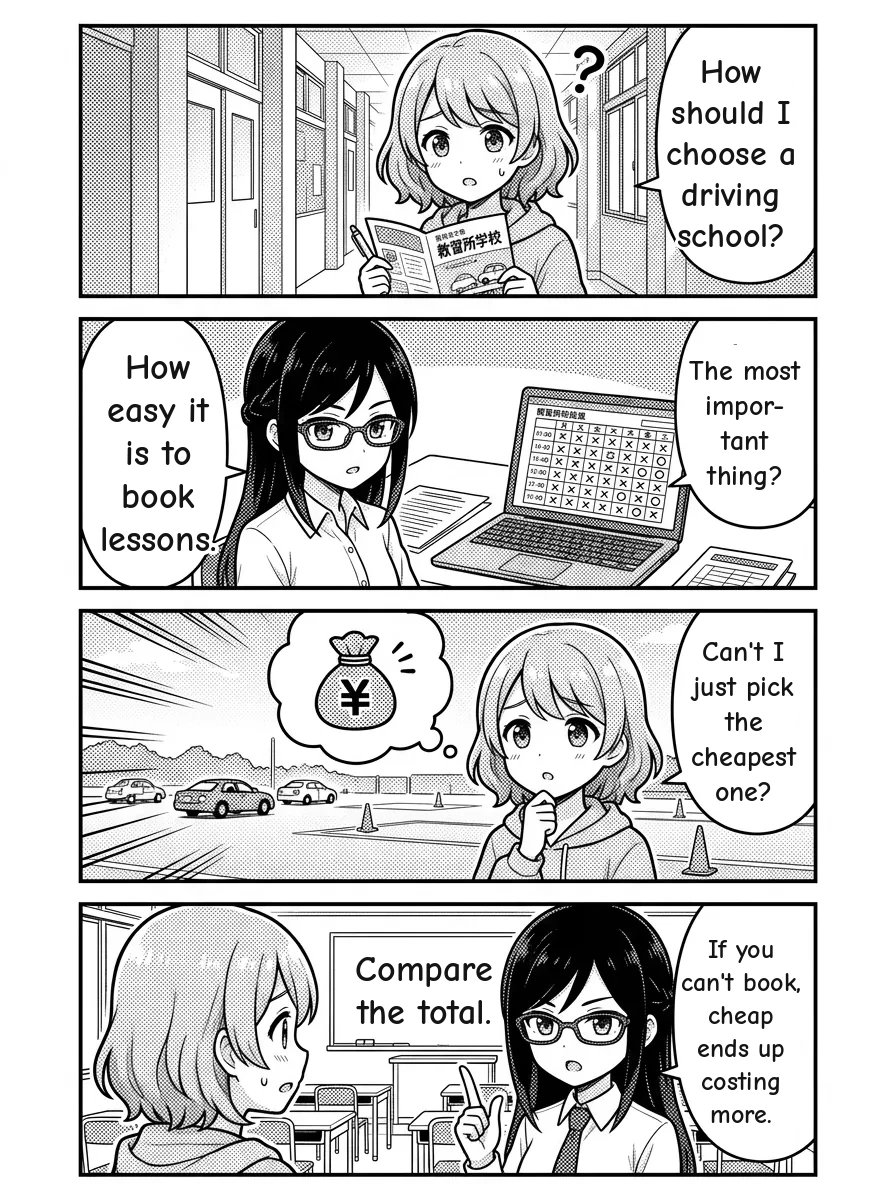
Research & Pick a Driving School

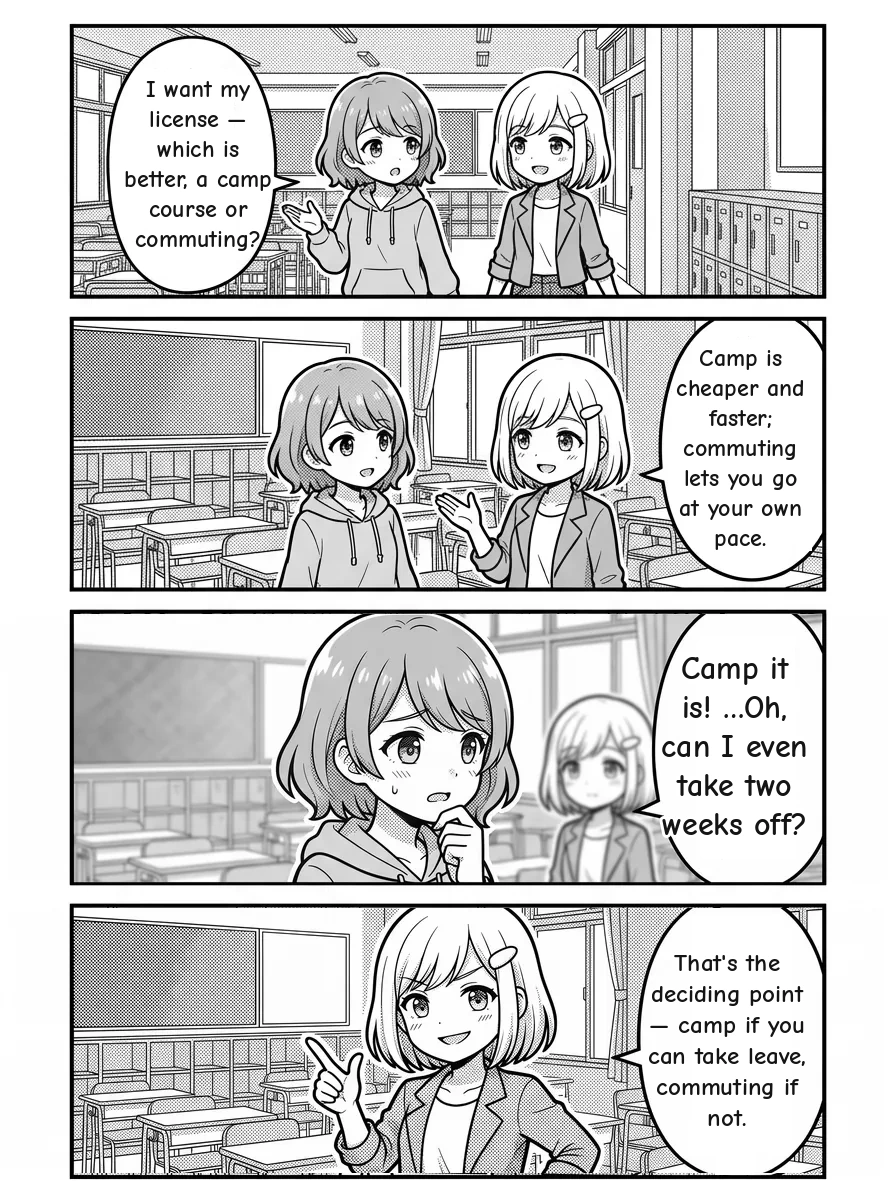
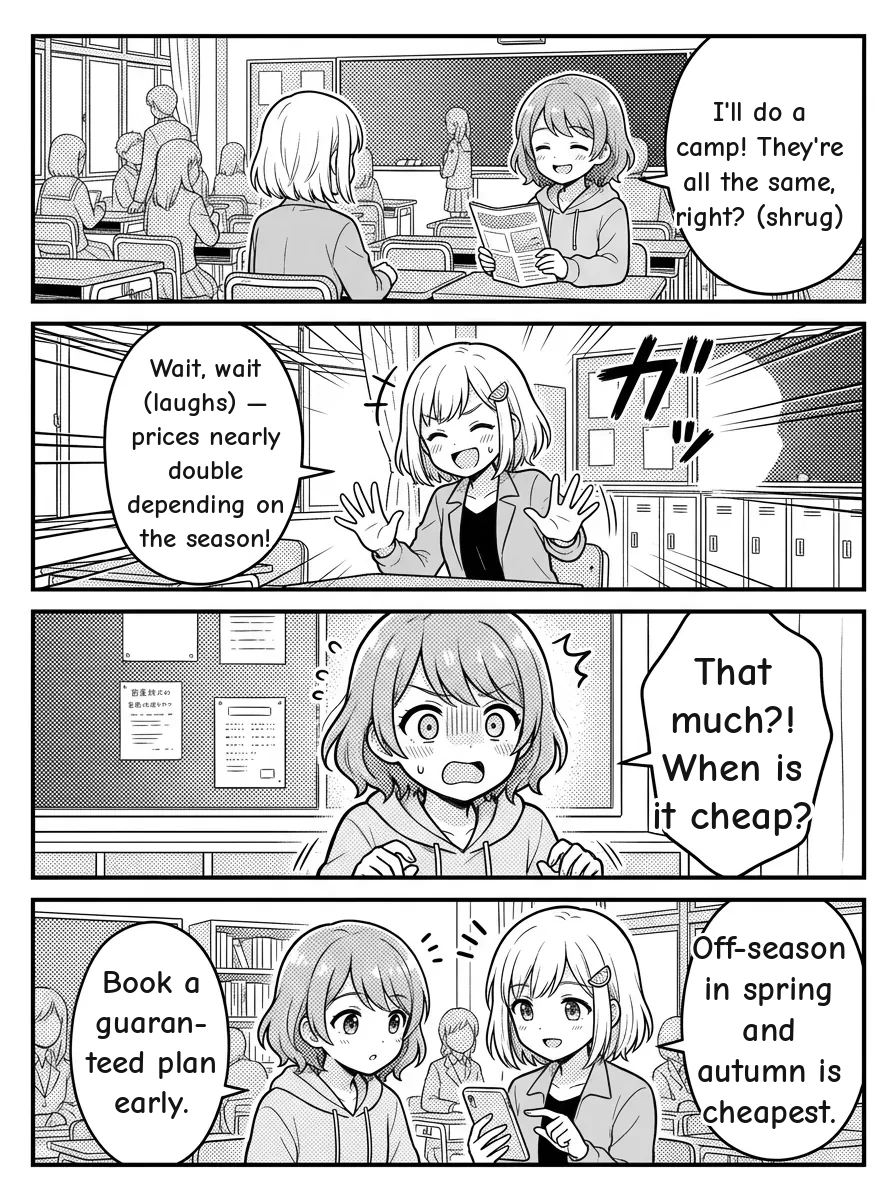
To get a Japanese driving license you typically attend an authorized driving school (jidousha kyoushuujo). There are two main formats. Camp-style (gasshuku) is an intensive 2-week stay at a regional school with meals and lodging included for around ¥200,000–300,000. Commuting (tsuugaku) means visiting a local school in your spare time over 3–6 months — slightly more expensive (¥280,000–350,000) but flexible. Camp suits students and workers with chunks of leave; commuting suits busy professionals.

STEP 2

Enrollment

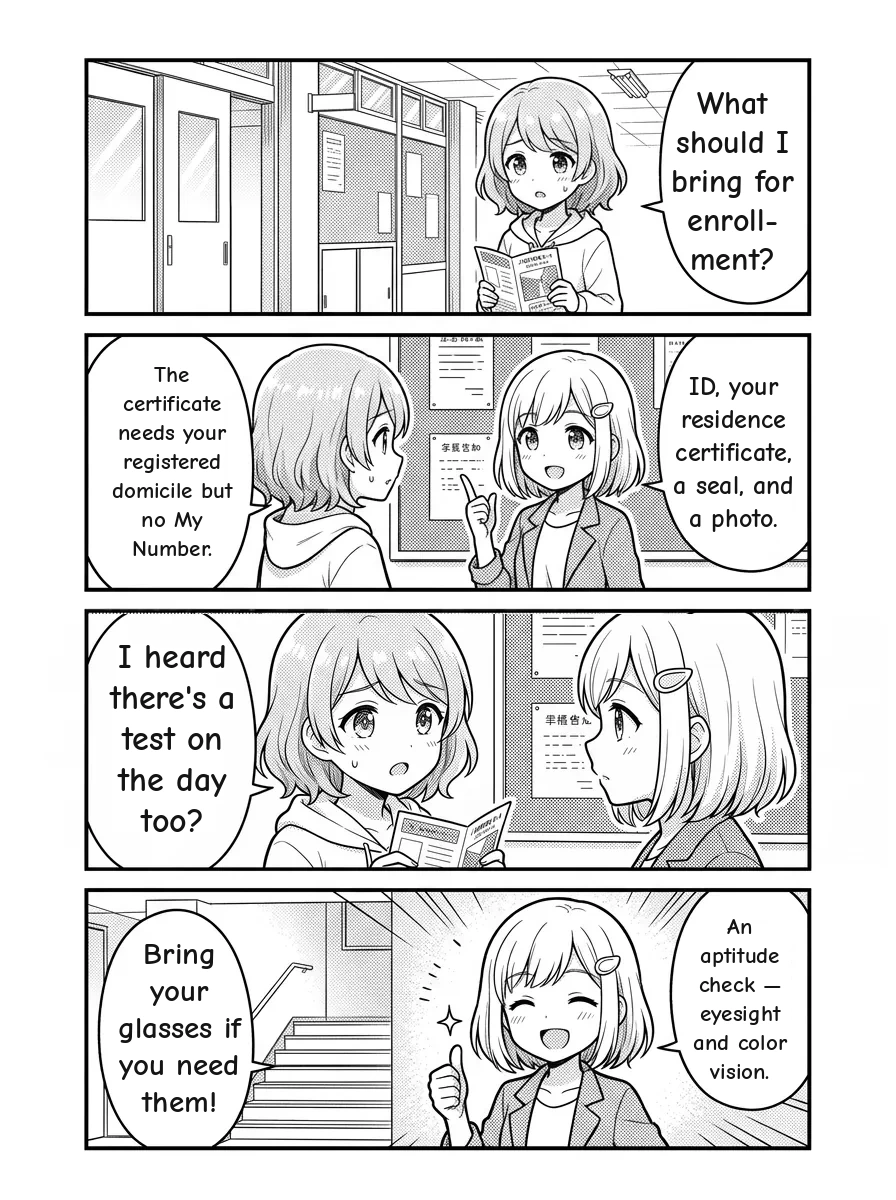
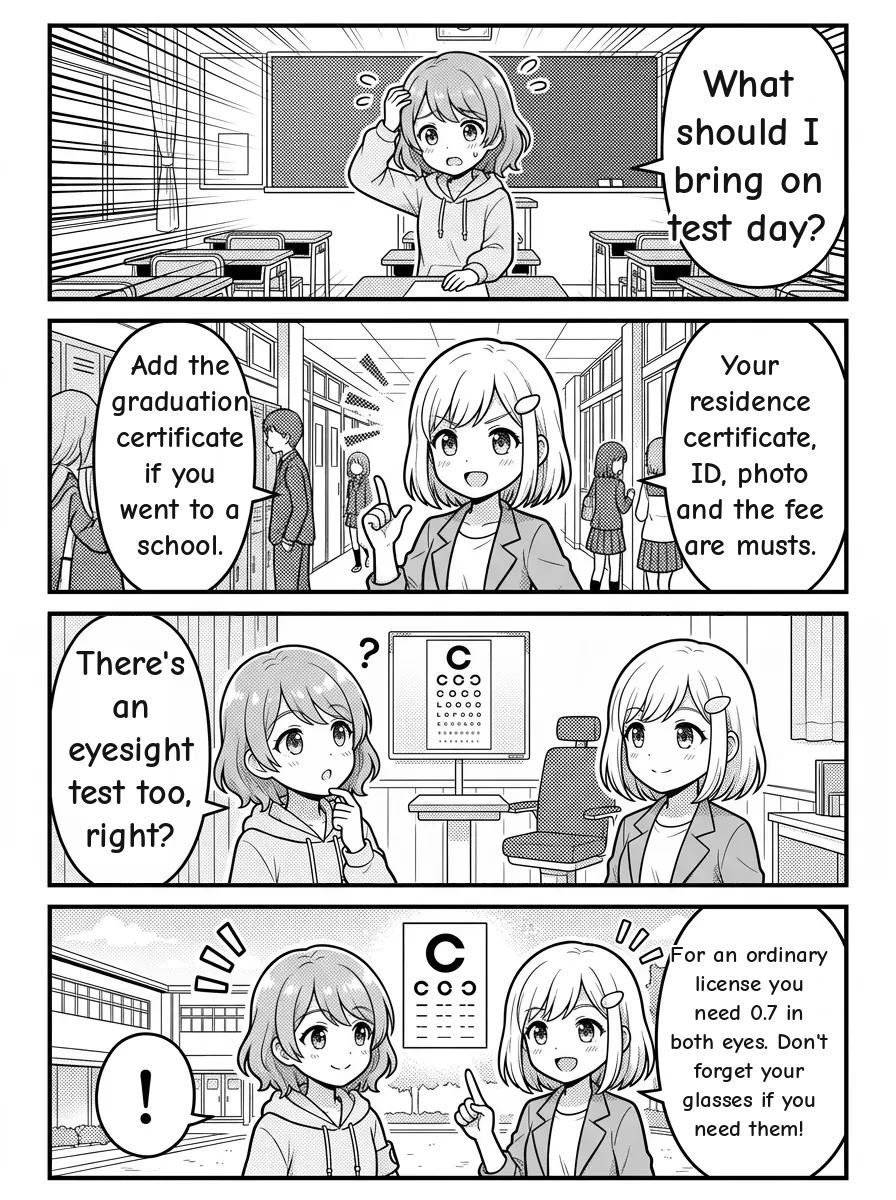
Once you've chosen a school, enroll with these documents: government ID (health insurance card + student ID etc.), a juuminhyou (resident certificate) issued within the last 3 months without the My Number on it, a personal seal (inkan), a passport-style photo (3cm × 2.4cm), and vision that meets the standard (0.7+ both eyes / 0.3+ each eye). An aptitude test on enrollment day checks vision and color recognition. Tuition is usually payable up front or in installments.

STEP 3

Stage 1 — On-Course Training

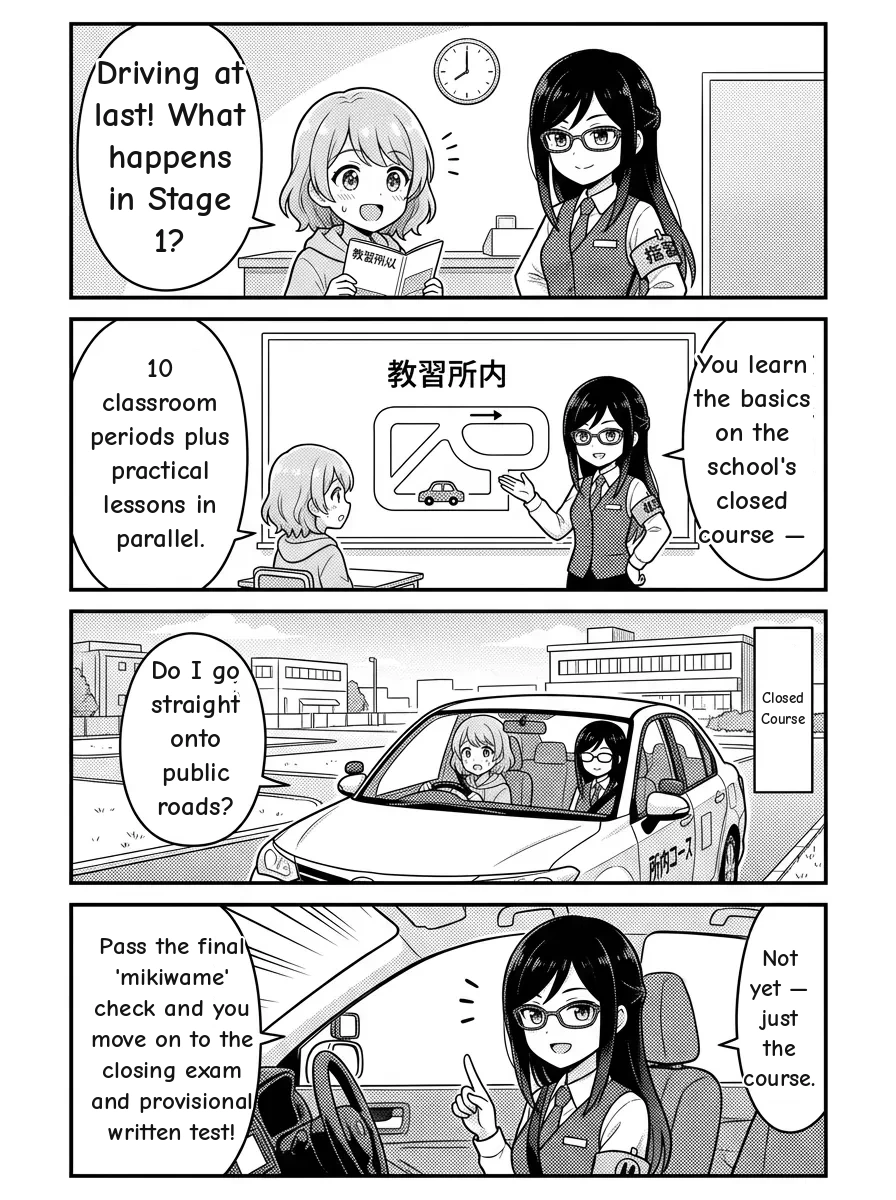
Stage 1 covers basic car control on the school's closed course. You take 10 classroom periods (traffic rule fundamentals, signals, signs, driver conduct) and 15 practical driving lessons (start/stop, curves, three-point turns, hill starts) in parallel. The stage closes with a mikiwame (readiness check); pass it and you move on to the provisional license written test. Camp-style learners finish Stage 1 in about a week, commuters in 1–2 months.

STEP 4

Provisional Written Test + Closing Exam

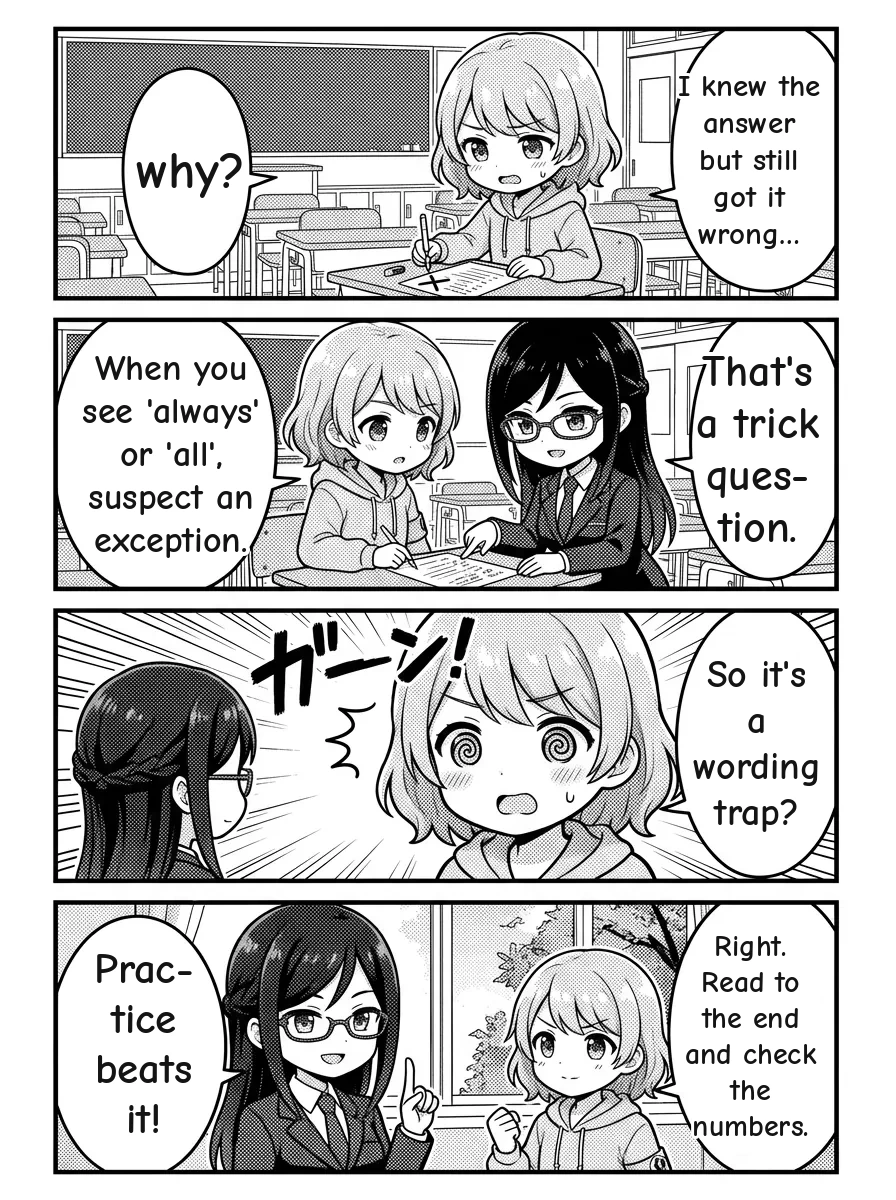
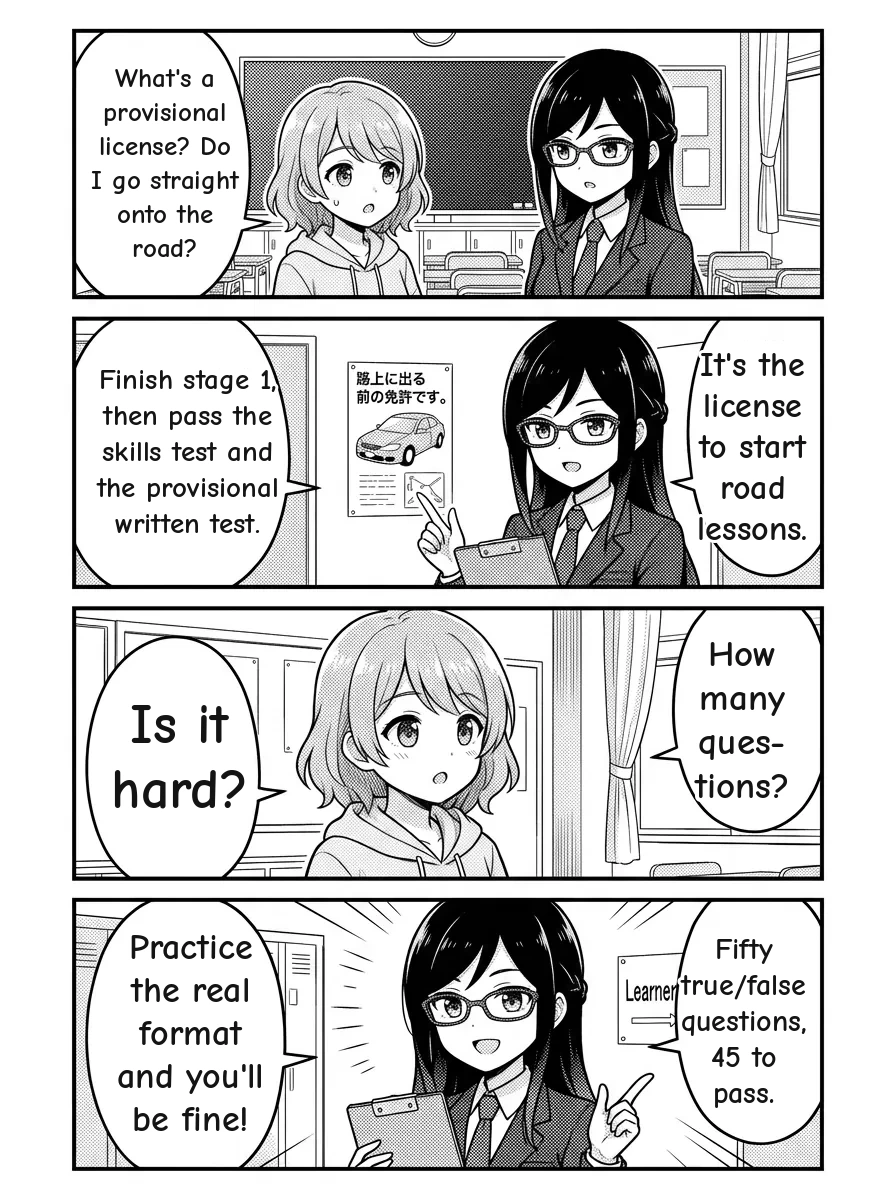
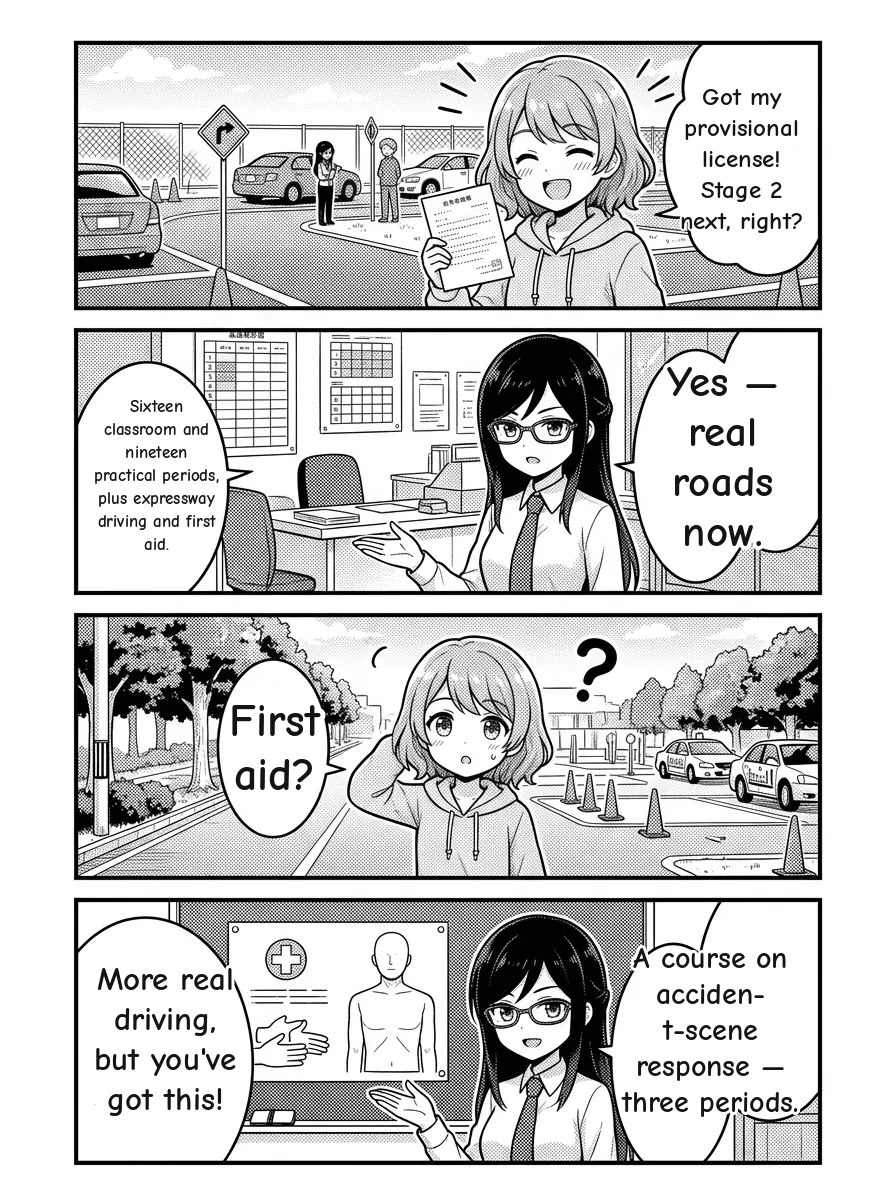
Stage 1 closes with a shuuryou kentei (practical closing exam) and the provisional written test — 50 multiple-choice questions, 45+ correct to pass (90%). Pass both and you receive a karimenkyoshou (provisional license) that lets you drive on public roads with an instructor. The provisional test draws mainly from Chapters 1–4 of the official Rules of the Road. MenkyoQuest's 510 AI-explained practice questions let you repeat those chapters as many times as you like — the best way to spot trick questions before they spot you.

STEP 5

Stage 2 — Road Training

After getting your provisional license, you move to Stage 2: 16 classroom periods (expressways, hazard prediction, emergency first aid, etc.) and 19 practical lessons (real-road, expressway, and night driving). On-road training covers intersections, overtaking, parking, lane changes, and more. The 3-period first-aid course teaches accident-scene response. Camp-style: about a week. Commuting: 1–3 months.

STEP 6

Graduation Exam

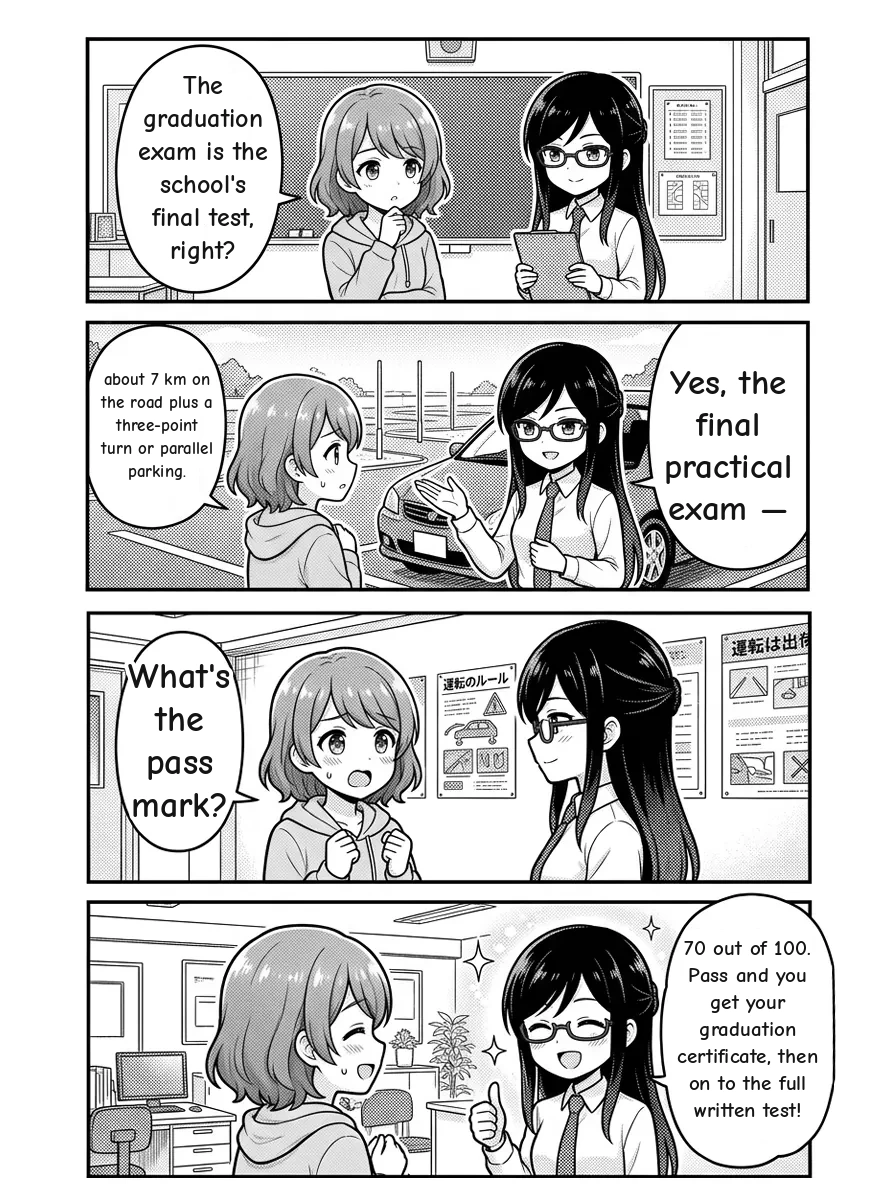
The school's final gate is sotsugyou kentei (graduation exam): a roughly 7 km road segment plus on-course maneuvers (three-point turn or parallel parking). Scored out of 100, you need 70+ to pass. Examiners grade safety checks, smoothness, and rule compliance overall. Pass and you receive a sotsugyou shoumeisho (graduation certificate) — valid for one year — granting eligibility for the final written test.

STEP 7

Full License Written Test

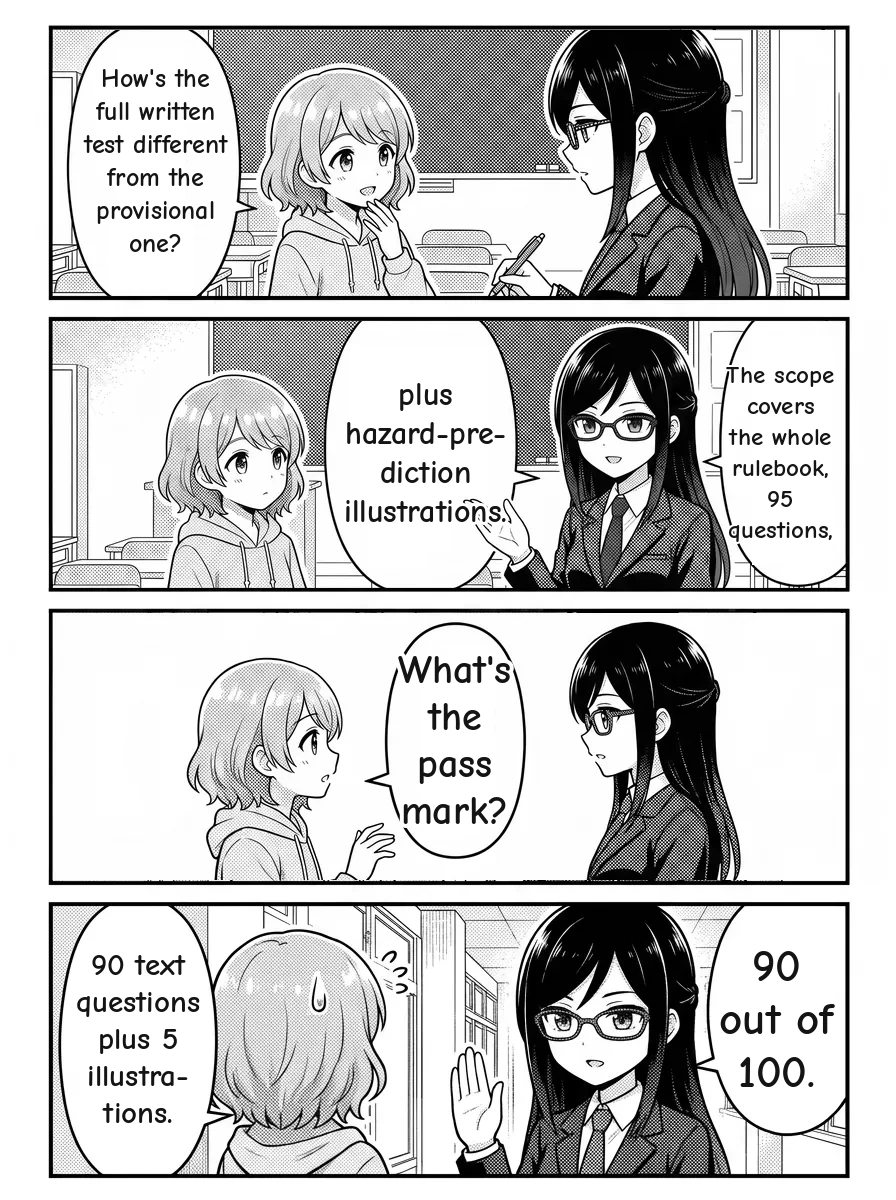
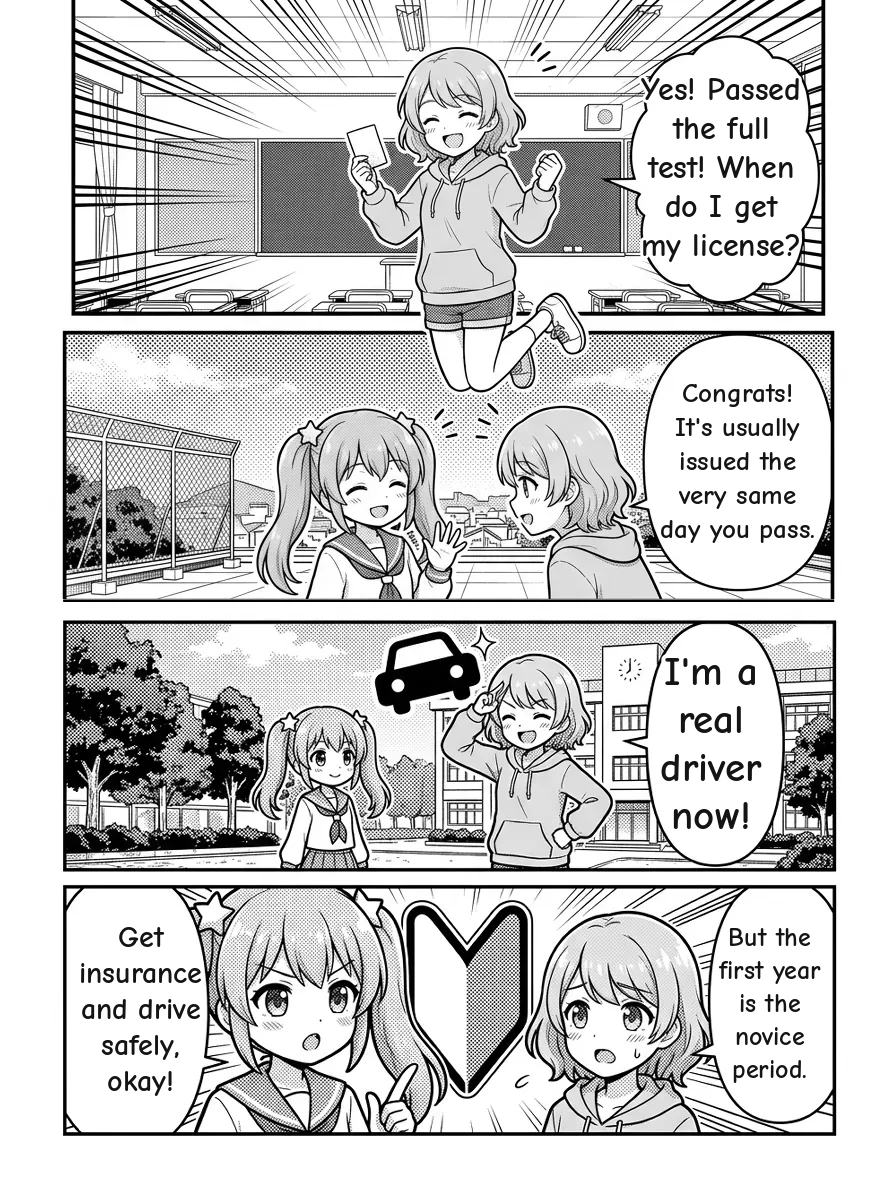
After graduation you take the full-license written test at the licensing center (unten menkyo shikenjou) in your prefecture of residence. 95 questions: 90 ○/× items at 1 point each + 5 illustration questions at 2 points each = 100 points total. 90+ to pass. The entire Rules of the Road book is in scope. The test day also includes a vision check and aptitude test. Pass everything and your driving license is issued the same day. The full test is based directly on the National Police Agency's Rules of the Road — and that is exactly the source MenkyoQuest's 510 AI-explained practice questions are grounded in. It is the most effective preparation tool you can keep on your phone.

STEP 8

License Issued — Driver Debut

After passing the full written test, your license is issued on the spot. The first license is typically valid for 3 years (5 for repeat issues with a clean record). The first year is the shoshin untensha (novice driver) period — accumulating 3 or more points means a mandatory re-test. Voluntary (non-mandatory) insurance is essentially a must in practice. For the first weeks, riding with an experienced driver or taking a refresher lesson is a sensible idea.

COMPARE · Camp vs Commute

Camp-Style vs Commuting — Full Comparison

AspectCamp-StyleCommuting
Duration2–3 weeks3–6 months
Cost range¥200K–300K¥280K–350K
Meals & lodgingOften includedFrom home
ScheduleFixed (intensive)Flexible (own pace)
Best forStudents / long-leave workersWorkers tied to weekdays
ProsShort, cheaperEasier to balance with work
ConsNeeds continuous time off; remoteTends to drag on; more expensive

Bottom line: if you can take a long break, camp-style wins on cost-efficiency. If you can't take time off on weekdays, commuting is the right call. Either way, you can prep for the written test (past-question practice) alongside it with MenkyoQuest.

FAQ

Driving License Q&A

How long does it take to get a Japanese driving license?

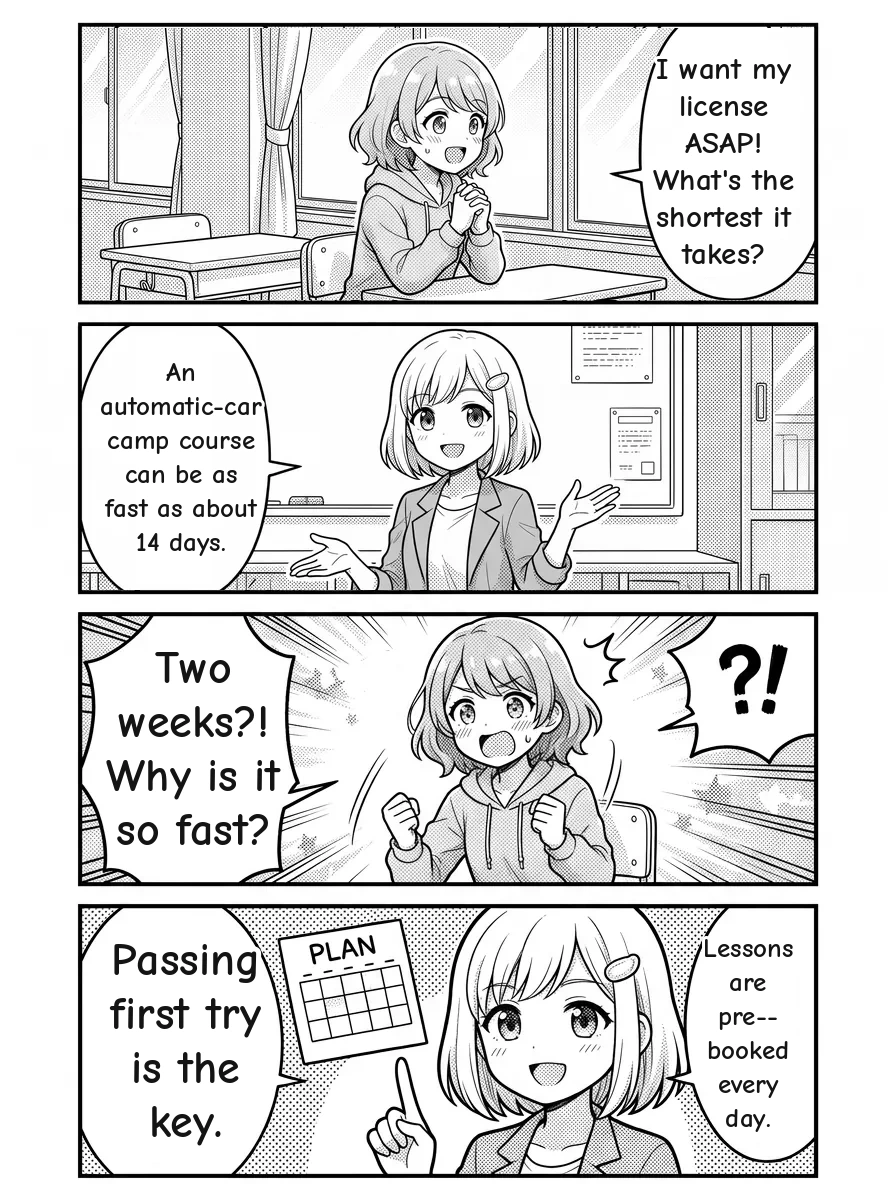
Roughly 2–3 weeks via camp-style schools, or 3–6 months via commuting. The fastest record is 14 days at a camp-style school. Working adults attending only on weekends can take 6+ months.

Which is cheaper — camp-style or commuting?

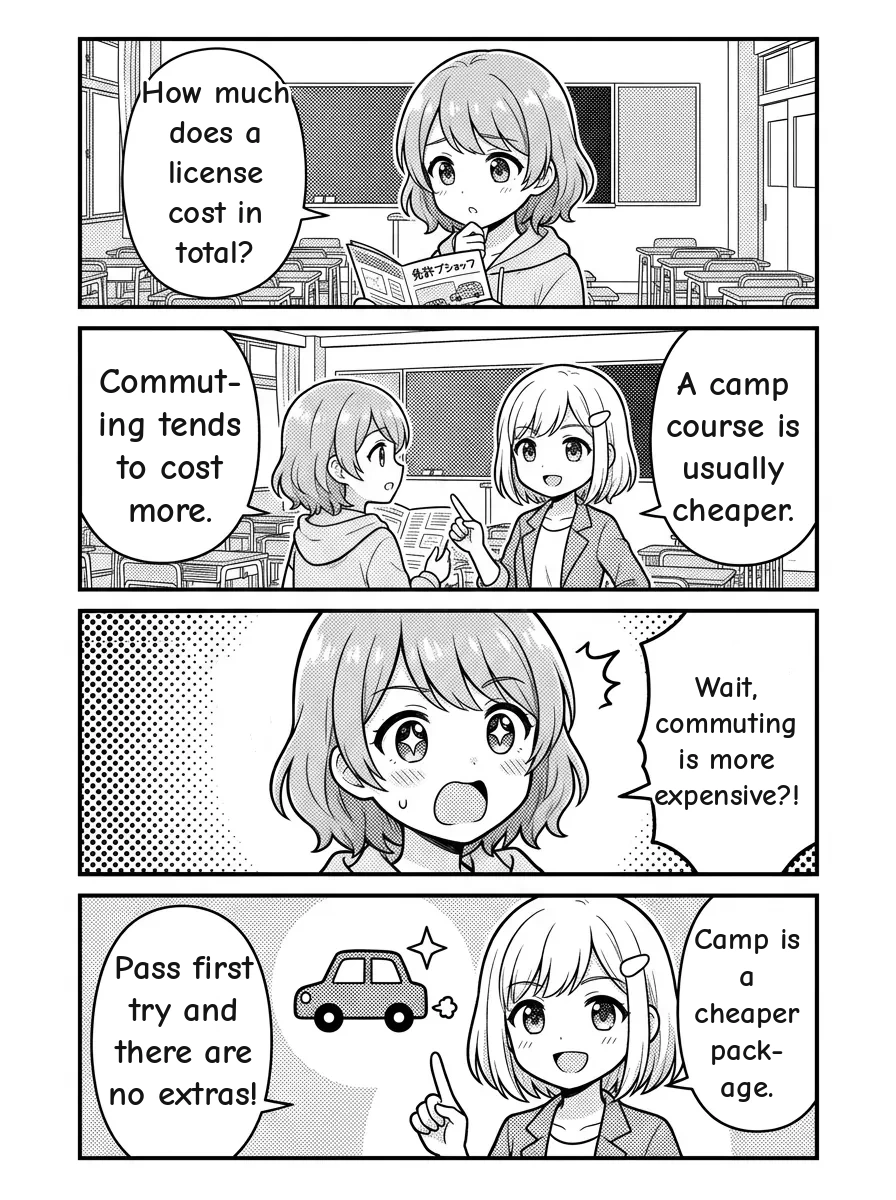
Camp-style is typically ¥200,000–300,000 (including meals and lodging) while commuting is ¥280,000–350,000 — camp-style is about ¥50,000–80,000 cheaper. Note that camp-style prices rise in peak seasons (spring/summer school breaks).

What's the passing score on the provisional written test?

50 multiple-choice questions, 45+ correct (90%) to pass. You can retake it as many times as needed. MenkyoQuest's 510 questions based on the official Rules of the Road give you unlimited practice.

What happens if I fail the full-license written test?

You can retake it any number of times. Each retake costs ¥1,750 (stamp fees etc.). There's no retry limit, so take your time to review the Rules of the Road before retrying.

What's the novice driver period?

The first year after getting your license is the novice driver period (shoshin untensha). If you accumulate 3+ traffic violation points (or one serious violation), you must take a novice-driver course or face a re-test.

What's the difference between provisional and full license?

A provisional license (karimenkyo) lets you drive on public roads only with an instructor — it's used during training. The full license (honmenkyo) lets you drive alone. The path: provisional written test (50 Q) → on-road training → graduation exam → full written test (95 Q).

Should I get an AT-only or MT license?

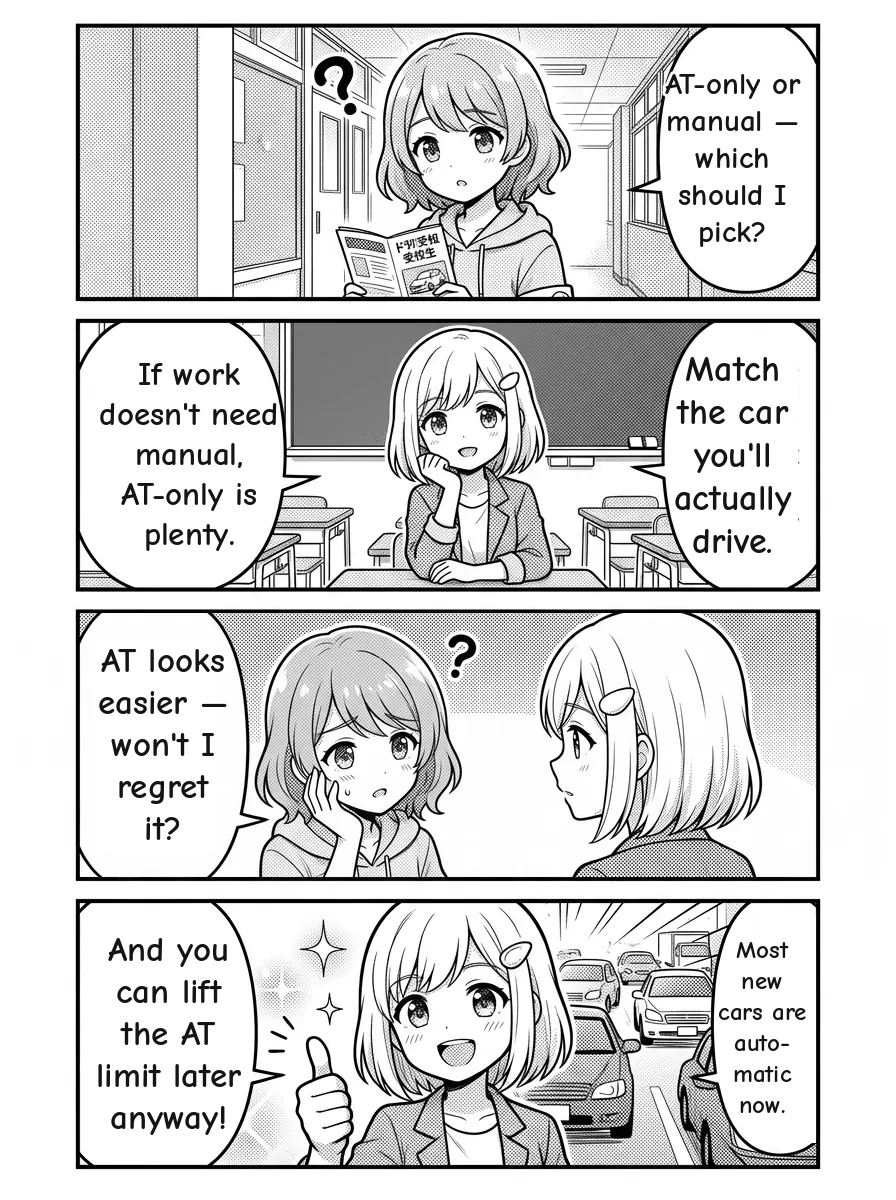
For everyday driving, AT-only is enough (~90% of new drivers choose it). Choose MT if you need it for work or hobby. You can upgrade AT-only to MT later in 1–2 weeks for an extra ¥40,000–60,000.

Can I get a license if I have weak eyesight?

You need 0.7+ in both eyes (or 0.3+ in each eye), or 0.7+ in one eye with a 150° visual field. Glasses and contacts are OK. If you meet the standard, your license will have an 'eyewear required' condition.

Now — let's tackle the written test

From the provisional to the full-license written test — 11 chapters, 510 questions, AI-explained, free, unlimited retries.

Source: National Police Agency, “Rules of the Road” (not subject to copyright under Article 13(2)). Driving school durations and costs are approximate and vary by region, season, and course.

menkyoquest.comPrivacy / ContactNPA Traffic Rules (EN)